How to Mix Wood Tones: Floor, Furniture and Finish Choices
Woods do not have to match. Start with the largest finish you are keeping, make the next one clearly related or clearly different, and avoid the near-match that looks like a mistake.
By DecoraMintPublished 4-minute readMore in Decor
In this guide
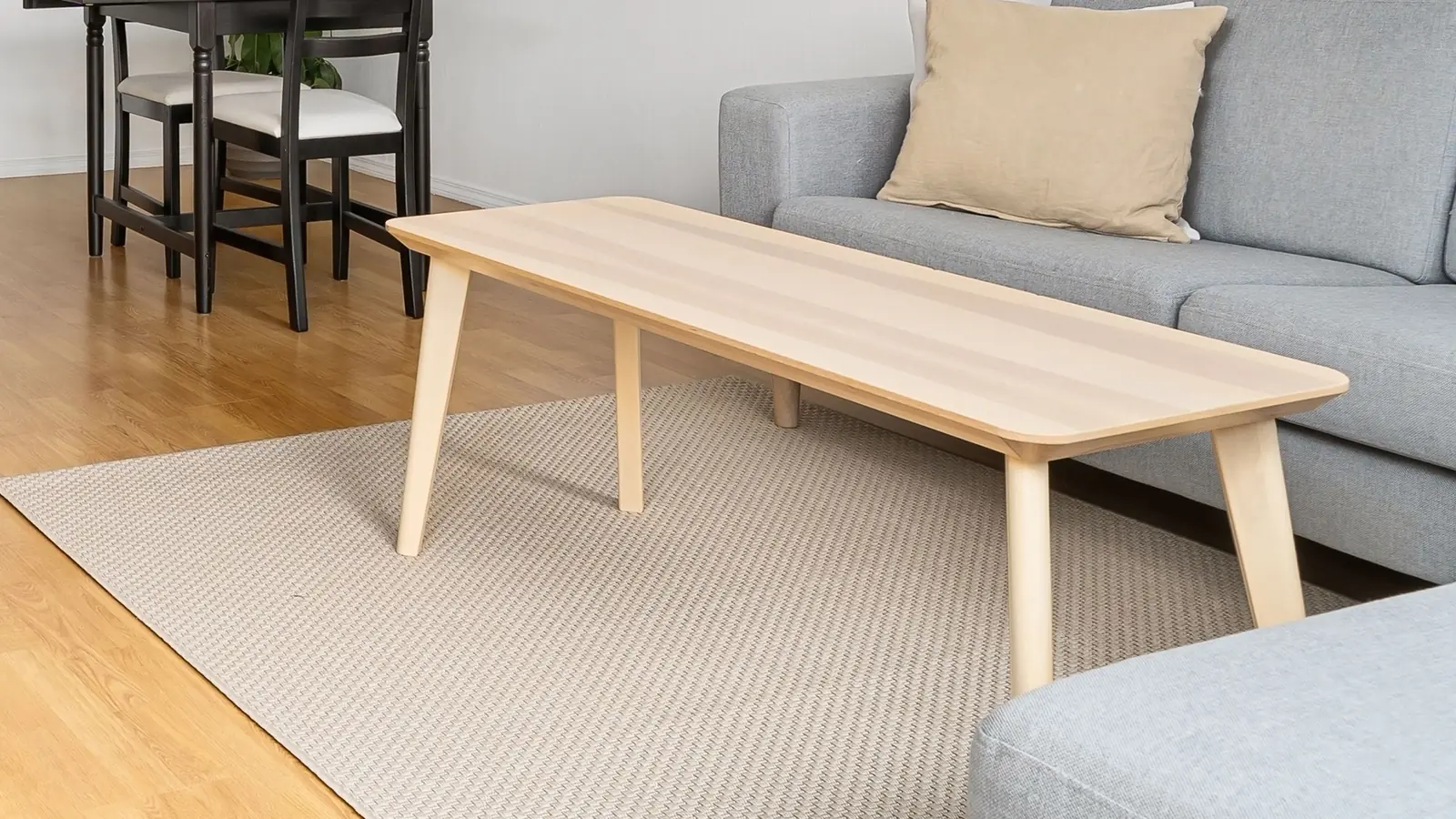
Hold a leg of your coffee table over a bare patch of floor. Do both lean toward red and orange, or toward yellow-gray and green? That one answer, the undertone, does more to make mixed woods look deliberate than matching species ever will. Warm woods carry red, orange and yellow; cool woods lean gray, green or blue. Keep to one family and you can put pale ash beside deep walnut. Cross families without a bridge and even a small table starts to look like it came from a different house.
Designers quoted by AOL’s roundup of wood-pairing advice add a useful exception: walnut gets along with both warm and cool woods, so it is a safe guest when you cannot name your undertones. A designer in the same piece would keep minimalist rooms all warm or all cool but is happy to mix both in an eclectic one.
Start with the floor and what stays
The floor is usually the dominant wood because it is permanent, so begin there and list what else is fixed: doors, beams, built-ins, a sideboard you inherited. Then look at the furnished room rather than the bare one. A rug and sofa can cover most of a floor, while a single dark cabinet on a plain wall can be the first thing you see from the doorway.
Sotheby’s guide to mixing woods suggests starting with two or three finishes and repeating them. Repetition is the trick that makes it work: a wood that appears once looks like an accident, and the same wood appearing again in a picture frame, a tray or a stool looks planned. Designers call it rhythm; we would call it giving every finish a partner on the other side of the room.
Contrast: the near-match is the problem
We find two woods a shade apart the weakest combination, because they read as a failed attempt to match. Decide instead whether the two are meant to blend or to contrast, and push whichever way you chose.
A dark floor with a dark table is the usual trap. The designer quoted by AOL warns that dark wood furniture on a dark floor “will get lost.” The fix is contrast in lightness: a pale oak or ash table on a dark floor, a rug lighter than both, and the table’s legs have somewhere to stand out. Sotheby’s makes the mirror point: in a room of mostly light woods, one dark piece becomes the focal point.
Start with an oak living room floor with a golden cast. A walnut coffee table with a similar warm undertone but a much deeper tone sits on a cream wool rug, and a pair of pale ash side chairs stand at the far wall. Three woods, one undertone, and the walnut repeats in a frame on the shelf. Everything reads as a layered collection, because the lightest piece and the darkest piece are far enough apart that nobody takes them for an error.
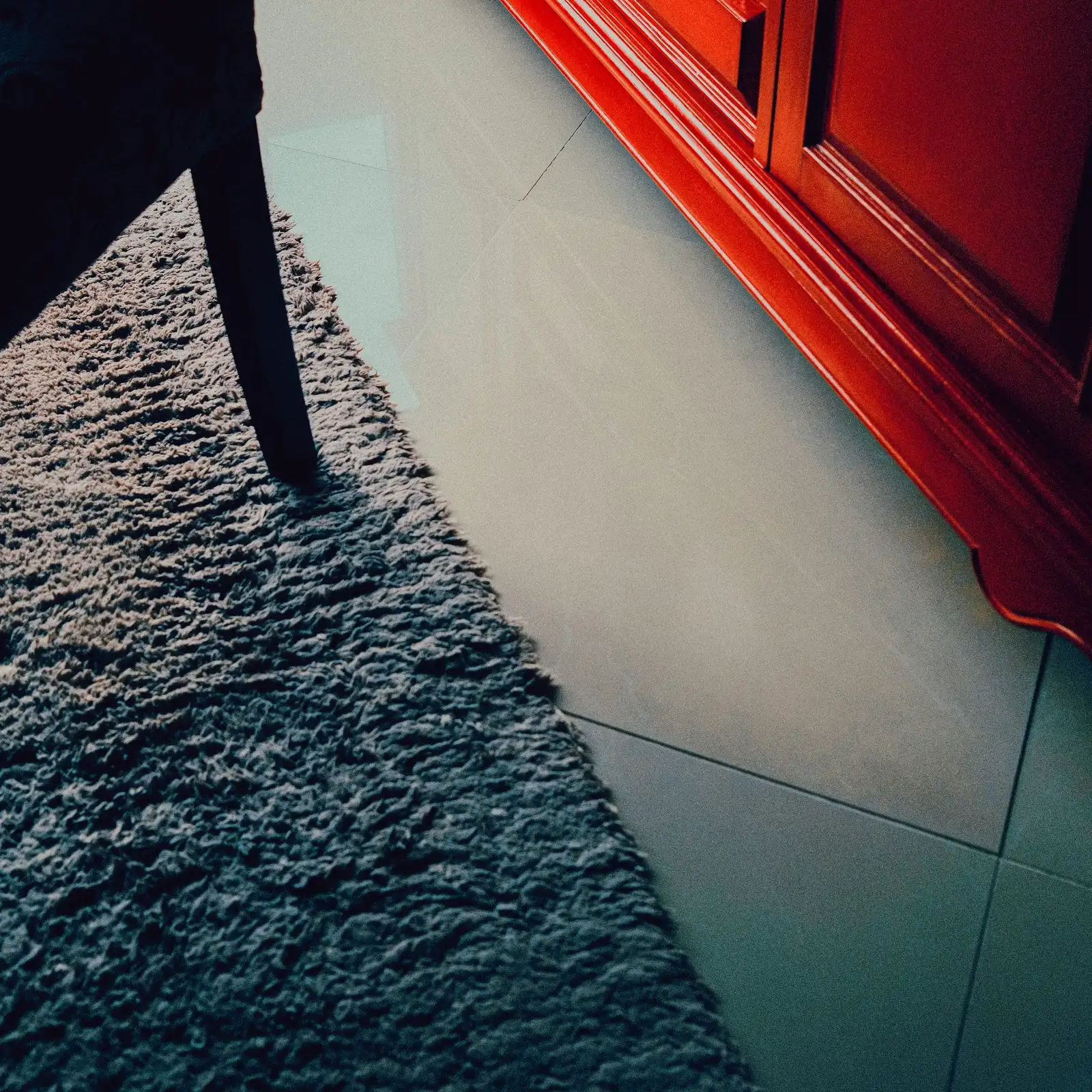
Now flip it: a pale, whitewashed floor with one dark inherited cabinet. Keep the sofa and rug quiet so the cabinet gets the stage, and bring its tone back in something small, like a lamp base or a frame, so it does not stand alone. Check it from the neighboring doorway as well as head-on; a cabinet that looks balanced straight on can feel marooned from across the hall.
Bridges that make mixed woods hang together
Several surfaces do the connecting for you.
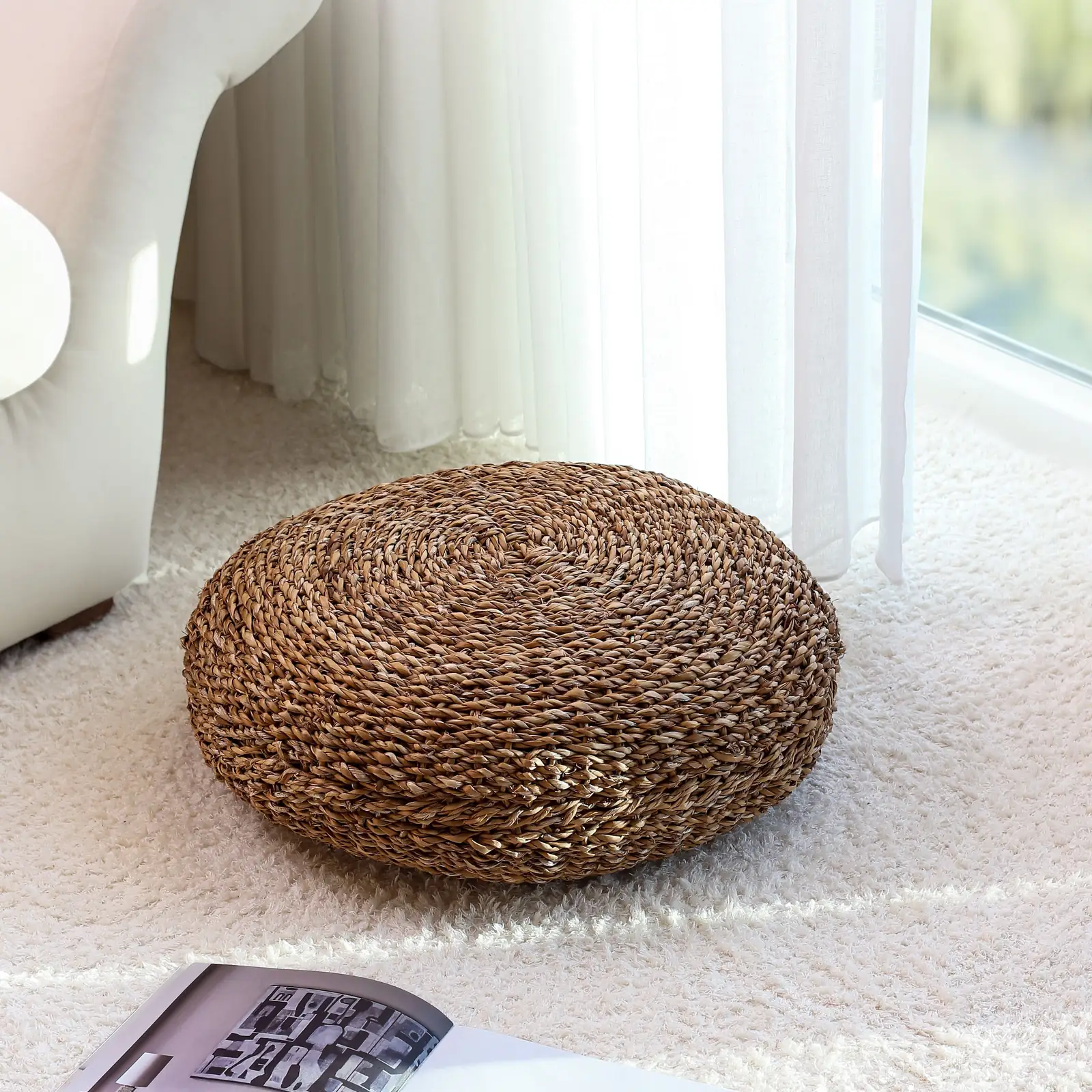
- A rug. Sotheby’s says a rug visually connects furniture legs in different woods. The AOL piece notes a cool-toned rug under warm wood furniture can bridge different undertones.
- White and metal. Sotheby’s recommends touches of white, in paint, curtains, throws or pillows, to break up a heavy brown look, and metal, glass or acrylic to dilute the wood mix.
- Grain and gloss. Sotheby’s says dark and light woods can mix with varying finishes and grain sizes as long as the undertones match. The AOL designer avoids highly varnished finishes, which can lose the wood’s natural warmth. Put a strongly figured grain beside plain furniture so one piece leads instead of several competing.
Room & Board’s wood-mixing guide offers three principles as well: share undertones, repeat woods, and use a multicolored wood to connect different tones.
A way to test before buying
Carry a sample or a drawer front to the spot where the piece will stand, flat on the floor or against the real wall, and look at it in daylight and under the lamps you use at night. Judge it with the rug and sofa in view, not on bare boards, where a sample can exaggerate a relationship that will barely show once the room is furnished. Try moving a side table or swapping a rug before replacing anything, and keep a mismatched piece you like. Sanding or restaining is a bigger step that needs advice specific to that finish.
For more room-by-room ideas, browse the decor collection.
Where to place each wood
Put like tones at opposite ends of the room, as Sotheby’s advises, so the room does not tilt toward one side. If a matched pair, such as two armchairs, looks stiff, split them. Our rule of thumb for a first attempt: one dominant wood, one clear contrast, and a third at most, each appearing at least twice.