Ceiling Lights: Choose the Fixture, Light Direction and Controls
A glowing shade, a spotlight bar and a pendant can share one ceiling box and light the room completely differently. Decide what the light must do, then the fixture and controls.
By DecoraMintPublished 7-minute readMore in Lighting
In this guide
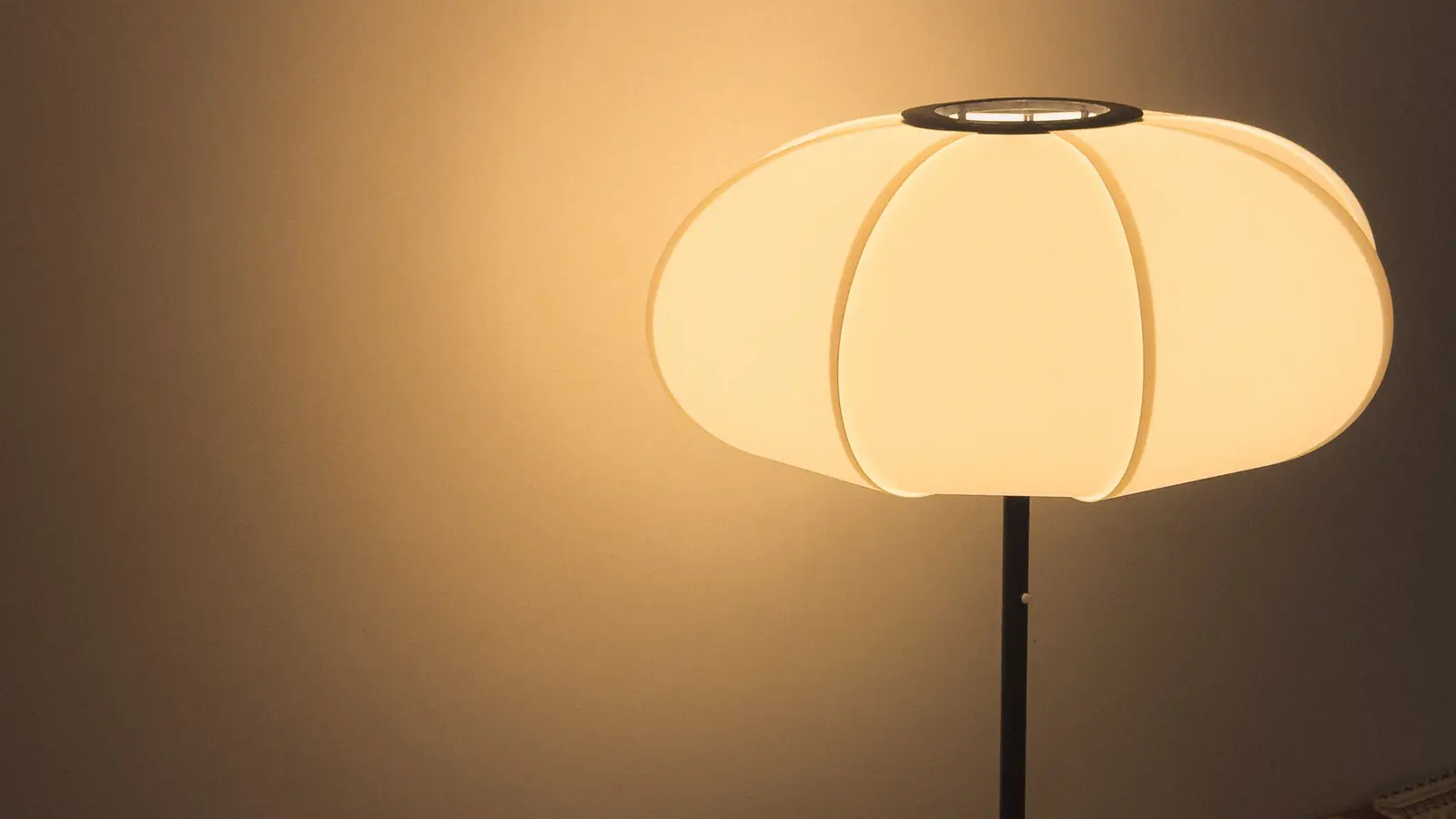
A frosted dome, a bar of three spotlights and a linen drum pendant can all hang from the same ceiling box, and they will give you three different rooms. The dome washes everything in even, shadowless light. The spots throw bright pools onto whatever you aim them at and leave the rest dimmer. The drum glows softly through its sides and sends a warm circle down onto the table below. Decide which of those effects the room needs, then choose the fixture, and leave the finish for last.
The lighting collection covers the lamps and fixtures that fill in around a ceiling light. This guide compares fixture types and published product details; it does not report measured lighting tests.
What the ceiling light has to do
Think through an evening in the room. A bedroom needs enough general light to dress by, something for reading in bed and something gentler for winding down. A dining area needs light focused on the table, even if the table sits off-center. A home office needs even light without a hot spot reflected in the screen.
One ceiling point rarely does all of that well, and it does not have to. ENERGY STAR’s LED renovation guide describes traditional ceiling fixtures as general light from a central location, to be complemented by task lighting where you work. That is the idea of layering: the ceiling light sets the base, lamps handle reading and close work, and a small accent light or two adds warmth and depth. If bedside lamps already cover reading, the ceiling fixture can concentrate on general light. If a room has few outlets or surfaces for lamps, plan the ceiling light around that limitation before you buy.
| Fixture type | The effect in the room | What to check |
|---|---|---|
| Diffused flush or semi-flush | Even, soft general light with few shadows | Shade depth, how bright it looks from below, cleaning and bulb access |
| Bar or cluster of adjustable spots | Separate pools of light aimed at chosen surfaces | Whether each head can actually reach its target |
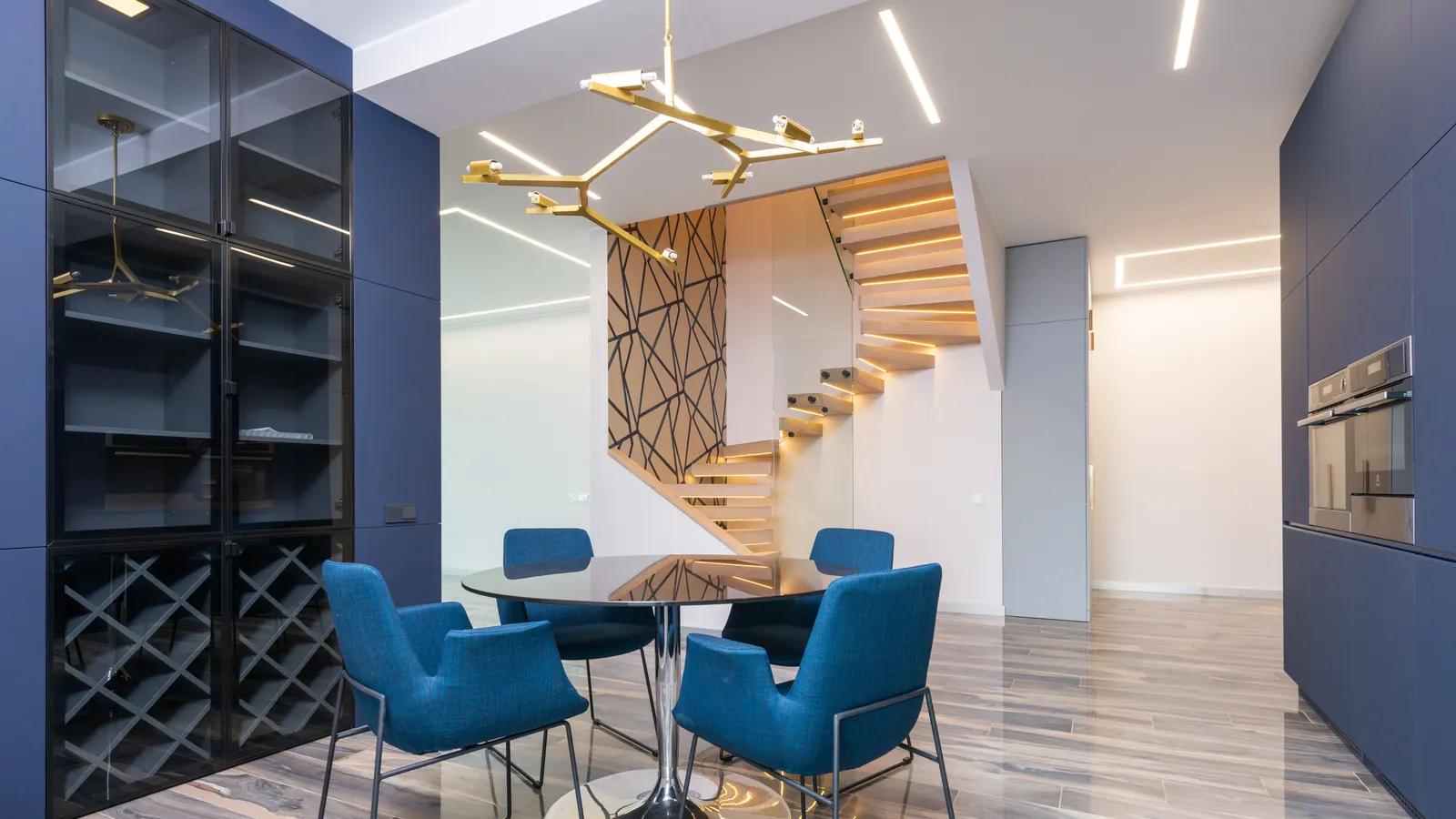
| Pendant or multi-light fixture | A defined glow over a table, island or seating area | Drop length, head clearance, relation to the furniture |
| Recessed or distributed lights | Light spread from several points | A room-specific plan and installation, not a simple fixture swap |
Warmth, glare and where the light goes
Color temperature
The warmth of the light shapes the mood more than the fixture’s style. ENERGY STAR’s guide gives 2700K as soft and warm, the glow of traditional bulbs, and 4100K and up as whiter and crisper for tasks. It also advises choosing the same shade for lights that share a space, so a warm ceiling fixture next to a cool desk lamp does not split the room into two moods. For living rooms and bedrooms, warm white is the usual choice; crisper light earns its place in a workroom.
Glare and the view from the sofa
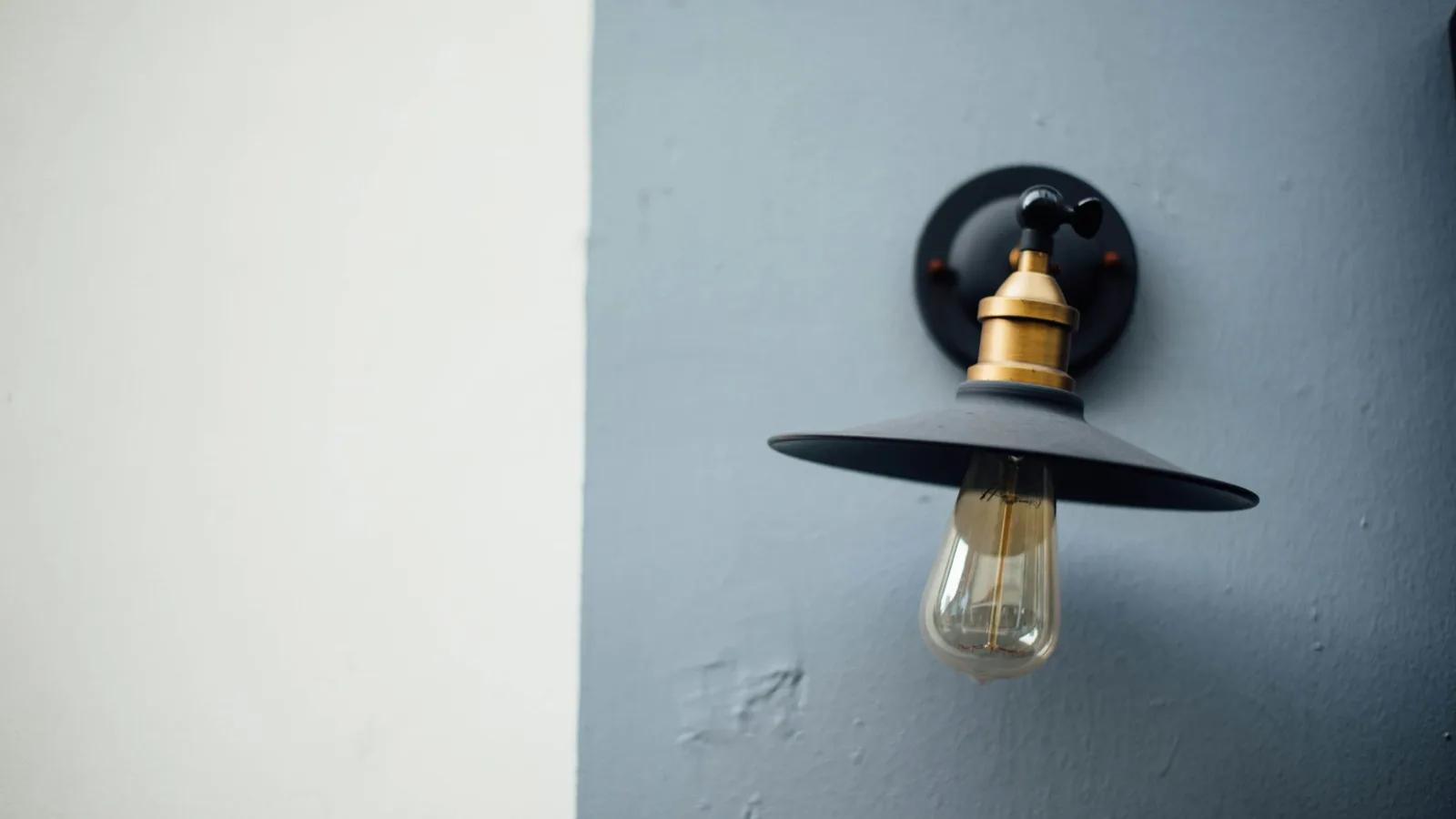
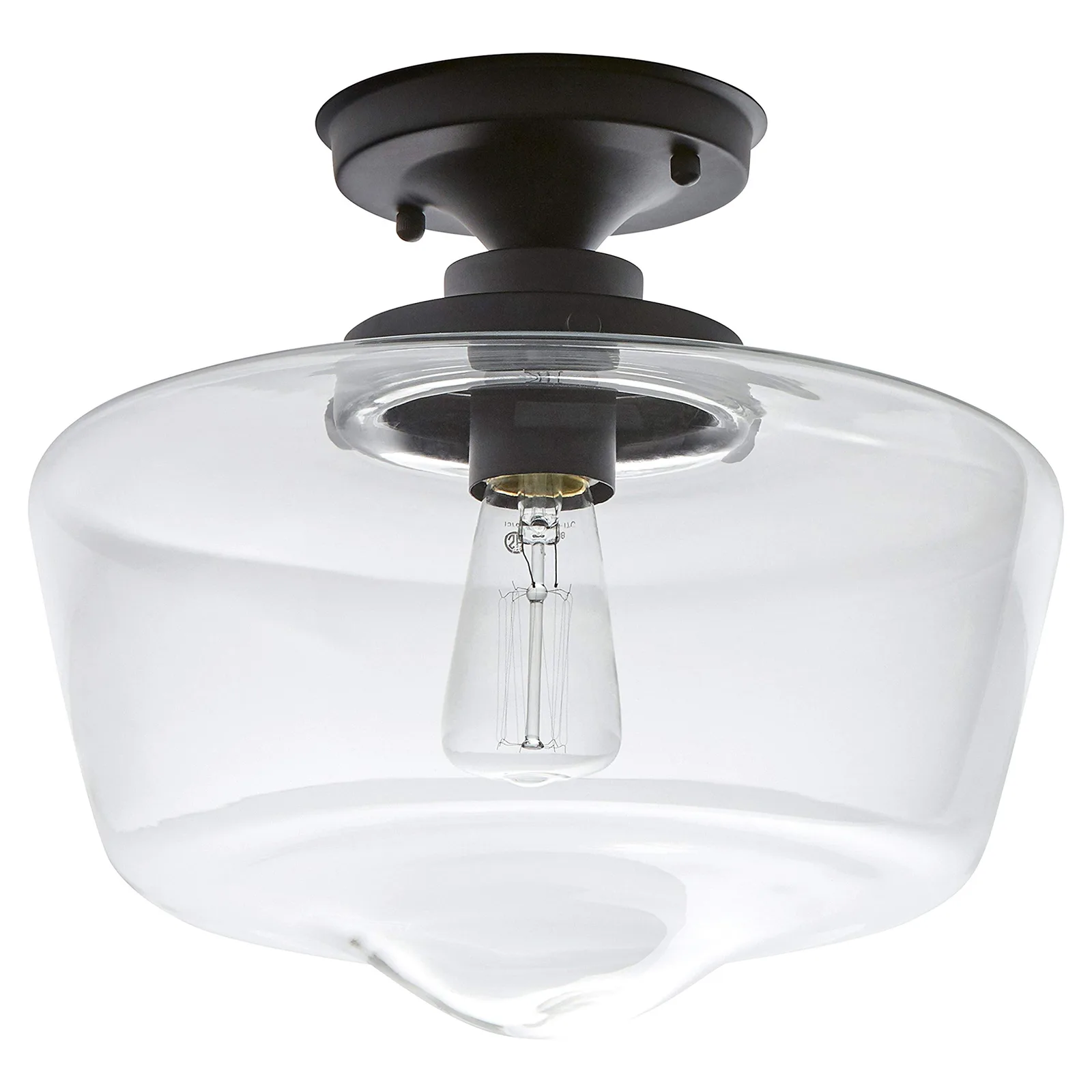
Glare is what makes a well-lit room uncomfortable. Look at each fixture from the bottom, the sides and the top. A closed diffuser hides the bulbs; an open shade or a clear glass globe shows a bright point from some angles, which can sparkle beautifully or stab at your eyes. Then imagine it from the bed, the armchair and the doorway. A bulb invisible when you stand under the shade may be in plain sight from across the room, and an adjustable head can end up pointing into someone’s eyes or bouncing off a TV.
For pendants over a table or counter, ENERGY STAR suggests hanging them above standing eye level to control glare, and not placing them too near cabinets or behind where a person will stand, which throws that person’s shadow onto the surface below.
Aim with purpose
With directional spots, give every head a job before you buy: the art on one wall, the reading chair, the front of the wardrobe. If you cannot name a useful target for each one, more heads just add clutter. More heads do not mean more coverage; beam spread, aiming range and the surfaces they hit matter more.
Integrated LED or replaceable bulbs
Two fixtures with similar adjustable heads can be very different to live with.
IKEA’s BÄVE five-spot ceiling track has integrated LEDs and adjustable spots. Its US listing gives 1,500 lumens, 2700K and a nondimmable light source, and specifies hardwired installation. The HEKTAR three-spot ceiling track instead takes three separately purchased GU10 bulbs with individually adjustable heads, and is also hardwired. With HEKTAR, choosing the bulbs, and therefore the warmth and brightness, is part of the purchase; with BÄVE those are fixed. Check current price and availability on the listing itself.
An integrated fixture is sleek and saves you choosing bulbs, but find out what happens if the LEDs or driver fail and which parts the maker supplies. A replaceable-bulb fixture lets you change the warmth later; keep the fixture’s specified base, bulb type and maximum rating with your records. A bulb can screw in perfectly and still exceed the fixture’s rating.
Dimming and controls
Dimming is the easiest way to give one ceiling light several moods, from bright cleanup light to a low evening glow, but it only works when every part agrees. A wall dimmer cannot dim a nondimmable fixture like BÄVE. With LEDs, ENERGY STAR advises installing dimmer switches that are compatible with LED lights, and notes that certified bulbs and fixtures show dimming compatibility on the package. A smart label on one component guarantees nothing about the rest of the chain, so give the installer the model of the existing switch, and ask how the light behaves after a power cut and whether the wall switch still works normally.
Measure the fixture in the room
Note the ceiling height and the lowest point of the fixture, including canopy, stems, shade and any suspension. Width alone tells you little for a pendant or a deep semi-flush shade. Trace the diameter on paper at floor level to see the footprint, and walk the usual routes past doors and tall furniture. Do not hang a heavy mock-up or rig a temporary electrical connection to test the look.
Over a table, start from the table, not the ceiling box. If the two are off-center, talk to the installer about options before buying; a styled photo of an offset pendant does not prove the arrangement suits your ceiling. Sloped ceilings need a fixture whose canopy is explicitly approved for a slope; an adjustable cord alone does not make it so.
Bedroom, workroom and open-plan dining
A bedroom with reading lamps already in place. Let the ceiling light handle general light and keep it soft: a diffused flush mount or a fabric drum in warm white, ideally dimmable. Judge how bright it looks from the pillow, not from the doorway.
A multipurpose room with one ceiling connection. Map the furniture first. A desk on one wall and shelves on another can justify a multi-head fixture, but only if each head can reach its target within its adjustment range as mounted.
A dining area open to the living room. Decide whether the light should mark out the table as its own warm zone or stay a quiet general source. Check the view from the sofa as well as from a dining chair: a pendant that looks perfect over the table can show a glaring bulb to the next seating area.
Installation and ratings
Most ceiling fixtures are hardwired, so installation belongs with a qualified electrician who can confirm the box will support the fixture’s weight, the wiring and the control are compatible, and any local requirements are met. Give them the exact model, its instructions, the ceiling type, the switch details and where the furniture will be. Follow the product instructions, not a generic online sequence.
Location ratings matter. Under the National Electrical Code, a fixture over a tub or shower, up to 8 feet above the rim or threshold, must be marked for damp locations, or for wet locations if shower spray can reach it. Pendants, chain-hung fixtures and track lights must stay out of the zone within 3 feet horizontally and 8 feet vertically of the tub rim or shower threshold. Outdoor fixtures need ratings for exterior use. Look for the marking on the fixture or its packaging, and let the electrician confirm what local code requires.
Afterward, photograph the fixture label while it is still easy to reach. Next time you need a bulb or a part, you will not be guessing from the shape of the shade.