How to Wash Pillows Without Damaging the Filling
The cover, the fill and a solid foam core can each have their own care rules, even in one pillow. Read every label before adding water, and dry the inside, not just the outside.
By DecoraMintPublished 4-minute readMore in Pillows
In this guide
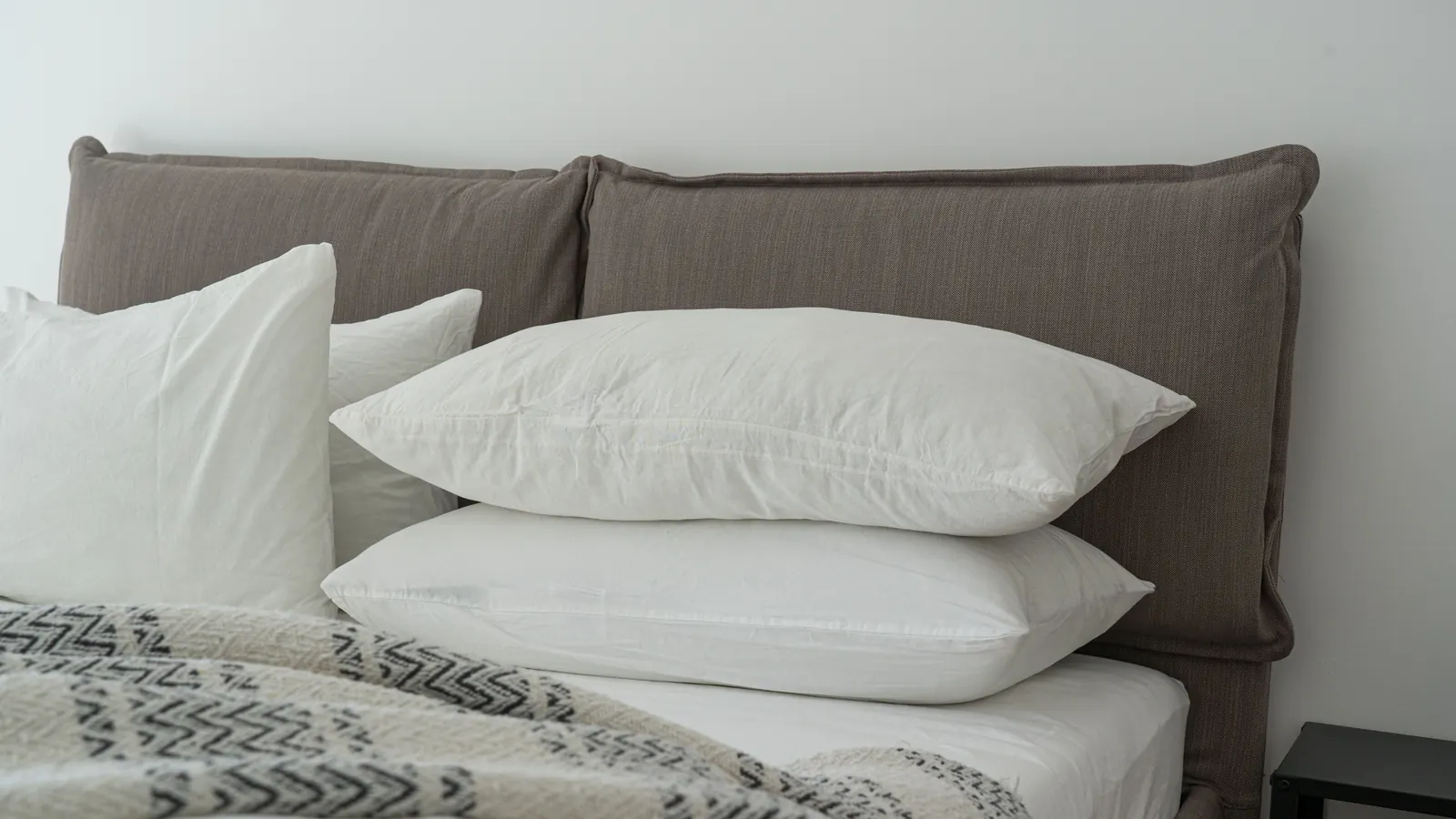
Two pillows can sit side by side on a bed, same size, same white case, and need opposite treatment: one goes through a delicate cycle and several rounds in the dryer, the other cannot be wetted at all. The fill decides, so slide the case off and find the tags.
Read the tags first
A pillow can carry one label on its outer cover and another on the insert, and the insert’s label governs washing. On each, read five things: whether washing is allowed, the water temperature, the cycle, whether a dryer is allowed, and any limit on detergent or bleach. A dry-clean-only tag is not permission to try a delicate cycle, and a crossed-out wash symbol holds even when a generic guide calls that fill washable. A washable cover leaves the insert’s rules untouched. Photograph the tags so you can look at them mid-laundry, and note the model name. Pacific Coast’s laundry guidance also puts the care label first. If the tag is gone, go by what the pillow is made of and lean gentle.
Then sort by fill
Down and feather. Zizzz, a pillow maker, calls for a delicate cycle, lukewarm or cold water, a small amount of mild detergent, no fabric softener or harsh bleach, and a machine that is not overloaded. It says to press excess water out without twisting, then dry on low heat with clean tennis balls, checking now and then and punching the pillow to spread the down until it is fully dry. The center of a down pillow dries last, and a musty smell afterward suggests damp inside, so expect more than one dryer cycle. Pacific Coast’s care FAQ likewise stresses drying the pillow completely.
Polyester and other fiberfill. Follow the tag for the cycle. Where machine washing is allowed, a gentle cycle, mild detergent and low heat or air drying is the cautious setting, with dryer balls to break up clumps if the dryer is permitted. Keep the heat low even when you are impatient, since high heat is a poor shortcut for any fill.
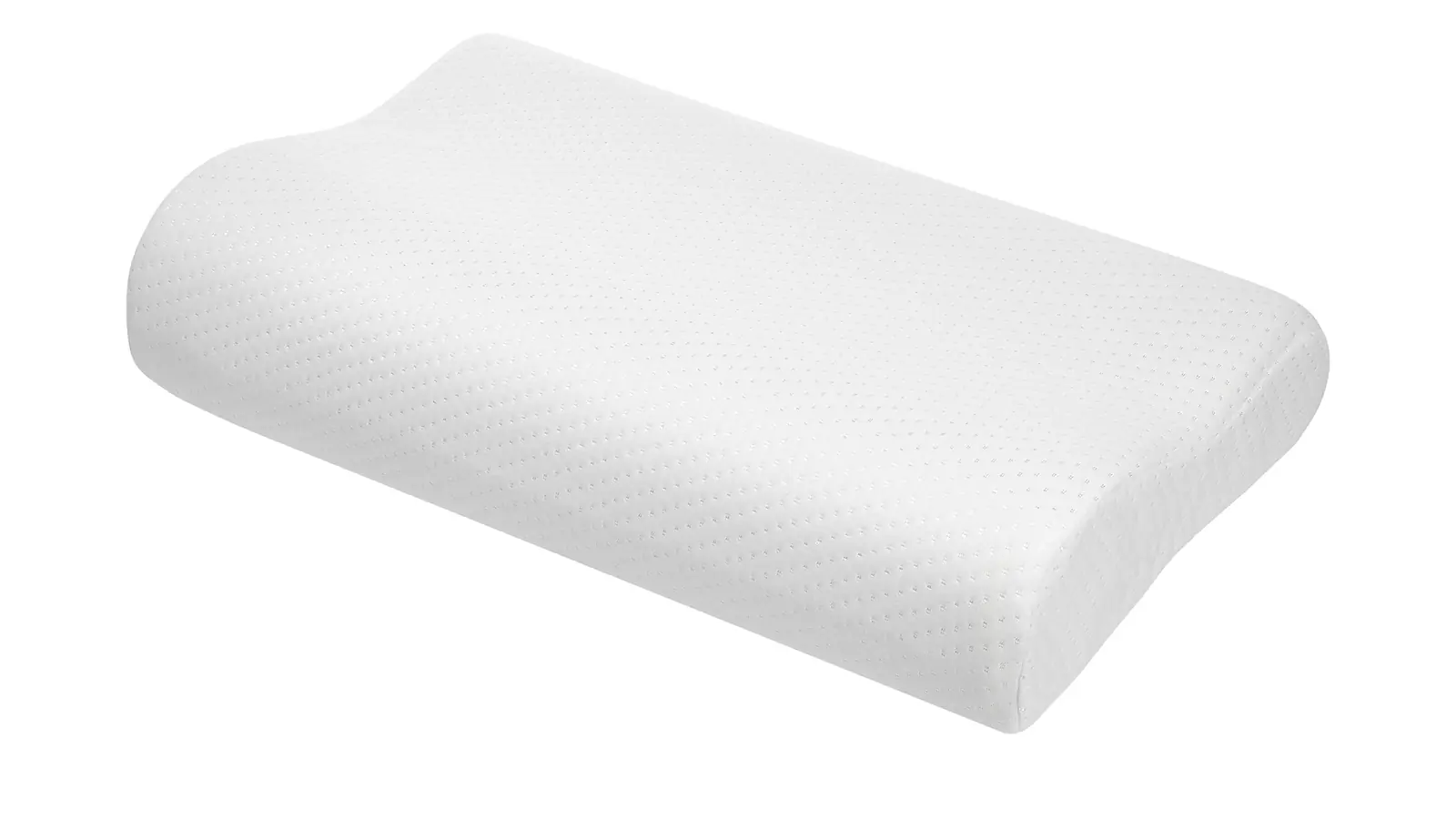
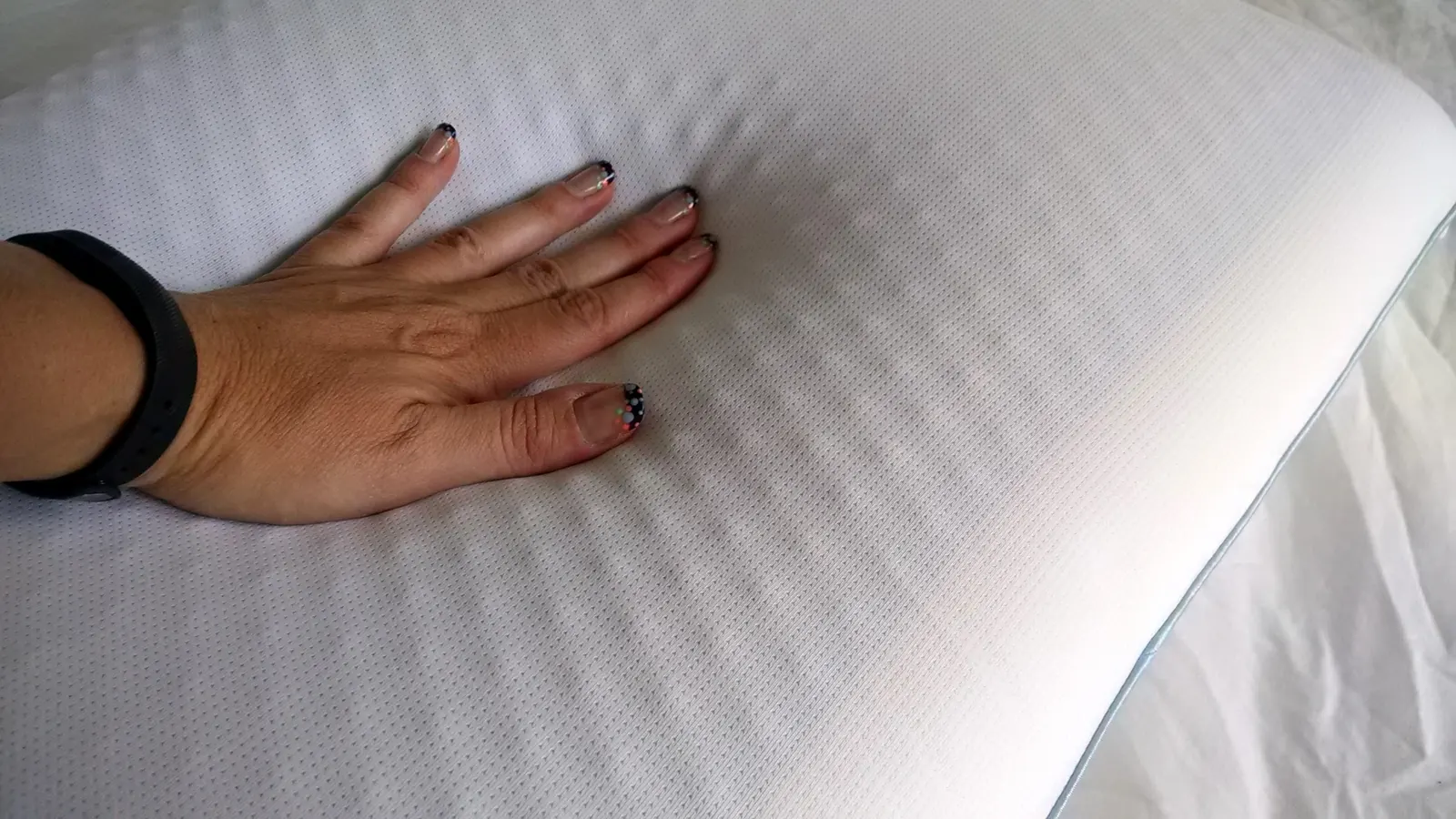
Solid and shredded memory foam. Soaking is the risk, and some makers rule it out. Tempur-Pedic states that its TEMPUR pillow material is not washable, though a removable cover may have its own washing instructions. Wash the cover and leave the core alone unless your maker describes a wet method. Hand washing is no safe substitute where machine washing is forbidden, because the ban may be on soaking itself, and a core not marked dryer safe stays out of the dryer, even on an air-only setting. If a spill has soaked deep into a no-wash core, ask the maker whether it can be saved; a fresh pillowcase or a towel will not dry the inside. If an adjustable pillow holds loose fill, wash only the cover, never put loose fill in the washer, and keep any fill you remove in a closed container away from children and pets.
Decorative pillows. Look for a zipper. A cover that comes off is washed on its own label, and piping, prints, trims and beading often cannot take a machine. Treat them separately from the insert, and leave sleeping-pillow methods out of it.
Washing a machine-safe pillow
- Inspect. An open seam, a failing zipper or a brittle shell becomes a drum full of fill, and a damaged insert may be better replaced than repaired unless the maker allows repair.
- Balance the load. Wash two pillows together, or add towels. Whirlpool’s top-load guidance stresses balanced loads and avoiding overload, and one pillow alone can make a drum lurch. If the label calls for a front loader or a commercial machine, use one, and never force a pillow into the drum. When the washer stops on an unbalanced-load warning, rearrange the load as the manual says before restarting.
- Measure the detergent. Extra will not cure yellowing and leaves soap behind, so run another rinse if suds remain.
- Press, never twist. Squeezing a saturated pillow smaller can damage it, unless its care guidance allows that handling.
- Dry and repeat. Use the heat the tag allows, with dryer balls only if the pillow and dryer manual permit them, and feel the thick corners and center between cycles. The pillow is dry when no part feels cool or heavy.
No fixed drying time fits every pillow, because fill, size and retained water all differ, so go by touch and the maker’s guidance. A damp pillow stays out of its case and any storage bag, however fluffy the outside looks. If it feels damp or smells off after repeated permitted cycles, stop and ask the maker, and keep the job off high heat. Start early in the day with a spare pillow on hand.
Stains, and when to stop
Treat a stain with only what the cover’s label allows, trying it on a hidden patch first. Printed covers, piping and waterproof protectors can carry stricter limits than a plain cotton case. Never mix bleach with other cleaners or layer stain removers, and leave a whitening recipe meant for a pillowcase away from foam, feathers, seams and zippers. A clean case and a washable protector reduce how often the insert needs treatment, though a spill still means looking underneath. Faint discoloration after a correct wash is cosmetic, and harder scrubbing rarely helps.
A pillow that has been washed and dried well should plump when shaken and sit in an even, rounded shape against the headboard. One that stays lumpy after careful drying, leaks fill at thinning seams, has a broken core or will not dry through is ready to go, and no single replacement interval suits every fill. The pillow category is a place to start, and a washable cover will make the next one easier to keep fresh.