Living Room Ideas: Four Refreshes Built Around Your Existing Sofa
Refresh a living room with worked ideas for traditional seating, patterned rugs, stronger color and mixed furniture, plus a practical order for purchases.
By DecoraMintPublished 6-minute readMore in Living Room
In this guide
We may earn a commission from links on this page, at no extra cost to you. Affiliate disclosure
A rolled-arm sofa, an inherited cabinet and a rug in five colors can make a better living room than a showroom set, once everything else in the room agrees with them. The four refreshes below each start from something you already own and name one visual problem to solve. They are options to borrow from, and the order of purchases at the end keeps you from buying the fix before you have found the problem.
Name the problem first
Look at the room from the doorway and then from the seat you use most; the two views often disagree. The doorway may show crowded furniture, while the seat shows a blank wall, a console full of cables or a lamp glaring toward the television. “The patterned chairs and the patterned rug are competing” is a problem you can solve. “It needs more stuff” leads to purchases that make the competition worse.
Then list what stays: seating that fits the household, storage in daily use and a clear path through the room. If the layout itself blocks movement, fix that before choosing paint or a coffee table display.
A traditional sofa with room to breathe
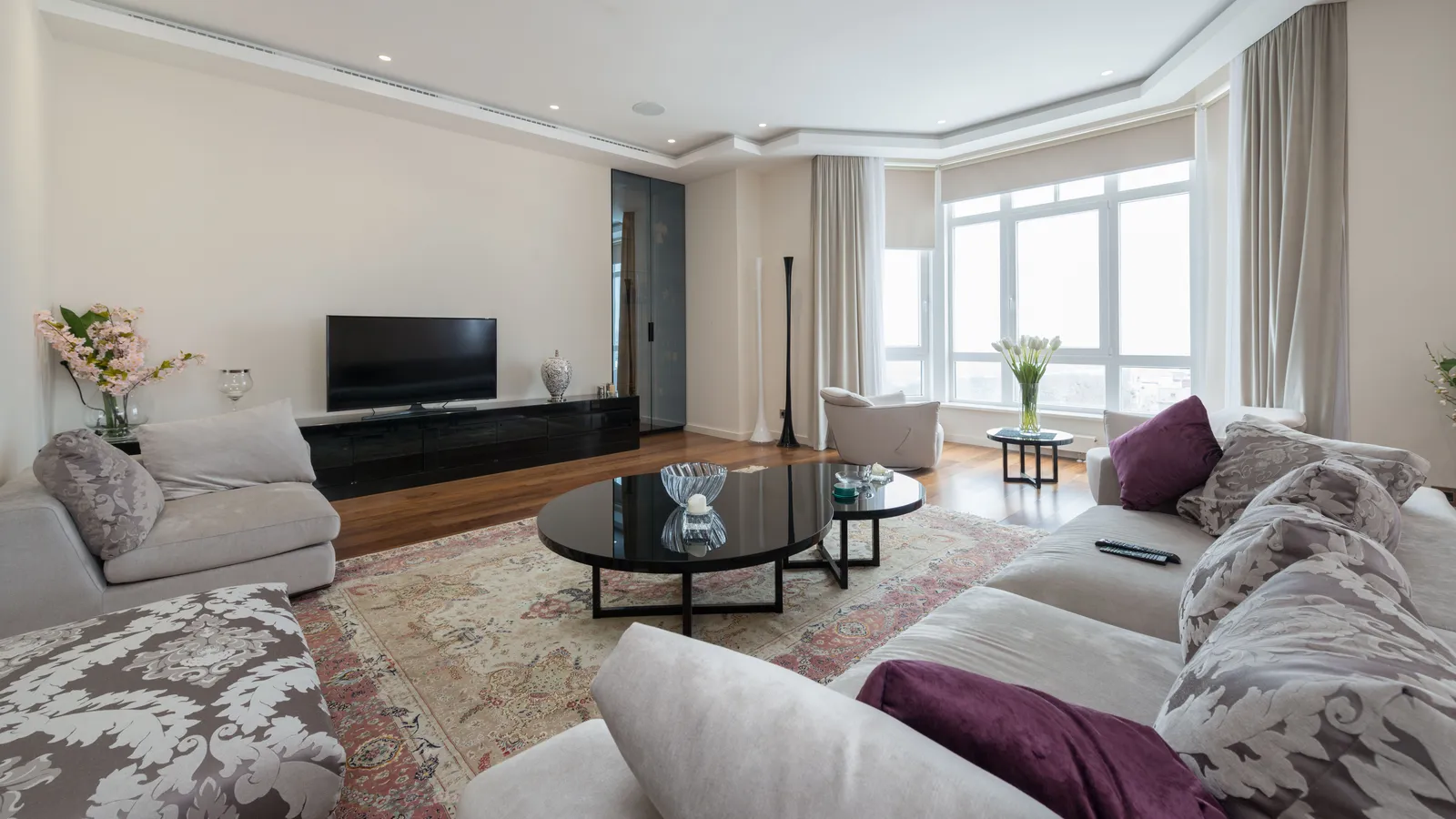
Say the starting point is a rolled-arm sofa in a heavy fabric, a carved wood cabinet and a cluster of small tables, all with plenty of detail. The furniture is fine; the problem is that every piece is talking at once. Bring in one plain neighbor: a coffee table with a clean outline, or a lamp with a smooth drum shade in warm white. That gives the ornate pieces an easier place to stand without making the room look modern.
Edit the cushions before thinking about reupholstery. If the sofa fabric already has a pattern, try solid cushions in one color the room already has, or a simple stripe, and leave enough of the sofa visible to show the arms and back you chose to keep. On the cabinet, show a few things that mean something, grouped with space around them, and rotate the rest out of sight so its outline reads again. At the window, if the room is already busy, begin with a solid panel in a single tone, since an elaborate sofa, ornate cabinet and strongly patterned curtain can coexist but should be a decision.
With a rust-red sofa in heavy chenille, a dark carved cabinet and a pair of brass lamps, we would pull the lamp shades to warm white, set a glass-topped coffee table with a thin steel frame in front of the sofa and keep two cushions in cream linen, so the heavy pieces stand against open space and soft texture.
Spend first on the one missing functional item or the one simpler piece. Postpone replacing a whole suite because its style name sounds dated.
A patterned rug leading the seating group
A rug with navy, rust, sand and a touch of green, under a solid-colored sofa, is a strong place to start, provided the cushions, curtains and wall art were not chosen independently. Pull two colors from it instead of all five. Use one for a larger supporting surface, like the curtains or an armchair, and the other for a small accent such as a cushion or a throw. An exact match matters less than how the pieces look together in the room.
Vary the scale of pattern. A large rug motif next to a fine stripe is easier to read than two similar, equally busy prints. If you like several strong patterns, tie them with a narrow palette and leave solid surfaces between them. For a textured rather than pictorial option, the Ridgewood Blue is a reversible braided rug in navy, denim and slate tones that the retailer lists as 100% polypropylene, and it shows how much interest a braid can supply on its own. We have not seen it in a room; it stands here as an example of the style.
Tape out the rug at its true size around the seating before buying. A small, beautiful rug leaves furniture legs hanging off its edge, so get the footprint right before the pattern.
Giving a neutral room color on one big surface
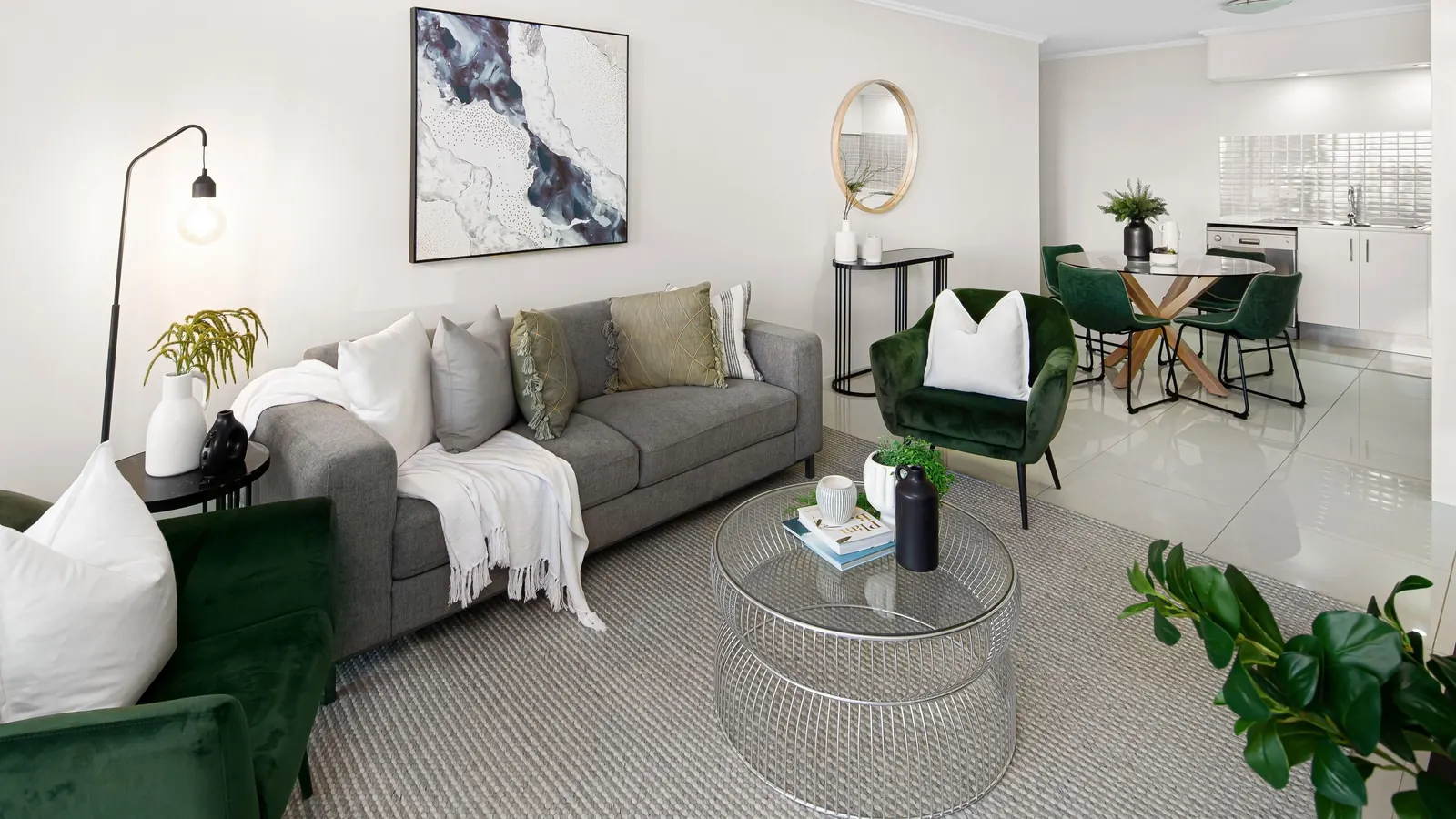
Neutral sofa, neutral rug and pale walls often collect small bright accessories that never add up to anything. Give the color a surface large enough to carry it: a wall, a pair of full-length curtains or one armchair. Each does something different. A colored wall changes the background behind everything; a curtain changes the window open and closed; an upholstered chair adds a new shape as well as a hue.
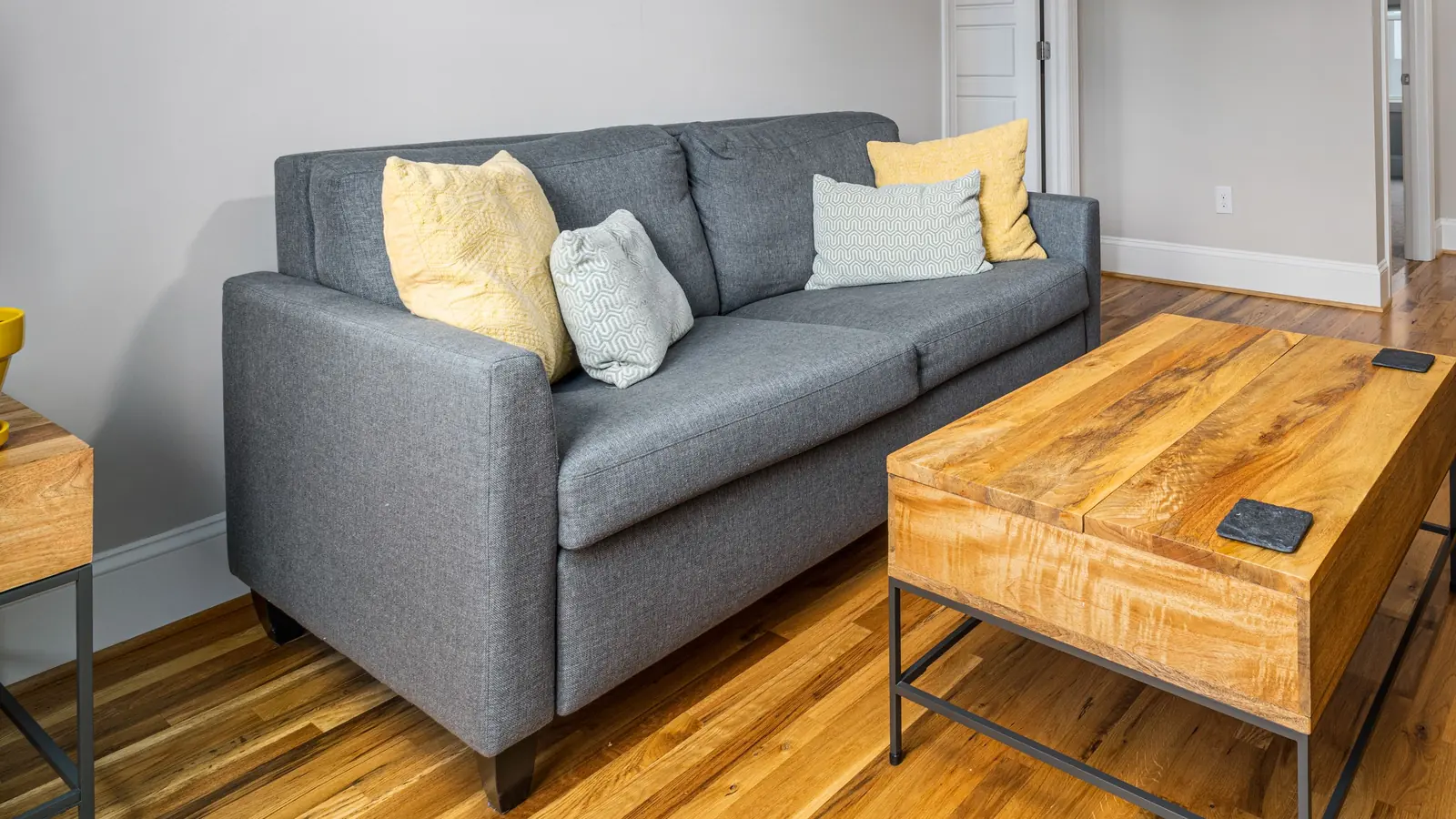
With gray seating and warm wood furniture, one route is a mustard or saffron throw and curtains against pale walls, so the yellow shows against the gray and picks up the wood. Another is a deeper wall color with fewer bright accessories, which gives the sofa’s gray more depth. Pick one route and leave the other.
Try the sample beside the floor, the sofa and the curtains in daylight and again with lamps on, since a digital palette cannot show how paint and fabric will meet in your room. Keep the color visible once the room is furnished: a bold wall mostly hidden behind cabinets does less than a curtain or chair would.
Put the first money into one large color decision and its preparation, and hold off on small accessories until you see which still belong.
Furniture from different places
A new sofa, inherited side tables and a secondhand chair look unrelated until you repeat something. A dark table frame can echo the lamp stem, and a rounded chair back can echo a round tray or a curved shade. The repetition can be subtle, and nothing needs repainting to match.
Balance visual weight as well as color. A solid cabinet on one side of a group wants a substantial counterpart elsewhere, and a light open-frame table can vanish next to a bulky sofa. Move what you own before buying something big to fill a gap. A clearly different chair looks intentional when it has a proper place and shares one color with the room. Several small tables with unrelated jobs mostly obstruct movement, so keep the ones that serve an activity and clear the landing pads for miscellany.
Walls, storage and light
Decide which wall is the feature. A fireplace, window or television may already be one, and a large contrasting display on every remaining wall makes the room harder to read. For a picture grouping, arrange paper templates on the wall before making holes, and use fixings suited to the wall and the weight of each item, because a gallery should not hang from improvised mounting.
Treat storage as part of the composition. Closed storage hides what you need but would rather not display; open shelves turn their contents into design, so mix them according to what you own. Baskets bought before they have a job to do just move the clutter.
Light the activities before the appearance. Know which seat is for reading, which route needs a path of light and which surface takes detailed tasks, then position decorative lamps to serve them. Test with the television on and off, move a portable light if it reflects in the screen, and keep cords out of walking routes. Dimming depends on the lamp, bulb and control together: Lutron’s compatibility FAQ says its Caséta plug-in dimmers work with dimmable LED, CFL, incandescent and halogen bulbs but are not designed for smart bulbs such as Philips Hue. The living room collection has deeper guides to lighting, seating and room planning.
The order to buy in
Keep the working pieces and remove duplicates first. Fix any arrangement that blocks movement. Settle the main color or pattern relationship, then fill the biggest missing surface or function, and add small textiles and decoration last. After each step, look again: a new curtain may make the old cushions work, and a simpler coffee table can make an inherited cabinet look chosen. Stop buying when the room stops bothering you from the seat you use most.
Retailers to browse
Compare colors, sizes, materials and return details on the retailer’s current listings.
- Go to Super Area Rugs
Super Area Rugs
Opens Super Area Rugs’s store (area rugs).