Pillow Protectors: Compare Closures, Layers, Fit and Care
Keeping dirt off a pillow and blocking liquid are different jobs. Pick the purpose, then compare closure, layers and fit, with two real protectors side by side.
By DecoraMintPublished 3-minute readMore in Pillows
In this guide
Do you want to keep dirt off the pillow, or keep liquid out of it? Those are two different jobs, and a pillow protector is sold for each. The first calls for a quilted or plain cover you can toss in the wash. The second needs a stated waterproof layer.
Where a protector sits
Your pillowcase is the surface you see and feel; the protector goes underneath it, closer to the pillow. A decorative sham is a third thing, often chosen for trim and styling and not for frequent washing. Buy for the job you actually have, and read the construction in the listing instead of the product name.
If your reason is allergies, pests or another health matter, look for documentation of that specific claim for that product and talk to the relevant professional. A closure that is convenient to remove is not evidence that nothing passes through it. A good listing names the test behind a “hypoallergenic” or “cooling” label and what it covers.
Two protectors, two builds
IKEA’s ROSENVIAL Queen protector measures 20 by 30 inches. Its listing describes a nylon top fabric, a polyester backing and different fillings on each side, and its care label allows a warm normal wash and low tumble drying. The cooling language on the page is the seller’s own and is not an independent result.
SOTNÄTFJÄRIL Queen protector is also 20 by 30 inches but names an inner waterproof layer. Its instructions allow washing up to 140°F (60°C) and low tumble drying, forbid ironing, and warn against laundering it with items such as zippers or buttons that could damage the barrier. Those directions belong to that model, so read each label.
Same size, different build: one is a quilted layer and the other a barrier, and they ask different things of your laundry. We have not tested either; the details come from IKEA’s listings and may differ by market.
What you feel through the case
A protector adds a layer, and layers add up: protector, pillowcase and sometimes an outer cover the pillow already has. A smooth percale or sateen case over a flat protector keeps the head of the bed tidy and the pillow’s outline clean, while a thick quilted protector under a fitted case can give the pillow a puffier, tighter look. If a cooling feature lives only in one layer, the others may mute it.
If your trouble is height or shape, the pillow is the thing to change, and the pillow collection is the place to start.
Fit
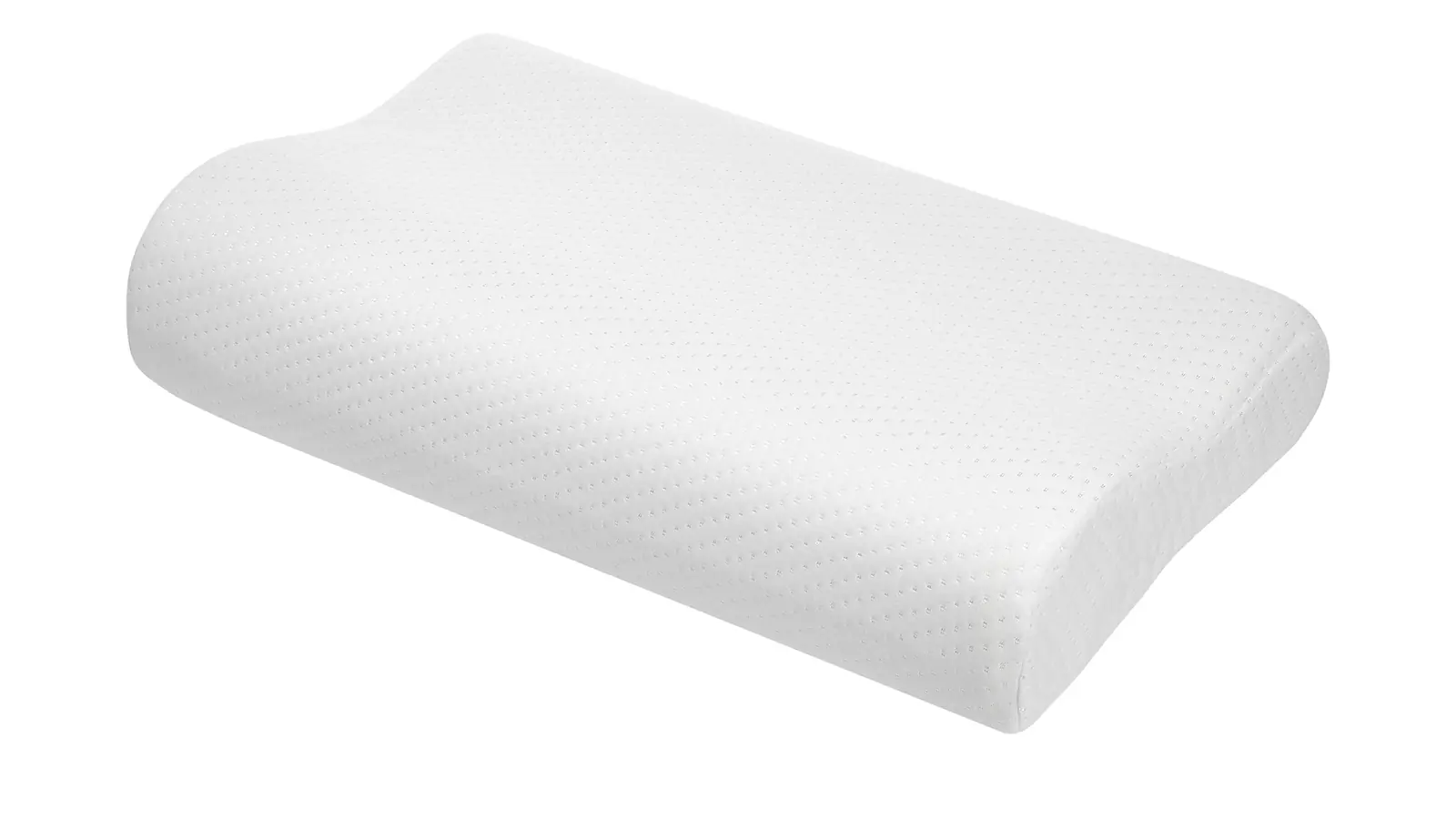
Measure the pillow, not just its size name: a standard rectangle, a deep contour and a long body pillow need different covers. A shaped pillow may have a specific cover from the maker, and an adjustable pillow that is overfilled will strain a tight zipper. Do not force a closure around a shape it was not made for. Include the pillowcase in the fit, because a padded protector can make a fitted case snug.
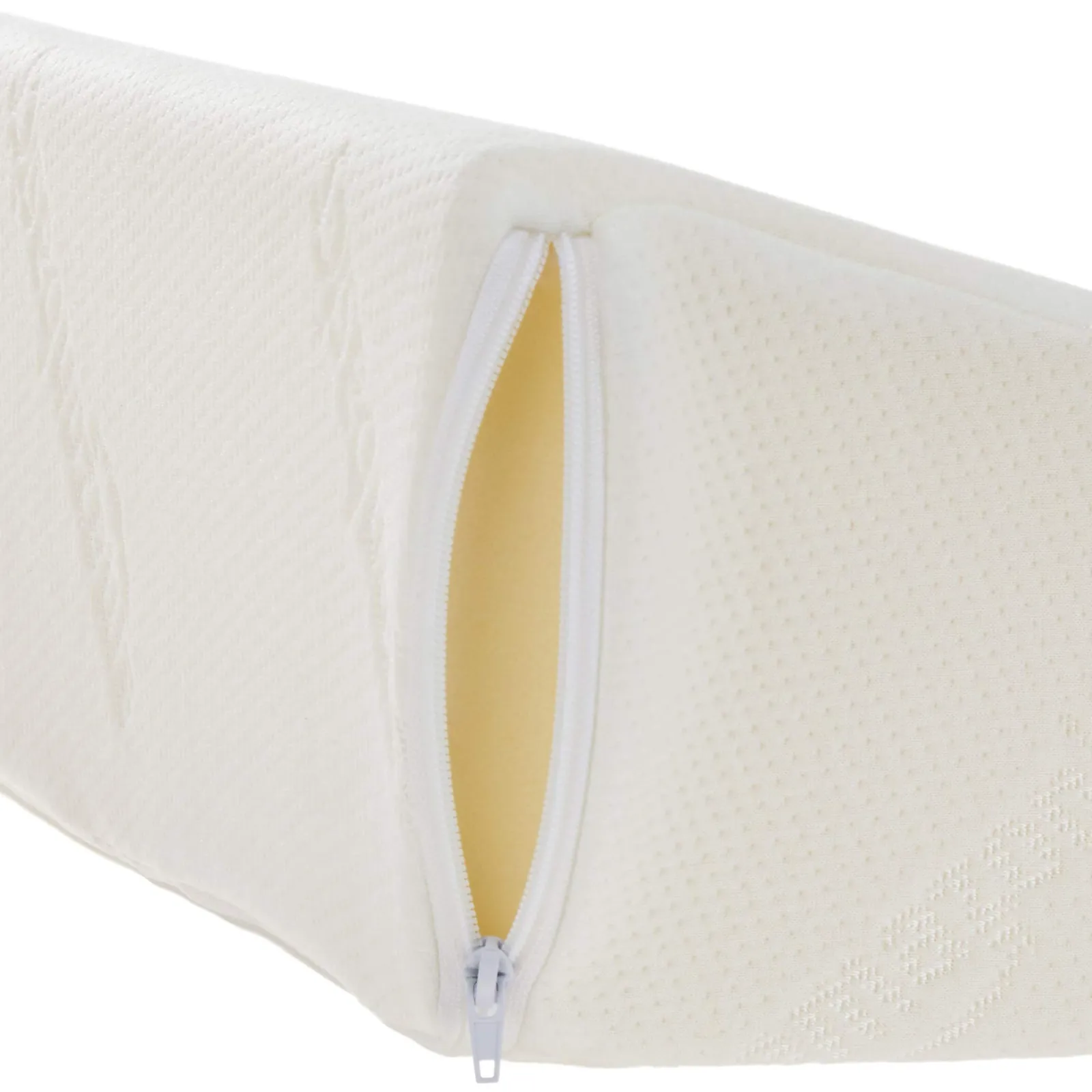
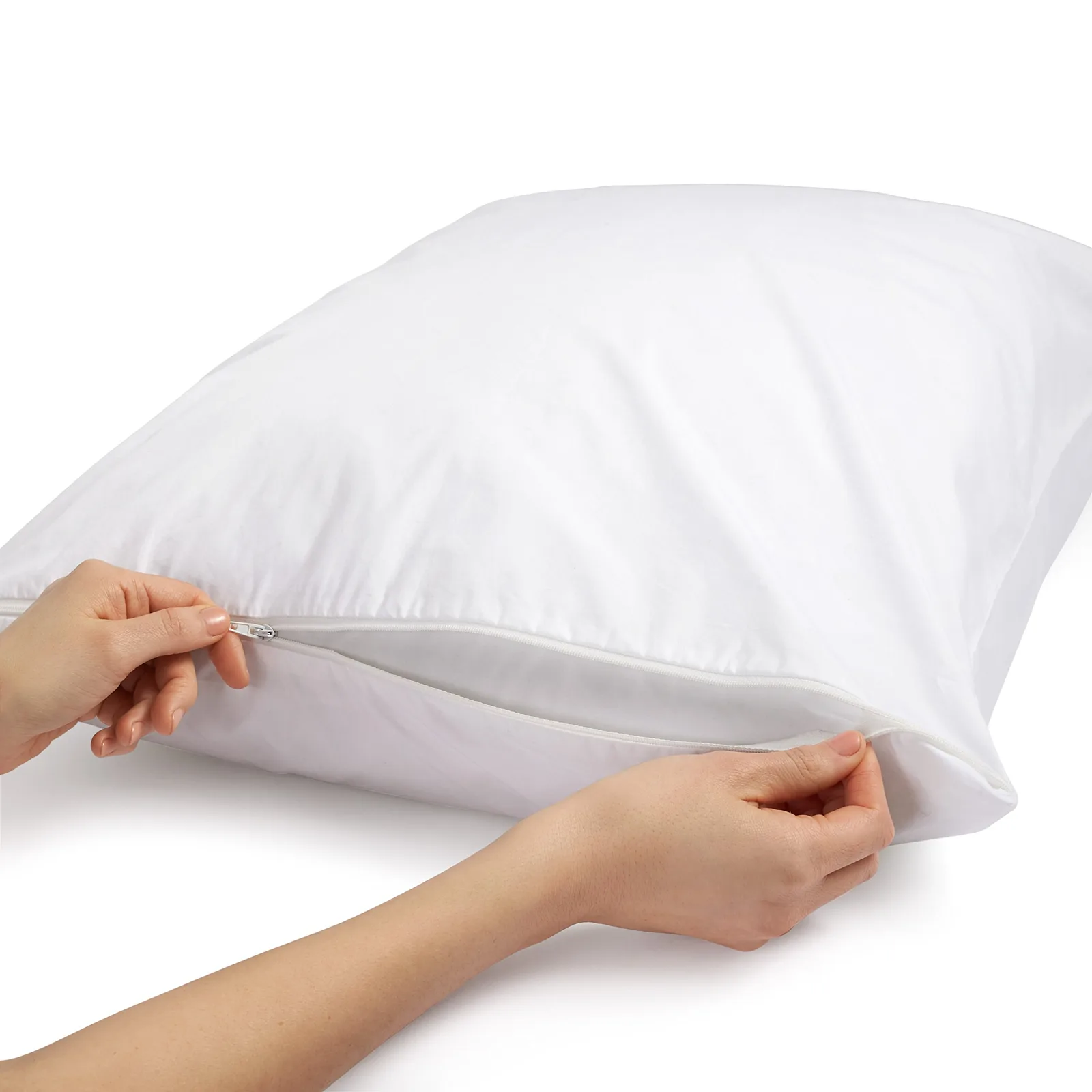
Look at where the zip sits. It should be easy to reach when you take the protector off and should not land where your cheek rests.
On arrival and in the wash
Confirm the item, size and label before you discard the packaging, and tell the seller about a damaged seam or an uneven closure before use. Do not add tape or glue to build a barrier the product does not claim, and avoid improvised water tests that could void a return.
The pillow, the protector and the pillowcase each carry their own label, and the instructions for one apply only to that layer. Keep to the temperature on the label, since a hotter wash or stronger cleaner may break down a barrier. A spare protector lets you wash one while the other is on the pillow.
If a seam or barrier fails later, ask the maker about replacement; a sewing repair may not restore a waterproof layer. Also check whether the price covers one protector or a pair.