How to Choose a Salad Bowl for Tossing, Serving or One Portion
Tossing, serving and a single lunch portion need different bowls, even when the capacity sounds the same. Pick the job, then check depth, material care and storage.
By DecoraMintPublished 6-minute readMore in Tableware
In this guide
We may earn a commission from links on this page, at no extra cost to you. Affiliate disclosure
Dark romaine, shaved fennel and a handful of orange segments look best against a bowl that stays out of their way: a matte cream glaze, a pale grain of wood or clear glass that lets the layers show. But the bowl also has to work. Leaves need headroom to lift and fall, and a bowl filled to the brim only lets you push them around. “Salad bowl” covers three jobs, a large bowl for tossing, a shared serving bowl and an individual lunch bowl, and a shallow presentation dish and a deep mixing bowl can share an advertised capacity while behaving very differently. Start with the job. This guide works from published specifications and has no hands-on testing behind it.
Tossing, serving and eating are different shapes
A tossing bowl needs spare space above the ingredients and sides that let utensils move. A bowl that only presents an already mixed salad can be shallower, since nothing needs turning. Many cooks use two: mix in a roomy kitchen bowl, then move the salad to a serving piece chosen for how it sits on the table.
For one portion, think about how you eat. A wide opening makes it easy to reach different ingredients, and deeper sides keep them in place against a fork. Try the shape with a bowl you already own before buying a set. A bowl about 6 inches across, like the Bohemia bowl further down, belongs in this group whatever its name says.
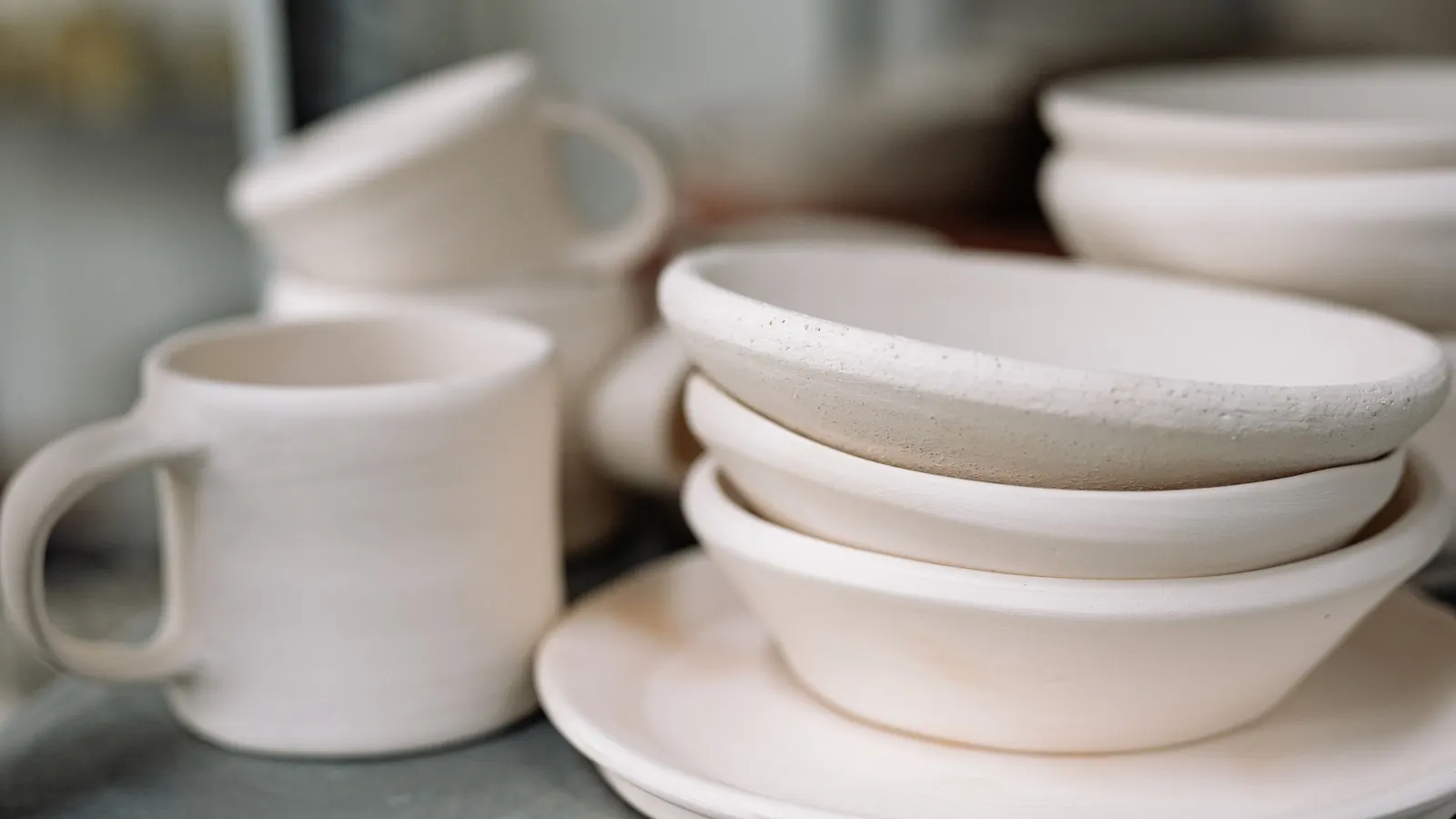
At the table, the setting around the bowl counts as much as the bowl. A wide, shallow stoneware bowl in matte cream on a linen runner, with wooden servers resting across the rim and a dish of dressing beside it, looks relaxed and generous. A deep wooden bowl in the middle of a crowded dinner table can crowd the glasses instead. When the table is full, the sideboard is the better home for a wide bowl, with people serving themselves.
What the bowl does for the greens
Material changes how a salad looks before anyone tastes it. Wood has grain and a warm tone, so it flatters pale greens and shaved parmesan, and its slightly uneven color hides small scratches from servers. A dark walnut or mango bowl makes bright tomatoes and cucumber stand out; a pale ash or maple one lets deep greens take the lead. Because the wood brings its own pattern, keep the table linens plain and the servers simple, in the same wood or in horn or bone.
Ceramic and glass lean the other way. A cream or white glaze makes red cabbage, beets and citrus look sharper and sits quietly on a patterned cloth, while clear glass shows the layers of a layered salad from the side and works best on a plain, light surface where its edge is visible. A speckled stoneware bowl gives a handmade look to a table of otherwise smooth plates. The more colors in the salad, the paler and plainer the bowl should be; wood earns its place with simple greens, where its grain does the decorating.
Capacity and dimensions together
Capacity is volume, while diameter and height describe the shape around it. A wide, shallow bowl takes substantial table space, and a narrower, deeper one fits the table more easily but is harder to dig a large spoon into. Find out whether the stated capacity is to the brim, because a practical serving sits below the edge and tossing needs extra room. Fluid ounces alone cannot give you guest numbers: leafy salad, chopped vegetables and a grain salad fill the same bowl very differently.
An easy calibration is to put a typical amount of your own salad in a bowl you already own, note the room left, then measure that bowl and compare its shape with the candidate.
Two bowls from one retailer, two different jobs
Bella Maison sells two bowls with “serving” in the name, and neither is a family tossing bowl. Read each one by the job its size and care allow.
Bella Maison’s Bohemia Stoneware Serving Bowl is listed at roughly 18.6 fluid ounces and about 5.9 inches across by 2.8 inches high, in stoneware that the retailer calls dishwasher safe. Those numbers describe a lunch bowl: one portion of leaves with a grain or some chicken on top, eaten with a fork, then washed with the plates. At about 6 inches, it can sit on a dinner plate at each place instead of taking its own spot on the table. It is the one of the two to buy in multiples, once you have checked that 18.6 ounces holds your usual lunch with room left to stir.
The Floral Mango Serving Bowl has a mango-wood exterior and a patterned green epoxy-coated interior, in 8 inches across by 2 inches high and 12 inches across by 3 inches high. On the table it shows bare wood from the side and green pattern from above, so a full bowl of dressed leaves hides much of the motif. The retailer says to wipe it with a soft damp cloth and avoid soaking or harsh chemicals, and describes it for serving snacks or fruit or as a decorative centerpiece. Its listing does not describe use with acidic dressing, so a salad that sits in vinaigrette is a question for the seller before you buy it for that purpose. When we checked on November 4, 2026, only the 8-inch size could be ordered; the 12-inch showed as sold out. At 8 by 2 inches it is a bowl for olives, nuts or a side of fruit on the sideboard rather than a salad, and even the 12-inch, at 3 inches high, is too shallow to toss in.
For tossing a family salad, look for a deeper bowl with a stated capacity and a care line that allows ordinary washing. Bella Maison’s serveware collection opens a collection page with its other serving pieces; check each listing’s height before ordering.
Material and finish
Choose by the maker’s stated use and care, since a decorative centerpiece and a serving bowl can look alike. For ceramic or glass, check the weight and any stated dishwasher or heating permissions. For wood, find out whether the surface is bare, oiled or coated, and use only the oil or finish the bowl’s maker recommends for food contact. A product sold for furniture or decks is not a stand-in. For metal or plastic, identify the actual material and follow its instructions, including for the microwave and dishwasher.
Grip, rim and servers
Think about the filled bowl. Can you lift it securely from the counter, does the rim give you a comfortable grip, and will it sit steadily while someone uses a utensil? Servers should suit the bowl’s depth: very long ones are awkward in a small bowl, and a short spoon disappears into a deep one. If the bowl will pass around the table, remember the filled weight and how far people have to reach; serving from a side surface is easier than circulating a large, heavy bowl.
Storage
Measure the cabinet opening and shelf space, since a broad rim or handles can make a bowl wider than its listed diameter. If you plan to nest bowls, make sure they sit without pressure on delicate edges and come apart easily. An everyday bowl that fits the dishwasher and cabinet will see more use than a very large presentation piece, so buy the biggest size only if you host often. When you compare several pieces for the same meal, our tableware hub shows the options.
Chips, cracks and coatings
Dry a bowl properly before storage and inspect the food-contact surface now and then. Retire a bowl with chips, cracks or a damaged coating from food use. A coated serving surface should not be resealed with a general craft product; ask the maker for an approved method, and treat a secondhand bowl of unknown material the same way.
Retailers to browse
Compare colors, sizes, materials and return details on the retailer’s current listings.
- Browse serveware at Bella Maison
Bella Maison
Opens Bella Maison’s serveware collection, not a single product.