Soup Bowls: Compare Capacity, Shape, Handles and Everyday Use
A wide shallow bowl and a narrow deep one can share a diameter and hold very different amounts. Choose capacity first, then shape, handles and whether it doubles for cereal.
By DecoraMintPublished 5-minute readMore in Tableware
In this guide
We may earn a commission from links on this page, at no extra cost to you. Affiliate disclosure
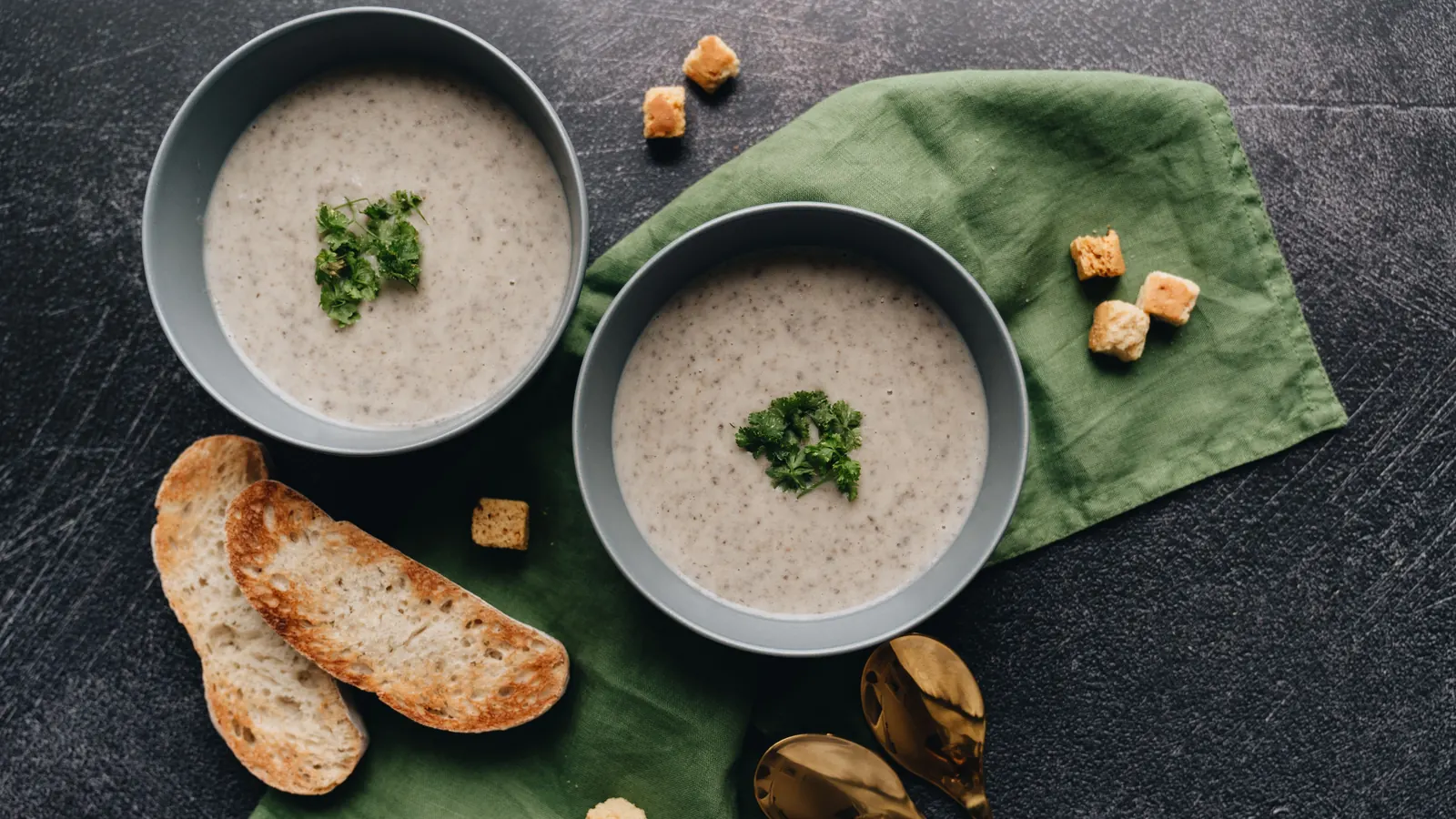
A wide, shallow bowl of tomato soup and a deep, narrow one can share the same catalog diameter and hold very different amounts, so start with capacity. The right soup bowl holds your usual serving with room below the rim, suits your spoon, stacks in your cabinet and goes in your dishwasher. A single everyday bowl that handles soup, cereal and noodles can serve a kitchen better than a cupboard of specialty shapes.
Start with capacity
If you already own a bowl you like, use it as the reference. Pour in your normal serving with a measuring cup, leaving the space you like below the rim, then note the bowl’s outside diameter and height. That gives you a far more useful target than “medium.”
When a listing gives fluid ounces, work out whether that is filled to the brim or a serving amount, because brimful capacity overstates what you can carry to the table without spilling. Walls, curves and the base all take space, so capacity cannot be calculated from the outside size and has to come from the seller.
A household that serves both a small first-course soup and a big bowl for lunch may want two sizes. If soup is the whole meal, one generous everyday shape may be enough.
Shapes and how they look on the table
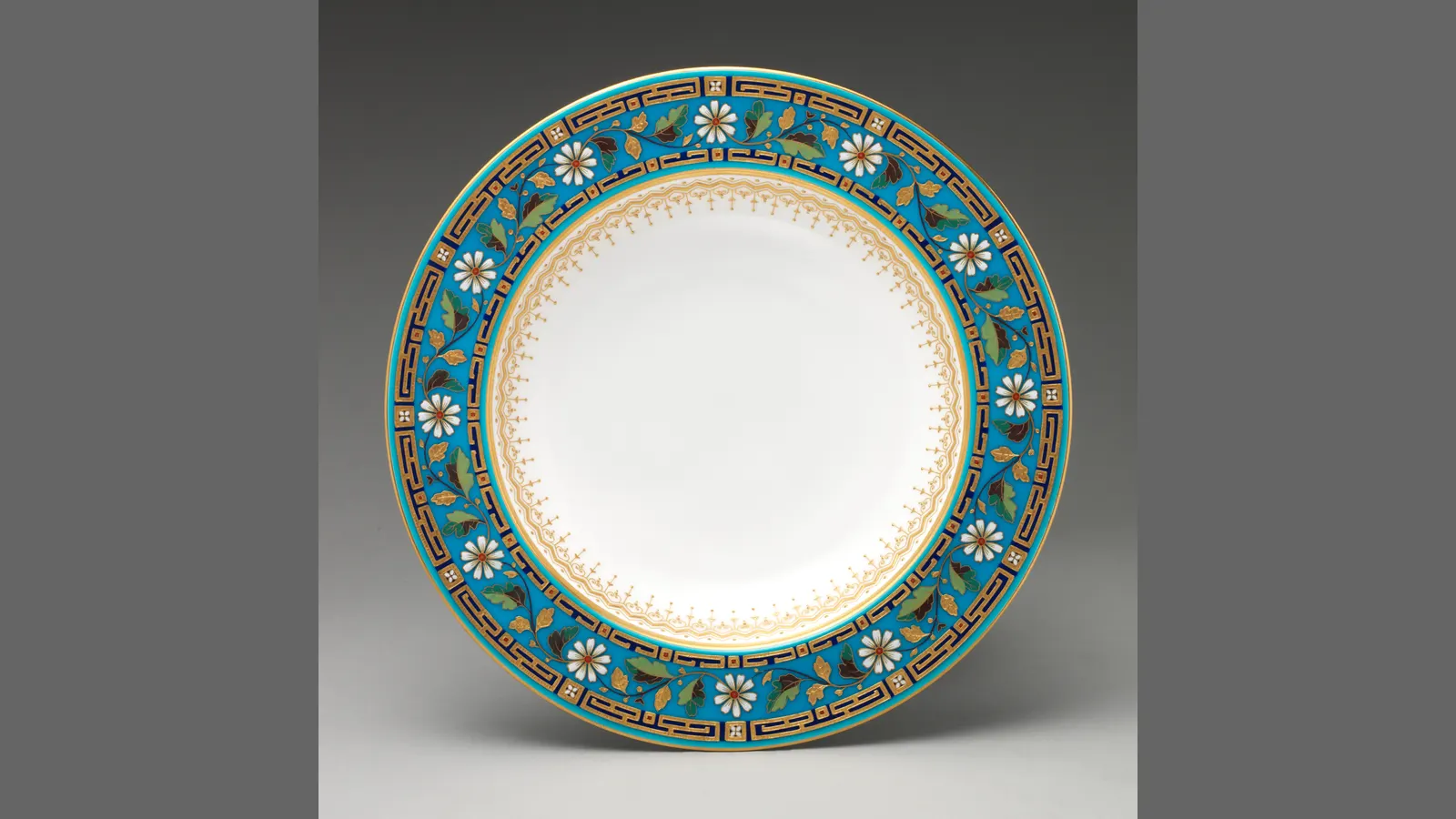
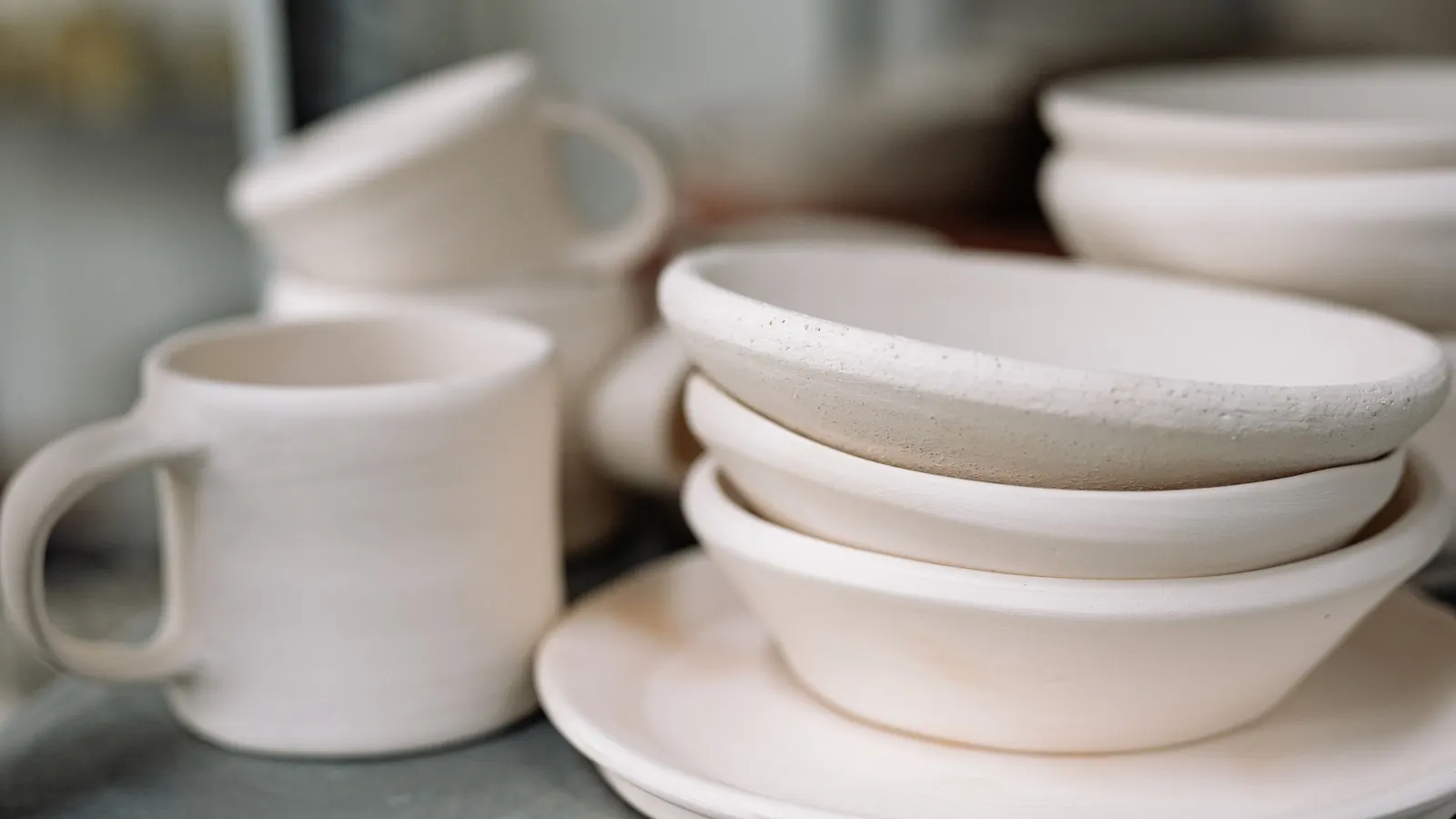
A deep everyday bowl is the practical default. It suits cereal and noodles and sits compactly on the table, though stacks of deep bowls run tall. A wide, shallow bowl gives toppings and composed dishes room and has a restaurant look, with the cost of more table and cabinet space. A rimmed soup plate frames a shallow well in an elegant border, and the wide rim holds no soup. A handled bowl gives you something to grip on the way to the table. A covered bowl or crock suits serving or oven-finished soups.
The look on the table changes with the shape. A wide rim makes a bowl look generous without holding more, a straight-sided bowl in matte stoneware looks earthy and substantial, and a thin white porcelain bowl looks light beside a wooden table. Your everyday spoon belongs in the decision: a big soup spoon in a narrow bowl feels clumsy, and a small spoon disappears in a wide one.
One bowl for soup and cereal
A bowl around your usual serving size handles both. Cereal needs room for the portion plus milk, soup needs a comfortable fill line and a spoon-friendly shape, and toppings need a little extra space. If the household uses bowls several times a day, replacement availability and dishwasher fit matter more than an elaborate pattern. Where the seller allows, buy one first and see whether it nests without wedging, sits steady on the table and fits the dishwasher rack.
Handles
Handles range from small decorative tabs to finger loops. Look at the opening and how far they project, whether they still clear the edge when the bowl sits on a plate, and whether two bowls fit side by side in the cabinet. Projecting handles take more shelf space than the stated diameter suggests. A handle can get as hot as the bowl, so use a mitt for anything hot and follow the product’s instructions before any oven use.
Oven-finished soups
For soup ladled at the table, any food-safe bowl with care instructions that suit you will do. For French onion soup finished under the broiler, the bowl must be explicitly rated for broiler use, and a microwave rating covers the microwave only. Le Creuset’s Heritage Soup Bowl page lists oven, broiler and microwave use for that product, which is the kind of clarity to look for. Lids need their own rating, and sudden temperature changes should be avoided where the maker warns against them.
Two stoneware and porcelain examples
These two bowls come from an approved merchant’s range, and DecoraMint may earn a commission from qualifying purchases through the merchant link on this page. We have not tested their durability, heat retention or chip resistance, and the details here are Bella Maison’s own.
Julia stoneware soup bowl. Bella Maison lists the Julia Soup Bowl as 6-inch stoneware with a digital-print design, dishwasher and microwave safe, and describes it for soups, stews or individual servings. It belongs to the same Julia collection as the retailer’s green Julia stoneware dinner plate, which matters if you want bowl and plate to match.
Bleu Blanc porcelain soup bowl. The Bleu Blanc Soup Bowl is porcelain with a blue-and-white printed pattern, also 6 inches across, dishwasher and microwave safe, with a note to avoid sudden temperature changes. Blue on white reads crisply against white plates and a pale wooden table, and the soup itself becomes the warm color in the setting.
Size does not separate them. Neither page gives a capacity or a height, and the store’s product data records almost the same weight for each, about 0.56 pounds for Julia and 0.54 for Bleu Blanc. Six inches is a common cereal-bowl width, so both fit the first-course soup and the modest breakfast bowl described above; whether either holds soup as a whole meal depends on a depth neither listing states, so ask the retailer for capacity before making one of them your only bowl. The real choice is the table they join (Julia’s printed stoneware or Bleu Blanc’s blue-and-white porcelain) and, for Bleu Blanc, reheating leftovers gently from cold, as its note asks.
Neither page mentions oven or broiler use, so neither is a French onion bowl. For that, a bowl whose maker lists broiler use, such as the Le Creuset piece above, is the better fit, and no Bella Maison bowl on this page replaces it.
Stacking, washing and mixing
Measure the height of a stack that fits your shelf, and the footprint of any flared rim or handles. A big dinnerware bundle saves little if the bowls need their own cupboard. Heavily decorated finishes may need gentler care than plain ones, so read the care instructions before buying. When the bowls arrive, look over every piece: one that rocks on a flat table or comes chipped should go back, however much you like the pattern.
Bowls and dinner plates can differ: a shared color, glaze or rim detail ties mixed pieces together, and a good shape with easy storage matters more than an exact pattern. Material alone does not predict weight, as the stoneware and porcelain bowls above show, so ask for a weight when you will carry bowls full.
Retailers to browse
Compare colors, sizes, materials and return details on the retailer’s current listings.
- Browse dinnerware at Bella Maison
Bella Maison
Opens Bella Maison’s dinnerware collection, not a single product.