Tumblers: Compare Insulation, Lids, Capacity and Cleaning
A cup that is perfect on a desk can leak in a bag. Start with how you drink and carry it, read the lid's limits, then compare usable capacity, cupholder fit and cleaning.
By DecoraMintPublished 4-minute readMore in Tableware
In this guide
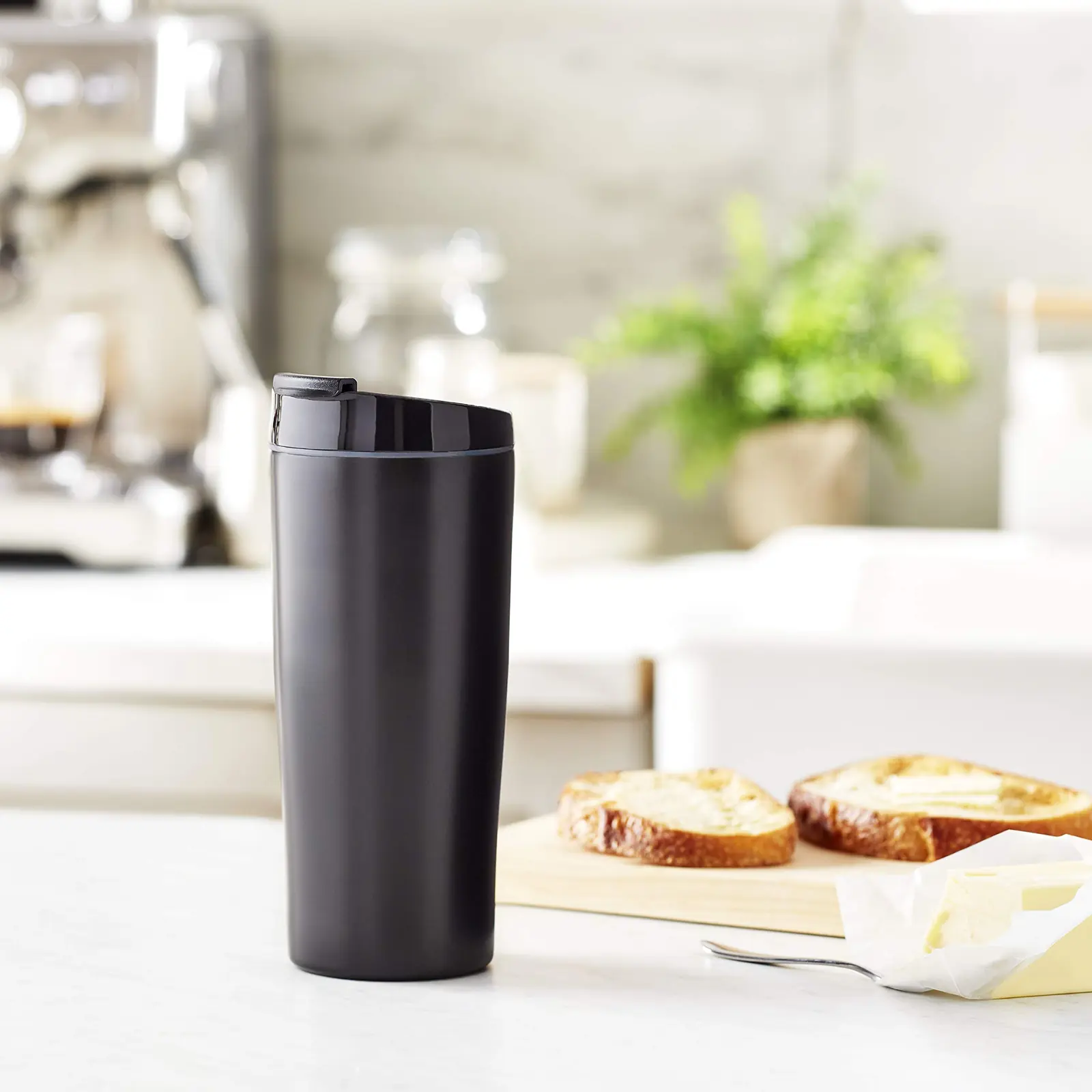
Decide where the cup will ride before you compare ounces or insulation. On a desk, a loose sliding lid is perfectly fine; in a bag beside a laptop, you need a closure its maker calls leakproof, and some of the best-known tumblers make no such claim. YETI’s own page for its Rambler 20 oz Tumbler says plainly that the MagSlider lid is not leakproof. That one line sorts the Rambler into desk and cupholder duty, and it is the kind of statement to hunt for on any lid.
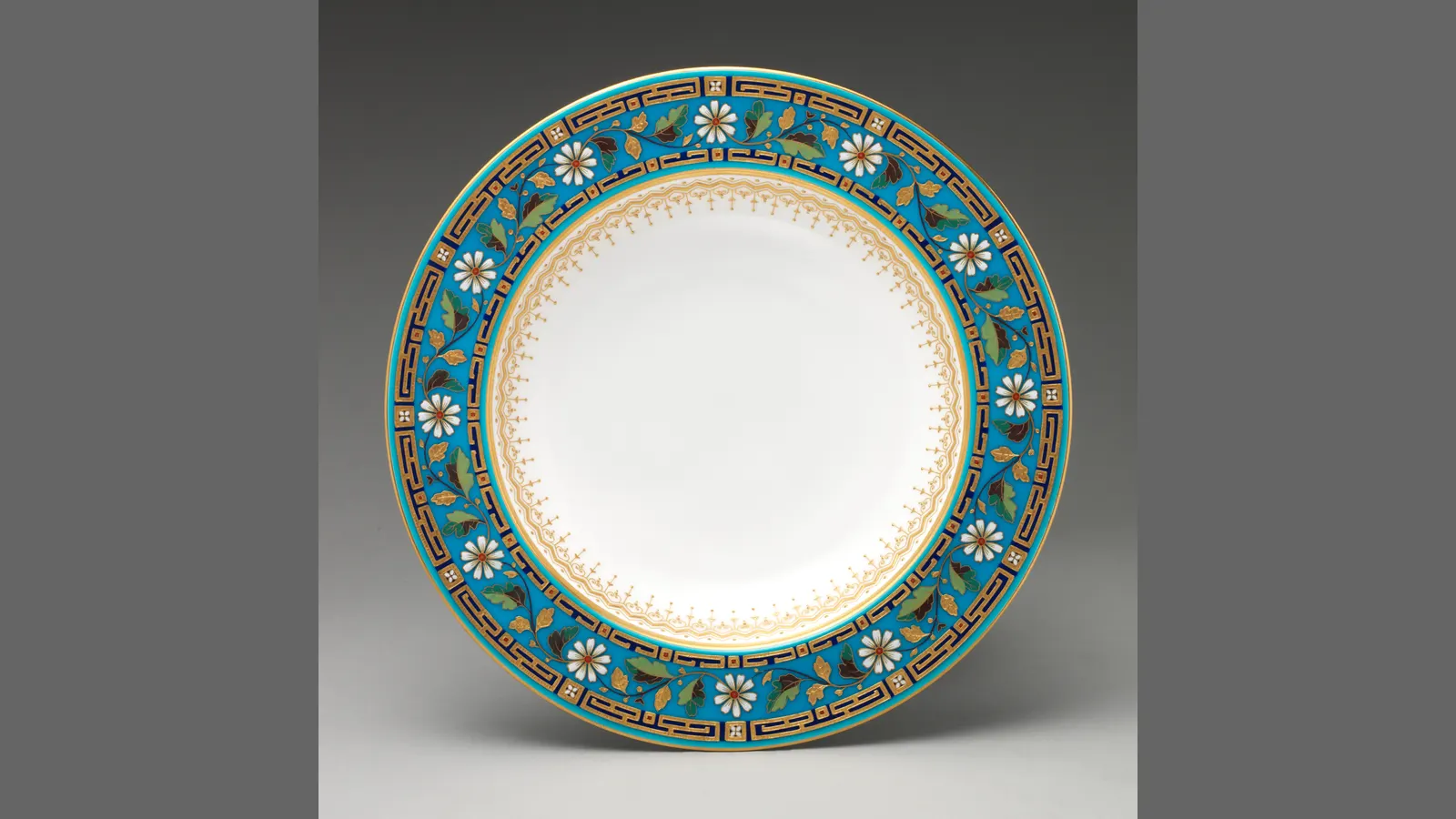
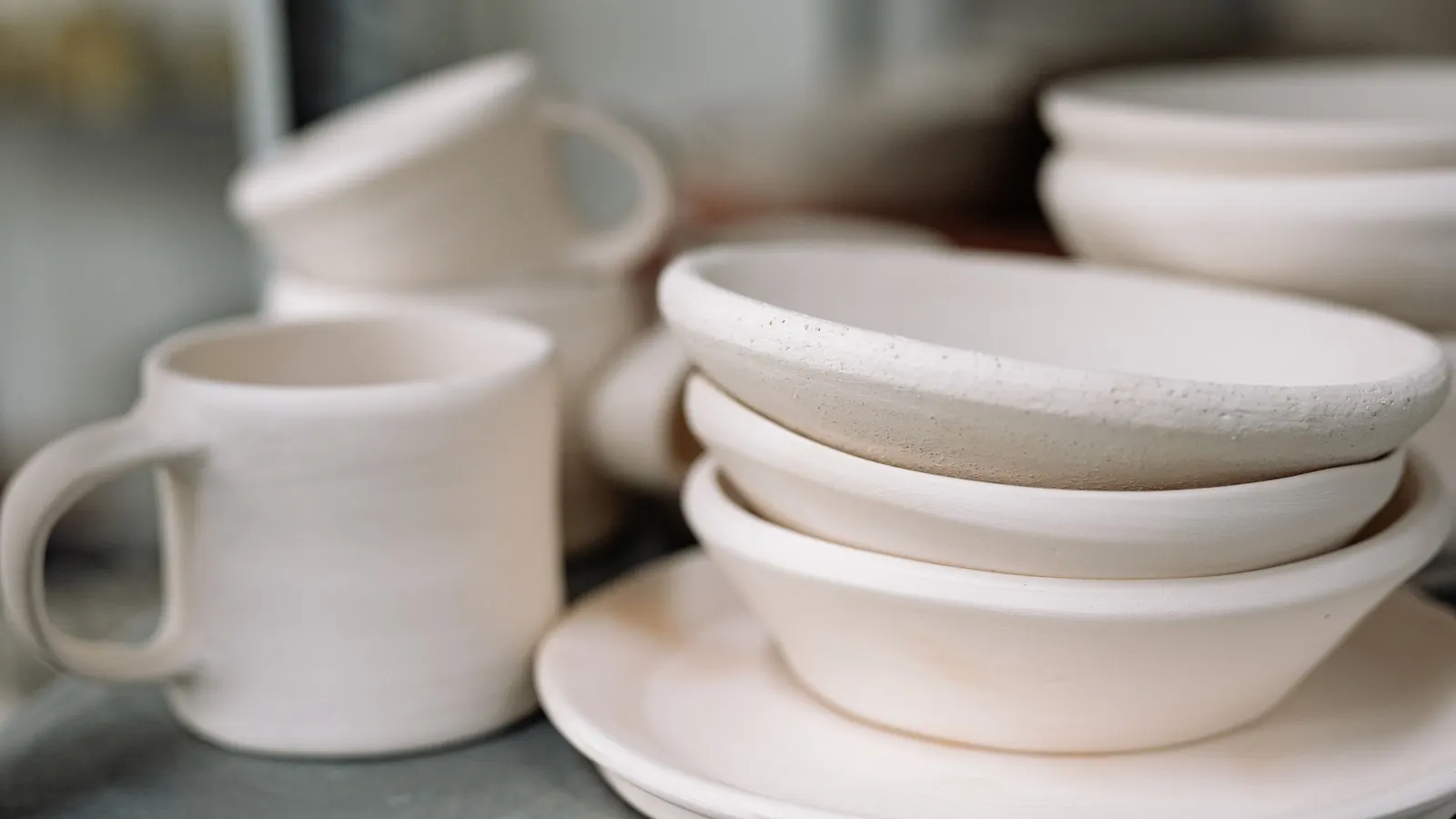
Tumbler can also mean a plain, heavy-bottomed drinking glass. Here we mean reusable lidded cups, mostly insulated travel styles, compared from makers’ published information; for glasses that stay at the table, browse the tableware collection.
Desk cup, car cup or bag cup
A tapered tumbler with a sliding lid is a lovely thing on a desk: it sits steady beside the keyboard, and sips easily through a long meeting. In a car, the base diameter and any handle decide whether it drops into the holder. In a bag, you need a closure the maker actually describes as leakproof, which usually points you to a screw-cap bottle or a travel mug with a locking lid.
Handled travel mugs, tapered tumblers and screw-cap bottles all get sold under overlapping names, so look at the opening and closure itself before trusting the category label.
What the lid tells you
Sliders, flip tops, straw lids and screw caps each set up a different routine. Read the exact wording: splash resistant, leak resistant and leakproof are three different promises. Hot and cold drinks can call for different lids. YETI’s page warns against using its straw lid with hot drinks. Accessory lids from the same brand can change what a cup is suited for, so keep each lid paired with its intended uses in your notes.
Gaskets matter too. A lid with a removable seal is easier to clean thoroughly, provided you can see how it comes out and goes back in. If replacement seals and lids are sold for the exact model, the cup can outlast a lost part.
Capacity you can actually use
Think about your usual drink, not the biggest number on the shelf. Ice takes up room, milk and syrups add volume, and most lids need a little headroom. Do the sum before you buy: the drink, any milk or syrup, the ice and a little headroom all have to fit under the rated volume.
A very large cup, filled to the line, is also heavy in one hand. If you rarely drink that much in one go, a smaller cup that is pleasant to carry is the better buy. Watch the units in older listings, where an ounce figure can refer to product weight as easily as to volume.
Insulation is a separate promise
A double-wall vacuum body, like the Rambler’s stainless-steel construction, slows heat transfer. It does nothing to make a lid leakproof, and a leakproof lid does not make a body insulated. Retention-time claims mean something only alongside their test conditions: starting temperature, how full the cup was, which lid was on. We are not ranking brands on hours, because the published figures are not measured the same way.
In daily use, convenience often matters more than the last hour of warmth. A cup that is awkward to refill or a chore to clean will spend more time in the cabinet than one that simply works.
How it looks and fits around you
Tumblers have become an accessory as much as a vessel. A matte powder-coated finish feels grippy and hides fingerprints; polished steel looks sleek and shows every smudge. A soft color that matches your desk lamp or tote can be the reason you reach for one cup every morning.
Measure the spaces it will live in. Compare the widest part of the body and the base with your car’s holder and nearby controls. On a desk, give it a stable spot away from the keyboard. In a cabinet or dishwasher, the full height with the lid on decides whether it fits on the shelf.
Cleaning, part by part
Body, lid, seal, slider and straw can each have their own care instructions. YETI’s page permits dishwasher cleaning for the Rambler and its MagSlider lid and advises where to place the parts. Treat that as Rambler guidance; another brand’s lid with a fixed seal might need hand washing.
Follow the maker’s steps for taking a lid apart and putting it back together, and avoid prying at a closure you do not understand. If a seal cracks, a coating flakes or a smell will not wash out, get the maker’s guidance before carrying on with it, and skip homemade gasket fixes.
Look at the base now and then, too. Vacuum insulation has to be sealed somewhere, and Stanley has said it seals the vacuum at the base with an industry-standard pellet whose material includes some lead, covered by stainless steel so it cannot be reached and never touches the drink (Fox 9 report). Stanley says exposure would take damage, unintended use or extreme heat. Whatever the brand, a cracked or detached base cover is a reason to retire the cup and contact the maker.