How to Light a Living Room for the Evening
Using three kinds of light, choosing shades that diffuse, picking 2700K to 3000K bulbs and placing lamps at the right height in a living room.
By DecoraMintPublished 7-minute readMore in Lamps
In this guide
Switch off the ceiling light after dinner and see what is left. In a room that works, three lower sources are doing the job at different heights: a lamp by the reading chair, one lifting a corner, one near the screen. If one of those is missing, you may not need to buy anything to fix it. Often the fix is moving a lamp, swapping a bulb for a warmer one or turning a shade so it stops glaring at the sofa. When you do shop, the lighting hub and lamp guides cover the fixtures themselves.
Which fix suits which room? For a reader, one adjustable lamp set to the chair beats any ceiling upgrade. For a room built around the sofa and conversation, two shaded lamps at different heights across the seating group do more than one bright source. For a television room, one dimmable lamp near the screen and a low path light let you keep the room dim without tripping. Renters with no switch-controlled outlets can get the same result from plug-in dimmers. The sections below explain each choice.
Give each light a job
Lighting designers sort sources into three roles. Ambient light covers the room and the walk through it, whether from a ceiling light, a bounce off a wall or a few lamps together. Task light sits where something specific happens: the page of a book, the arm of a chair, a desk. Accent light picks out a shelf, a wall or a piece of art. The GSA’s lighting guidance frames the same idea for offices as layers of light with compatible controls, and says task light close to the work lets general lighting run lower. In a living room that translates to a reading lamp doing the heavy lifting so the rest of the room can stay dim.
One lamp can play two roles. A shaded table lamp lights a book and lifts the wall behind it. There is no minimum lamp count, and the roles are a planning aid, not a shopping list of three product types.
List what happens after dark (talking, reading, television, a game, a bit of work) and where each activity takes place. Then walk in from the entrance. A bright pool beside the sofa looks inviting from the sofa but can leave the route to the kitchen hard to read, and a lamp you cannot reach from your seat will eventually stay off.
Arranging lamps around the seating
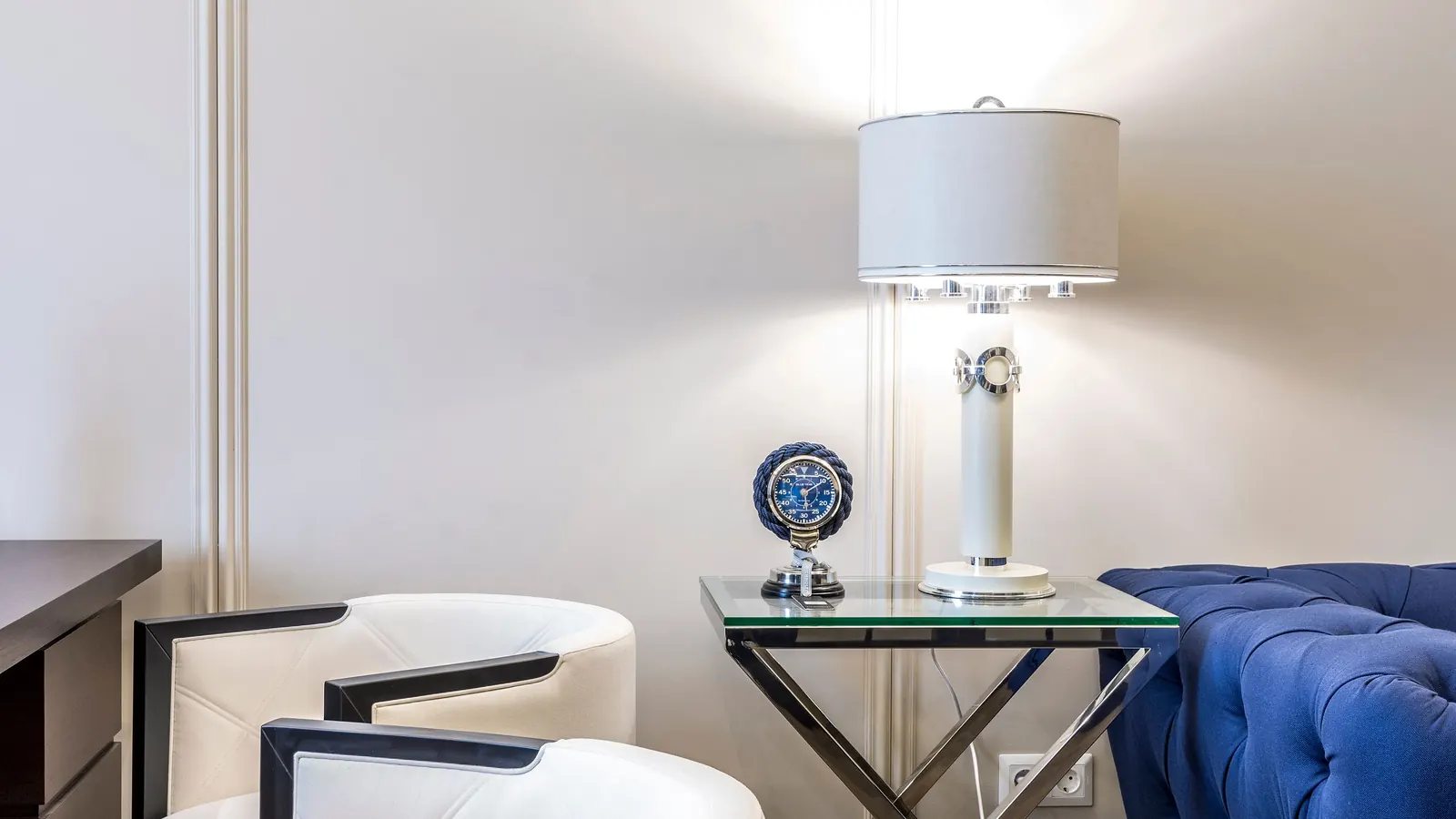
For conversation, spread the light. A shaded lamp at one end of the sofa and a second source across the room gives faces and walls some glow without everyone sitting under the same bulb. The pair does not need to match: two identical lamps suit a symmetrical layout, while a floor lamp and a smaller table lamp work when the furniture differs. Compare how bright and how directional each looks from the seats, instead of matching heights. An exposed bulb at eye level is tiring even when the rest of the room is dim. Height decides this: sit down, and the bottom edge of the shade should sit at or just above your eye line, so the bulb is hidden and the light falls on the surroundings. A lamp that is too short leaves the bulb in view, and one that is too tall sends light over the seated heads to the ceiling. If the height is off, swap the lamp base or the shade, or choose a fitting that hides the bulb from where people sit. Follow the fixture’s instructions on any shade or fitting change.
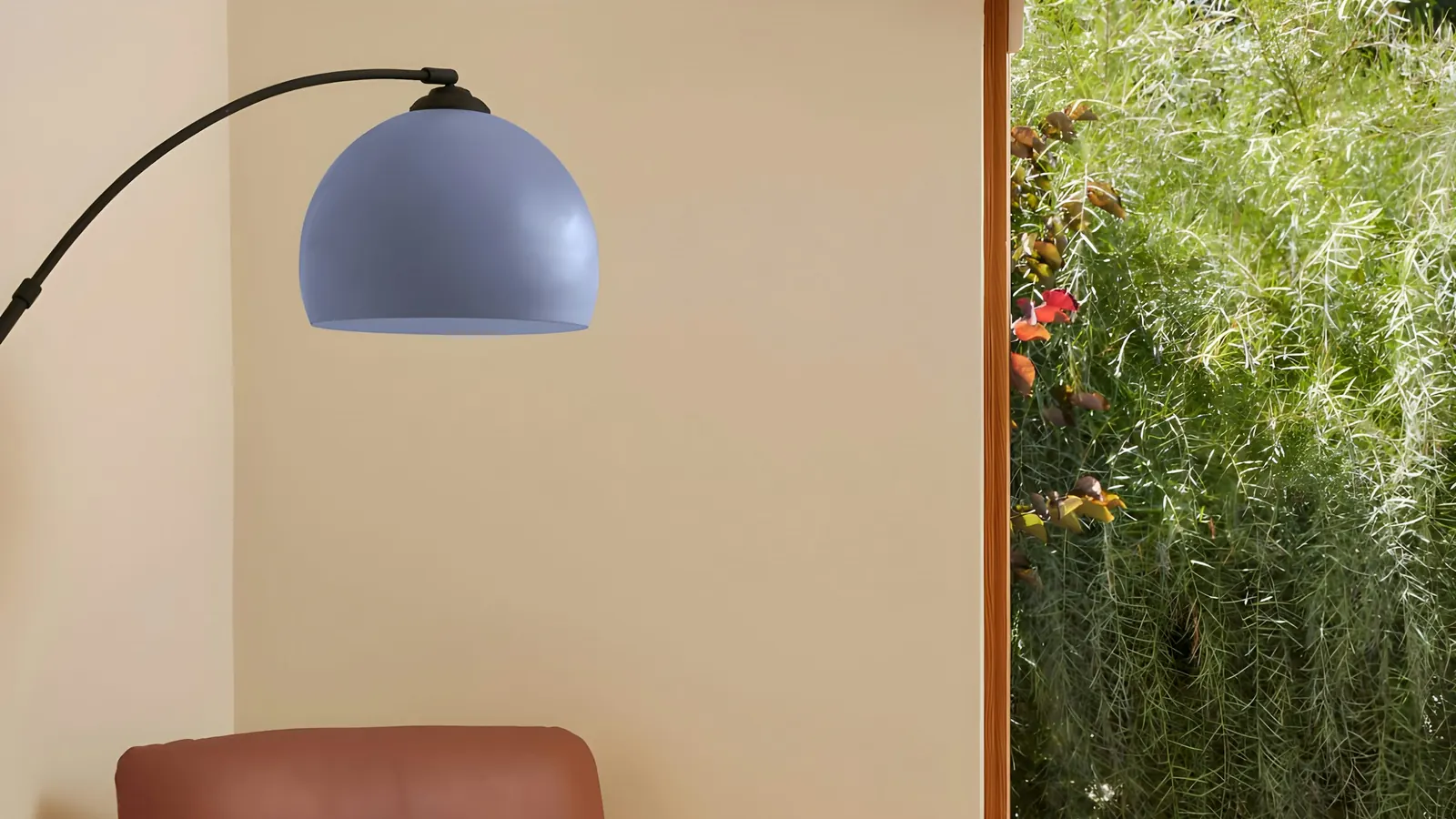
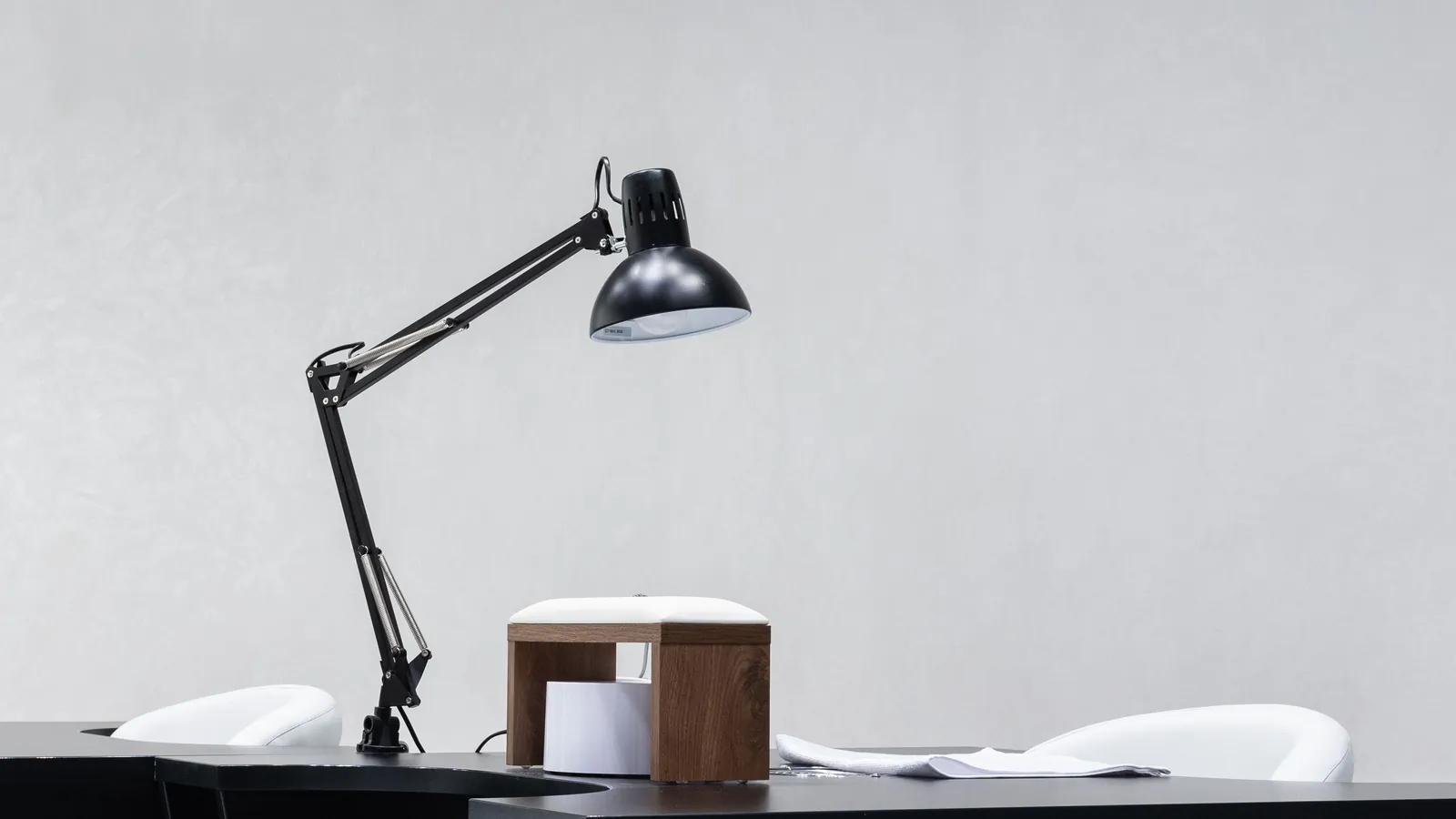
For a reading chair, set the lamp so light reaches the page without your head or hand casting a shadow and without the bulb showing in your eyes. Sit in the chair before judging it, since a lamp that looks right beside an empty seat often needs moving once someone is in it. An adjustable arm helps aim the light but needs room through its whole range, and an arc lamp’s base and reach can take more floor than the shade suggests. Leave enough ambient light that the page is not the only bright spot in a dark room.
A lamp behind a sectional keeps the side surface free, but the gap has to hold the real base and upright. The sofa should not rest on the base, and moving the cushions or reclining should not touch it. Sit in the seat the light is for, at the end and on the chaise, and check that the shade throws light on the page, that the bright source is hidden from the next seat and that you can reach the switch without pulling the lamp forward. If the only workable spot puts the base in the walking route, change the lamp type or its position.
For television, check the screen from every usual seat with the lamps on. A source behind the viewer shows up as a reflection in the glass, and a bright one beside the screen pulls the eye away. Put the lamp nearest the screen on its own control so it can be low while a path light stays on. A small accent light behind the set adds depth, but follow both products’ placement and ventilation instructions, and never cover equipment vents or attach lights in ways the maker does not allow.
Brightness, warmth and the bulb limit
The FTC’s guide to shopping for light bulbs separates brightness (lumens) from energy use (watts) and from light appearance on the label’s warm-to-cool scale. It gives a 60-watt incandescent as about 800 lumens, which an LED can match at roughly 9 watts, so buy by lumens.
For evening seating, 2700K to 3000K is the warm band to compare. Energy Trust of Oregon’s bulb color guide points to about 2700K for living rooms, bedrooms and dining rooms where you want a relaxed mood, and notes that a lower Kelvin number gives a more yellow light. Test a bulb behind the shade you own, because a dense or tinted shade shifts the look. When several lights are visible together, compare them as a group: a warm 2700K lamp beside a 4000K one makes the room look unfinished. Buy a single bulb to try before replacing every one.
Respect the fixture’s printed limits for bulb type, base, size and maximum rating, including whether it allows an enclosed bulb. A package boasting an incandescent-equivalent brightness never justifies exceeding the fixture’s limit. Never drape fabric over a lamp to soften it; choose a properly made shade.
Shades that spread light well
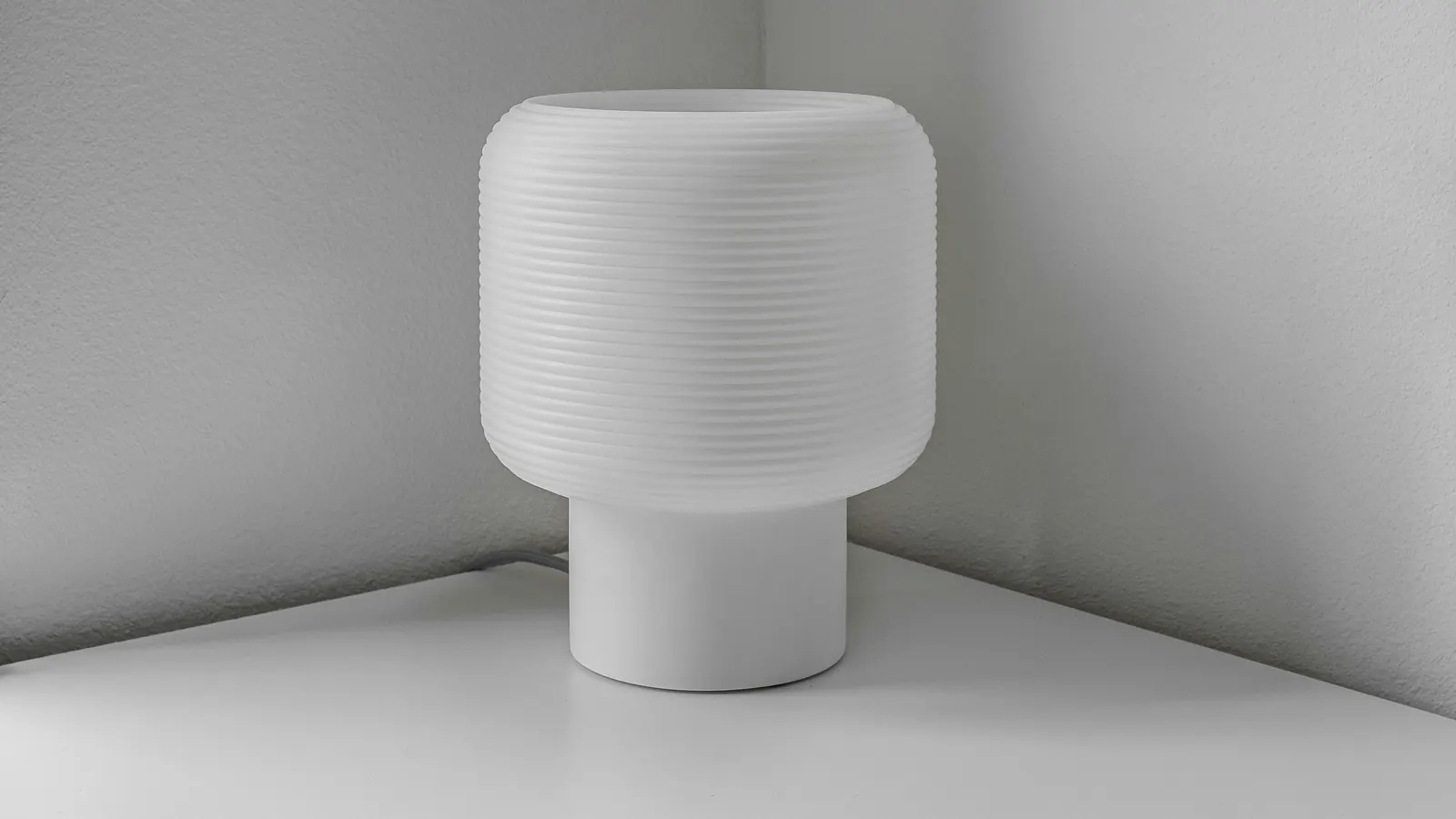
Shape, openings, lining and opacity decide where the light goes. A translucent drum can glow through its sides, while an opaque shade sends light up and down through its openings only. Check the lower edge from the seat: a shade that hides the source from the sofa may show it to the chair, and a narrow opening can keep useful light off the table.
Dimming needs a matched system
A basic on/off smart plug cannot dim a lamp. For remote brightness control, use a device sold as a lamp dimmer and matched to the bulb. TP-Link’s Tapo P135 kit is one such lamp-dimmer plug. The maker rates it at 2.5 amps (300 watts incandescent or 150 watts LED), says it uses leading-edge phase-cut dimming and asks that both connected lamps share the same load and dimming type. Those are one maker’s figures, and we have not tested the kit.
Lutron’s compatibility FAQ says its Caseta dimmers work with dimmable LED, CFL, incandescent and halogen bulbs but are not designed for smart bulbs such as Philips Hue or GE Link, and it keeps a bulb list at lutron.com/compatibility. Pick a bulb from the dimmer maker’s list, since “dimmable” on a box does not guarantee a smooth fade. Integrated LED fixtures follow their maker’s control requirements, and new fixed wiring or a swap to an incompatible wall control calls for a qualified electrician.
Controls and cords after dark
Decide how someone enters, gets light and reaches a seat. An app is convenient, but keep a conventional switch for guests and for the nights the Wi-Fi is down. Group lights by activity, so one setting serves conversation, another reading and another the screen, and you do not tweak three awkward switches each evening. After moving furniture, recheck the lamp bases and cables, keep cords out of walking routes and out from under rugs and furniture legs, and use the plugs and connections the maker specifies.
Before buying the next lamp, switch on the whole arrangement after dark and sit in every regular seat. Read a page, look at the screen and talk across the room. Name the actual problem first: a lamp glaring, a dark route, a reflection. The cure may be a different direction, a shielded source or a task light, while another decorative lamp added without a diagnosis tends to add glare and leave the page dim. When you add a lamp, put it where the dimmest regular seat needs it, and choose one that also looks good switched off.