Blackout Curtains: Compare Construction, Coverage and Daily Use
A blackout panel can block the fabric's light and still leave a bright line at the edge. Find where the light gets in before buying another pair, and compare two real examples.
By DecoraMintPublished 6-minute readMore in Blinds & Shades
In this guide
Close your curtains on a sunny afternoon and ask one question: where is the light actually coming from? If the fabric itself glows, you need a better blackout fabric. If the panels are dark but there is a bright seam down the middle, a halo above the rod or strips along the walls, a new pair will not help: the fix is coverage and hardware. Edge leaks are easy to overlook, so diagnose before you buy.
Map the light leaks
Close the curtains at the time that bothers you, early dawn, a streetlight at midnight or daytime naps, and look from the bed or chair, not from in front of the window. Each leak points to its own fix.
| What you see | What usually fixes it |
|---|---|
| A glow across the fabric | A true blackout fabric or a blackout lining |
| A bright line down the center | Panels that overlap where they meet: wider panels, overlapping rods, a center-overlap track or magnets sewn into the leading edges |
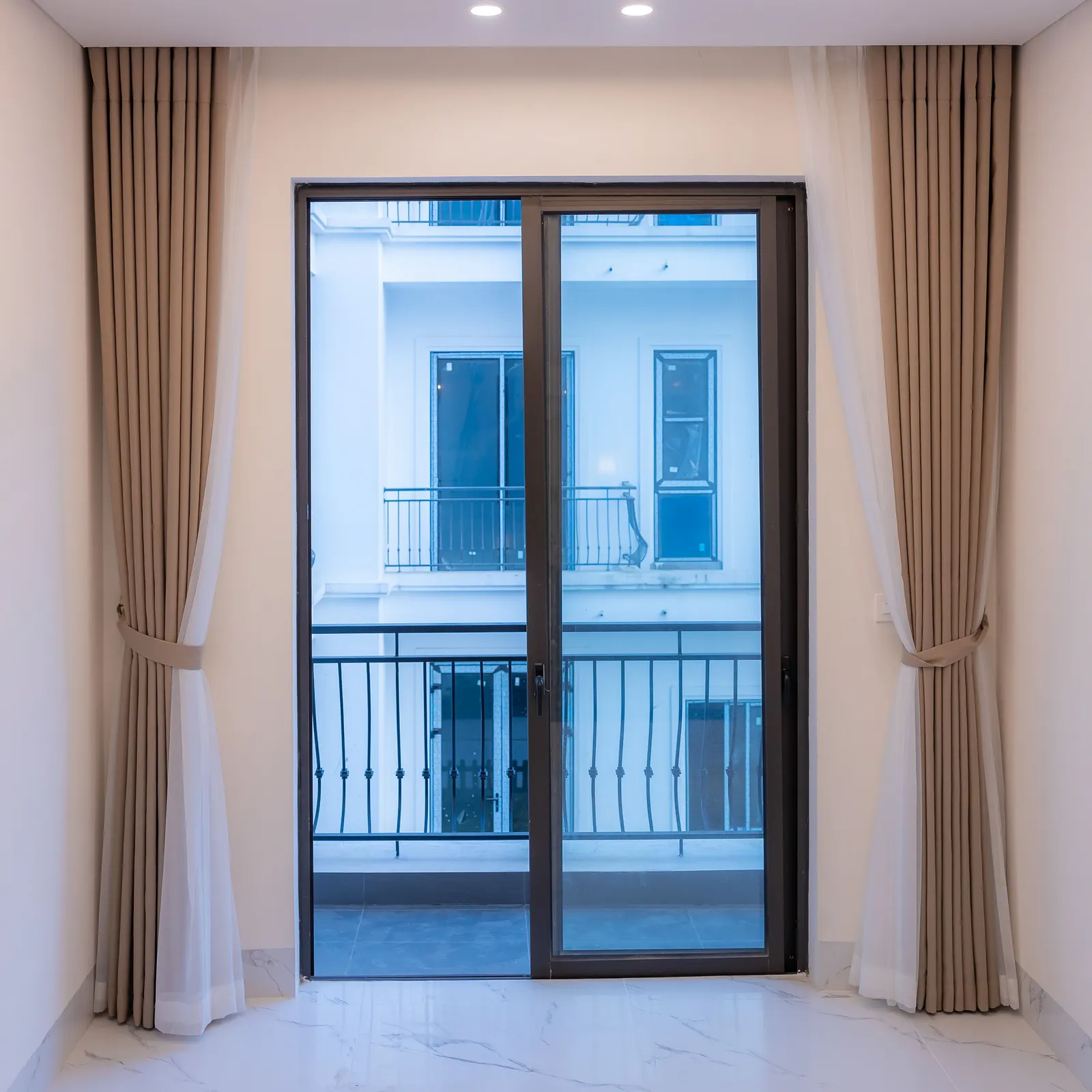
| Bright strips at the sides | A rod that extends farther past the frame, or a wraparound (return) rod that brings the fabric back to the wall |
| A halo above the curtain | Mounting the rod higher and closer to the wall, a ceiling track, or a valance or cornice over the top |
| A strip at the bottom | A longer drop to the floor or sill, with care around heaters and vents |
No single change guarantees a pitch-black room, and perfect coverage cannot rescue a fabric that lets light through. Fix the biggest leak first, then look again.
Pair curtains with a shade for real darkness
For a nursery, a shift worker’s bedroom or anyone who sleeps past sunrise, the surest setup is two layers: a blackout roller or cellular shade mounted inside or just outside the frame, with blackout curtains on a wide rod over it. The shade handles the glass, the curtains cover its edge gaps, and the room looks soft and finished instead of shuttered. Check that the existing brackets can carry the second layer before adding it. The window-treatment collection covers the shade side.
What blackout fabric is made of
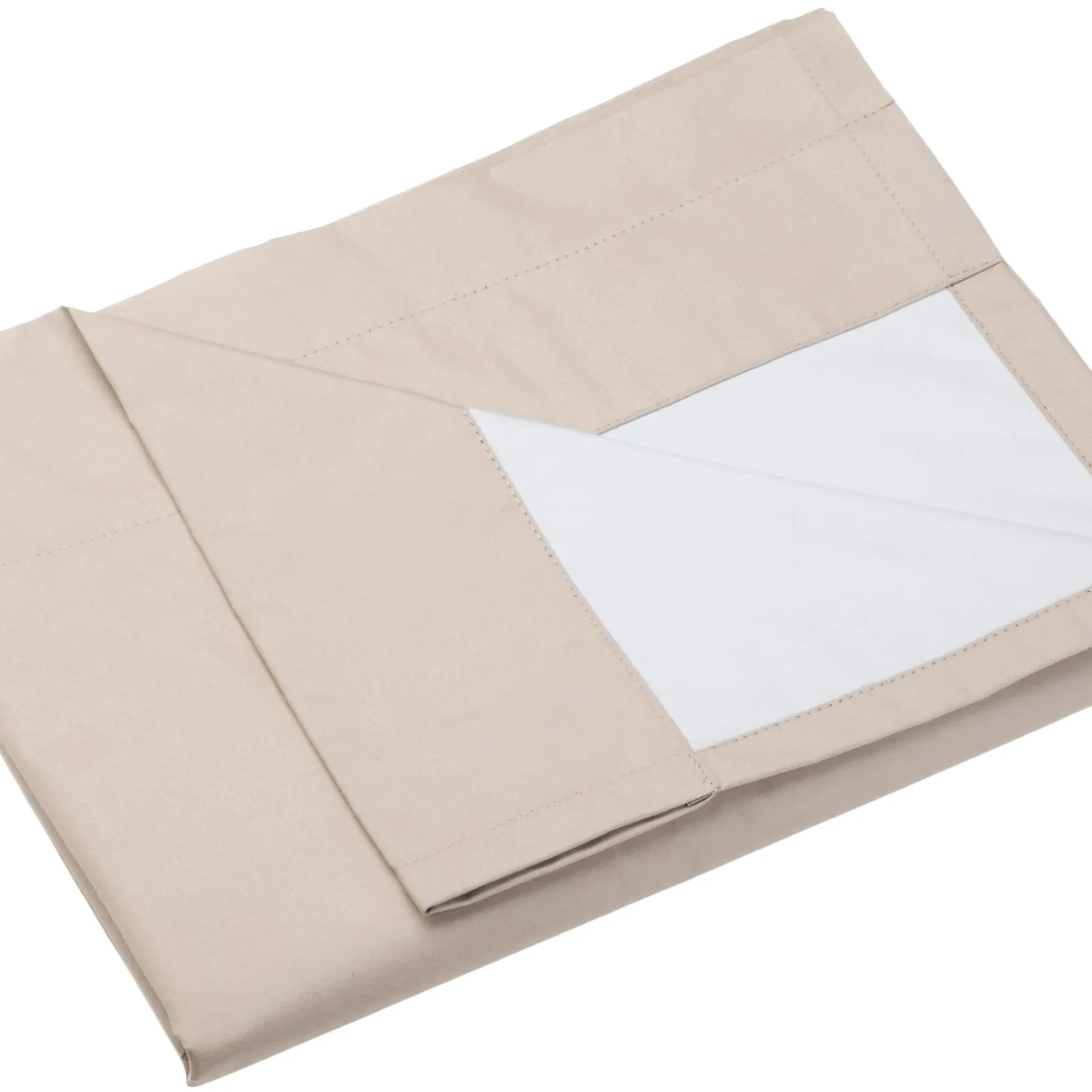
“Blackout” and “room darkening” are sellers’ categories, not a shared standard, so read the description of the exact curtain. Blackout performance comes from one of three things: a separate sewn-in lining, a coating or backing applied to the reverse, or a densely woven or layered fabric. They can look the same in a photo but drape, feel and wash differently. A coated back can feel stiffer and may restrict ironing; a lined curtain hangs in fuller, heavier folds; a woven blackout feels more like an ordinary curtain.
Ignore the color. A pale panel with a good lining can outperform a dark one without. If a listing does not show the reverse and the hem, ask for photos, and if you order a sample, make sure it includes every layer, not just the face fabric.
Two IKEA examples
| Example | Published construction and size | What it means for you |
|---|---|---|
| IKEA MAJGULL 10591002, gray | Polyester; pair of 57-by-84-inch panels | Check the pair’s width against your rod once gathered |
| IKEA ROSENMANDEL 20556244, gray | Polyester fabric with polyurethane backing; pair of 53-by-84-inch panels | Follow the backing-specific care directions |
The MAJGULL listing specifies heading tape with several hanging options, cold washing and no tumble drying. The ROSENMANDEL listing names the backing separately and limits ironing to the front side on low heat, a reminder that the side facing the window has its own rules.
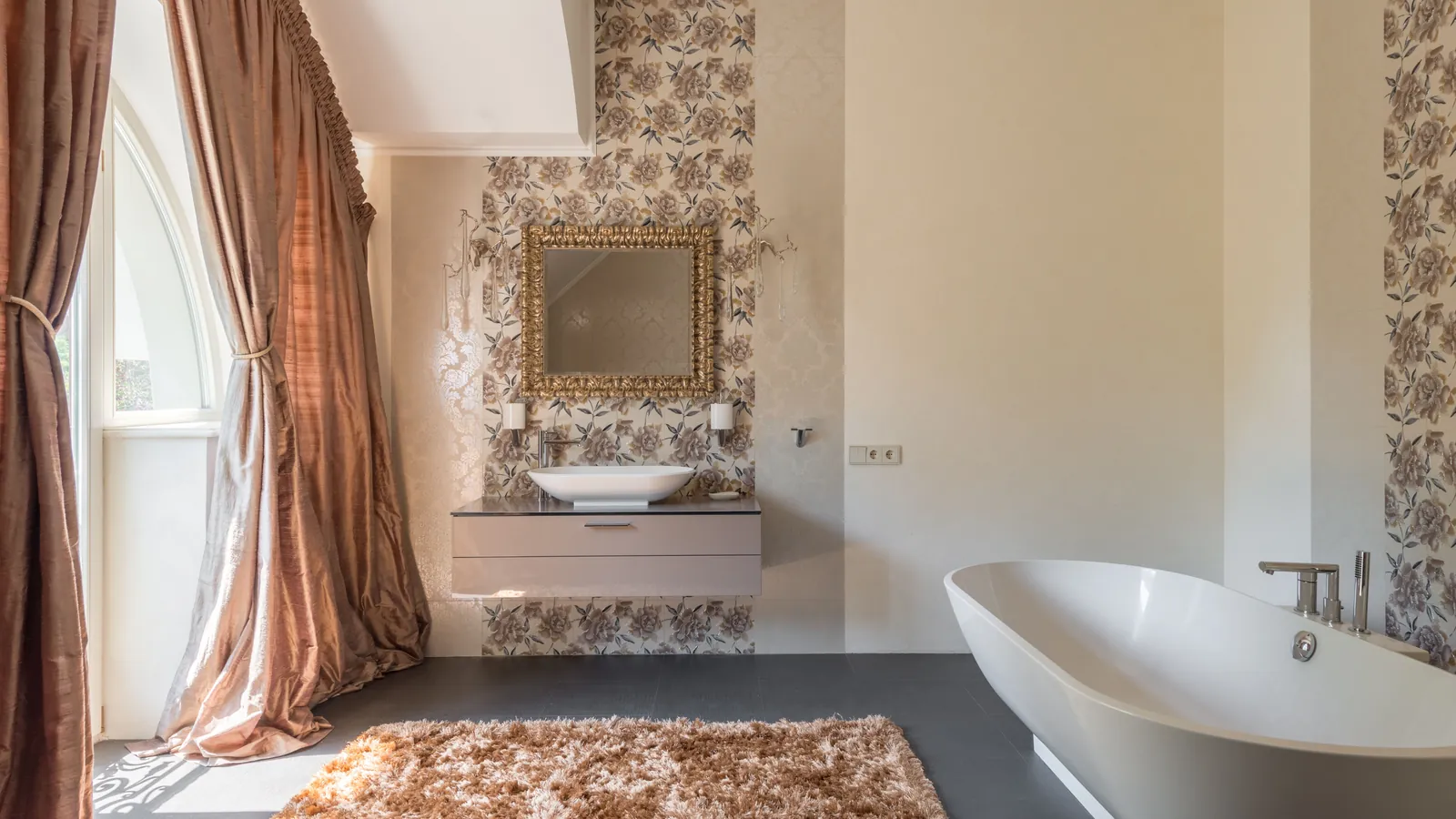
At the listed sizes, a MAJGULL pair gives you eight more inches of flat fabric than ROSENMANDEL, which can help on a wide window where you need overlap and returns. That is a coverage advantage, not proof of better light blocking. ROSENMANDEL makes sense where its narrower panels still cover the opening and you like the fabric-and-backing construction. These are examples from published specifications, not a ranking or a test of our own, and the hero photograph shows a blackout construction in general, not either IKEA model. If neither pair covers your window properly once gathered, skip both rather than buying the stronger-sounding claim.
Getting the width and drop right
Measure the width the closed curtains must cover, including the overlap at the center and any return to the wall, not just the glass. Flat panel width shrinks once fabric is gathered or pleated. Two hypothetical 50-inch panels hold 100 inches of fabric; across a 70-inch span that is about 1.43 times the width before you add anything for the sides or center, which leaves little room for generous folds and overlap. Use the sizing guidance for the heading you choose.
Measure the drop from where the heading actually hangs; a ring, a hook and a rod pocket start at different points. Mark the hem height with tape and check for radiators, vents, desks and doors before ordering.
Sleep, daily use and the daytime look
The NHLBI’s healthy-sleep guidance recommends a dark, cool, quiet bedroom and mentions light-blocking curtains as one way shift workers can cut daytime light. Darkness helps, but no curtain treats a sleep problem.
Blackout curtains spend half the day open, so think about the stack. Heavy panels gathered at each side can eat into the glass and darken the room by day; a rod that extends past the frame lets them stack against the wall. Look at the reverse from outside, too, since a white or gray backing shows from the street. If you want daylight with some screening while the blackout panels are open, a sheer layer or a light-filtering shade does that job.
Choose a heading that slides easily on your rod; curtains that snag tend to get closed with the same gap every night. Keep window handles reachable, and keep fabric clear of heaters and vents as their makers direct.
Nurseries and children’s rooms
A dark nursery often means curtains layered over a blind, and that blind is where the cord risk lives: choose a cordless one, as the CPSC advises, and keep the crib, toys and climbable furniture well away from the window. Never push the crib against a curtain to close a light gap, and remember that a curtain over a corded blind leaves the cord hazard in place. Keep tiebacks and fabric away from the sleep space, secure the rod as its instructions direct, and look at the window again as the child starts to reach and climb. “Nursery” or “blackout” in a product name is not a safety certification.
Adding a liner to curtains you own
A separate blackout liner can turn a favorite unlined curtain into a darkening one, provided the heading and rod can carry it. Check how the liner attaches, whether it changes the drop and how it affects the way the curtain opens. A liner made for the purpose behaves better than an arbitrary fabric pinned behind.
When the new pair arrives, check item numbers, sizes and both backings before washing, hemming or tossing the packaging, since alterations can affect returns. Hang it unaltered for a night and look at the center and edges in the light that bothers you. A phone photo will brighten the scene, so trust your eyes.