Cooling Sheets: Choose by Fabric, Feel and Your Whole Bed
Heavy fabric, a clammy surface and a bed with too many layers are different problems. Name yours, then compare fabric, first touch, fit and laundering before buying cooling sheets.
By DecoraMintPublished 4-minute readMore in Bedroom
In this guide
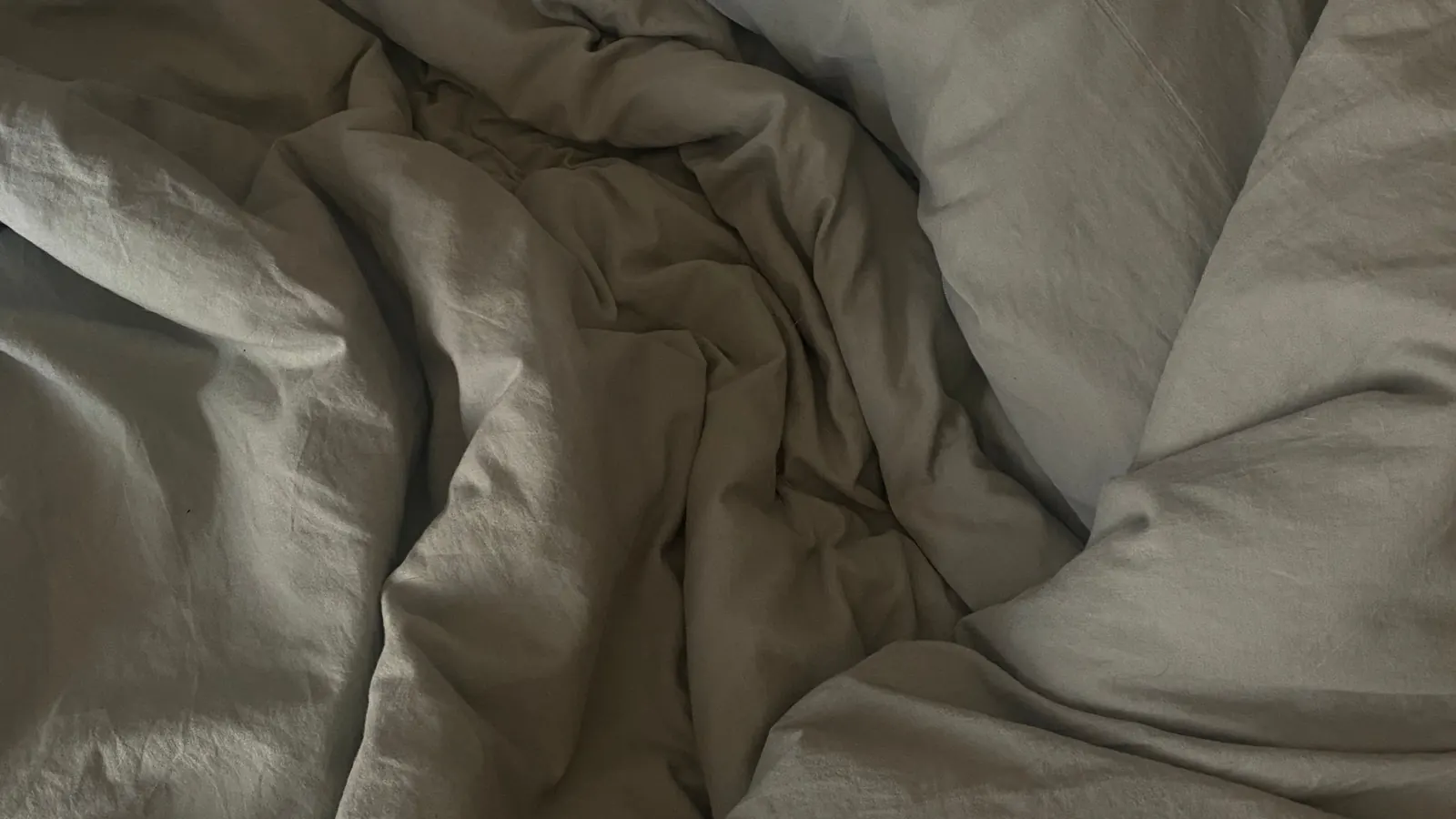
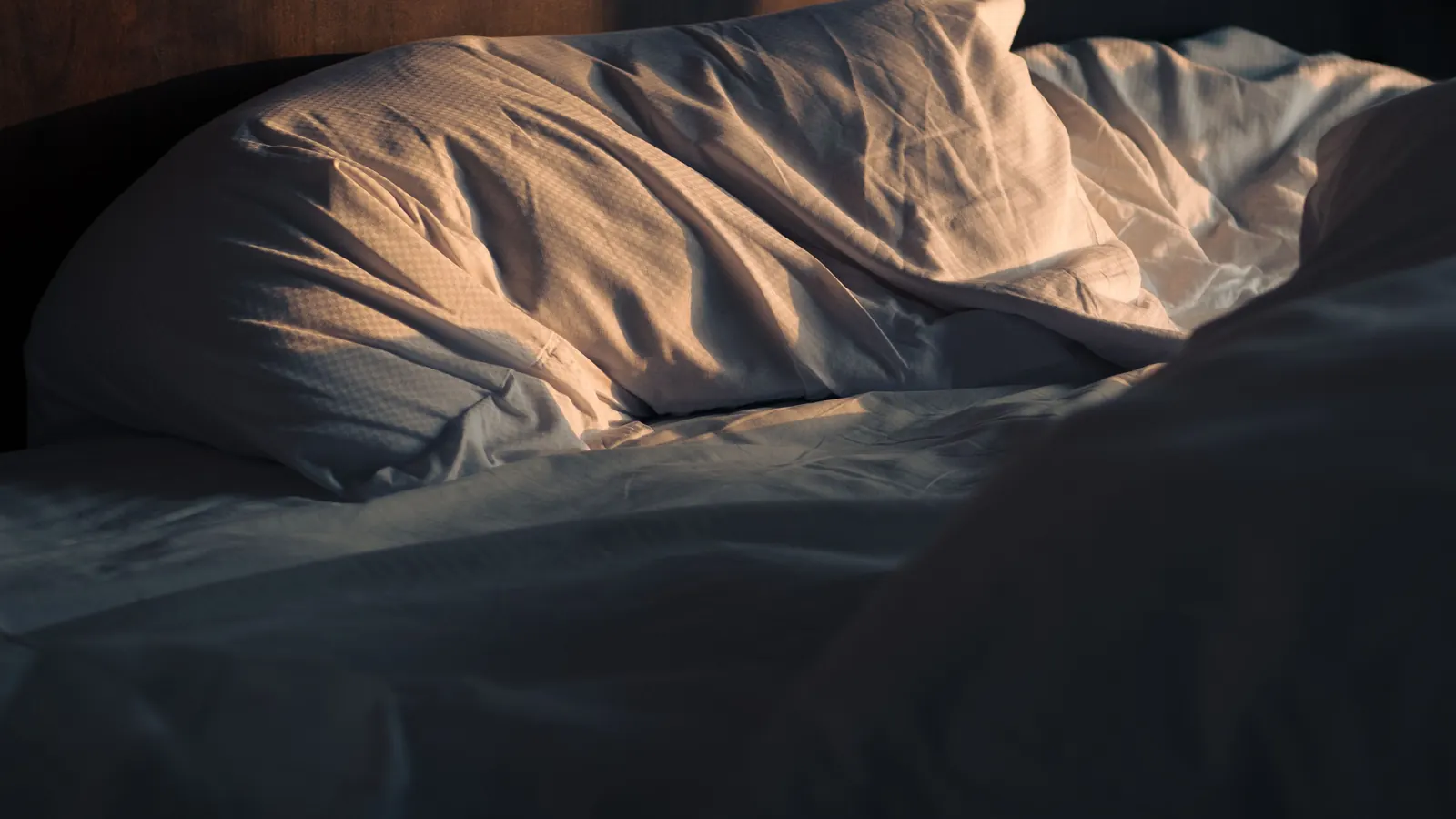
Picture a summer bed made up in white percale: the sheet pulled taut, a faint matte sheen, and that crisp, papery whisper when you slide in. Now picture the same bed in washed linen, rumpled on purpose, slightly nubby under your palm, with a soft grayish cast in morning light. Both are what people usually mean by cooling sheets, and neither depends on a special finish. A bed that feels heavy, a surface that turns clammy and a stack of too many layers are three different problems, so name yours first, then choose the fabric by how it feels, fits and washes.
Which problem are you solving?
- The sheet feels thick and heavy. Look at weave and weight first, and check whether the real culprit is a dense duvet on top.
- The surface feels damp by midnight. Fiber content and construction matter more here than a “cool to the touch” claim.
- The fabric clings or feels slick. A crisp or textured surface may suit you better than a silky one, however advanced the silky one is.
- The fitted sheet bunches. That is a pocket-depth problem.
- It feels cool for ten minutes, then not. You have met the difference between first touch and all-night comfort.
Someone who hates a slippery surface will still hate a technically impressive slippery sheet, and someone sweltering under a heavy comforter may get more from a lighter top layer than from new sheets.
First touch versus all night
Textile researchers treat the cool feeling you get on first contact as its own property. Research on properties influencing coolness to the touch examines that brief transfer of heat from skin to fabric. It is a real, measurable sensation, and it explains why some fabrics feel cool in the store. It does not describe how the bed feels hours later under your usual covers.
So when a listing gives a cooling score, ask what was measured: the dry fabric surface, moisture movement, air passing through, or people sleeping in a made bed. Ice cubes and blue-lit product photos set a mood; they supply no evidence.
Fabrics, by feel
Cotton percale
Percale is a plain weave, and it is the fabric behind the crisp hotel-sheet feel: cool and matte, with a fresh, slightly stiff hand that softens with washing. Cotton Incorporated’s sheet buying guide stresses that thread count is only one factor; yarn, fiber, construction and finishing all shape how a sheet feels. On the bed, percale gives clean lines and a tailored look that suits a neatly folded top sheet.
Cotton sateen
Sateen uses a satin construction that floats more yarn on the surface, so it feels smooth and drapes heavily with a soft sheen. It suits people who like a silky, enveloping bed and disappoints people who want crispness. Brooklinen’s collection comparison is a handy illustration of how thread counts vary by weave: it lists its Classic Percale at 270 threads and its Luxe Sateen at 480, and describes its linen by fabric weight instead. Those are one brand’s specifications, not thresholds for a good or cool sheet, and a higher count on its own tells you nothing about temperature.
Linen
Linen gives a bed a relaxed, lived-in look: soft folds, uneven texture, a duvet that slumps rather than puffs. If you need a crisply made bed to feel settled, though, linen’s rumple may bother you more than heat does. Finished linen sets vary a lot in weight and softness, so handle a swatch if the seller offers one, and check whether the set includes a top sheet.
Rayon, viscose and lyocell
These regenerated-cellulose fabrics are usually marketed for their smooth, fluid drape. Read the fiber label closely. The Federal Trade Commission’s bamboo textile guidance says fabric made by chemically processing bamboo into rayon should be labeled as rayon or viscose made from bamboo, not simply “bamboo,” and that the plant name does not carry antimicrobial or environmental claims with it. Record the actual fiber and blend percentages, then judge feel, care and any cooling evidence separately.
Technical fabrics and finishes
Some sheets rely on engineered yarns or applied cooling finishes. If a finish is the whole point, ask whether its durability through repeated washing was tested and under what care routine. A safety or sourcing certification is not a temperature test, so read what each badge actually covers.
Look at the whole bed
Count the layers between you and the mattress (protector, topper, fitted sheet) and the layers above you. A thick quilted protector or a heavy duvet can undo the lightest sheet. Try one change at a time, perhaps a lighter top cover with your current sheets first, so you know what made the difference. A set can be a good buy simply because it feels pleasant against your skin, even if you cannot prove it is cooler.
Partners with different preferences may be happier with separate top covers over a shared fitted sheet than with one compromise set.
We have not ranked sheets through thermal testing, and this guide carries no affiliate recommendation because we could not match a verifiable product at the reviewed destination.
Fit and laundering
Measure the mattress with any topper and protector in place and match that to the fitted sheet’s pocket depth, with a little room to spare. Pockets that are far too deep leave loose fabric that wrinkles and bunches under you.
Read the care label before buying. Cotton, linen and viscose often carry different wash and dry instructions, and a sheet you have to line-dry may not suit a bed you change weekly. Compare what each set includes: pillowcase count, whether there is a top sheet, and whether pieces are sold separately. Check the return rules for opened or washed bedding before you decide how to try a set.