Energy-Efficient Window Treatments: Choose for Heat Loss or Sun
Summer sun and winter heat loss call for different fixes. Match cellular shades, lined curtains, exterior screens or interior panels to the problem at your window.
By DecoraMintPublished 4-minute readMore in Blinds & Shades
In this guide
The most efficient shade in the house is the one that is down at the right hour. A 2013 survey of how American households use window coverings, prepared by D&R International for the U.S. Department of Energy, found that roughly half of coverings stay closed all the time, and that between 75 and 84 percent sit in the same position all day. So choose a treatment you will really move, then match it to the problem at your window.
Match the treatment to the window
Summer sun that heats a west-facing room and winter cold that creeps off a big window at night call for different tools, and a dark room is not the same thing as an insulated one.
- Afternoon sun overheating a room. The Pacific Northwest National Laboratory’s window-attachment guide explains that exterior attachments block sunlight before it reaches the glazing, while interior ones act after the sun has come through. Interior ones win on access and weather protection, and in a rental or condo, facade rules may leave them as your only choice.
- Cold at night. An interior covering that fits closely and traps air does the work, and cellular shades are the clearest example.
- Light by day, privacy by night. An operable shade whose position you can change suits this better than a fixed cover.
- Curtains you already love. Keep them for the look and add a functional layer under them, or choose a lined or interlined pair built for the job.
Climate, the glass you have, air leakage and how you use the covering all change the outcome, so treat every figure below as a range of what is possible.
A shade that looks as good as it works
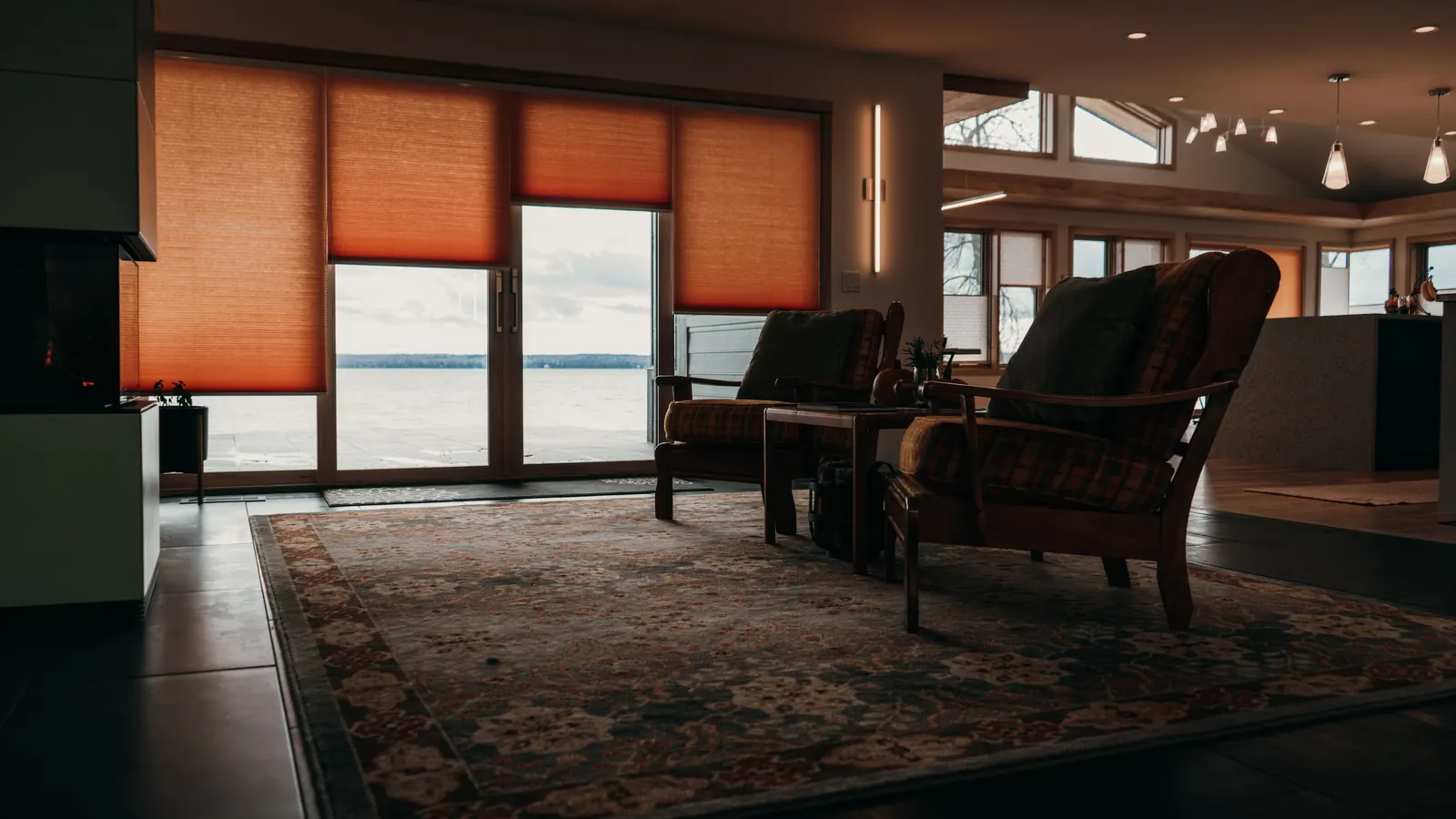
A cellular shade lowered halfway over a tall living-room window makes a clean horizontal band of pleated fabric, with the top of the glass left open to the sky. A light-filtering fabric glows when the sun is behind it, and a pale color keeps the window reading as part of the wall. Pick a neutral that matches the trim and the shade nearly disappears. Pick a color, such as a terracotta or a deep teal, and the window becomes the room’s accent, especially with a plain curtain pair hung outside it to soften the frame.
The Department of Energy’s cellular-shade factsheet describes the cells trapping air inside the shade and between the shade and the window, which makes a snug cellular shade the first candidate for winter heat loss. The same factsheet reports heating-energy savings of up to 20 percent against having no covering, under its test conditions. The air layer depends on the shade sitting close to the window, so a snug inside mount, or an outside mount that overlaps the frame generously, gives the honeycomb a fair chance.
Summer: stop the sun outside
PNNL’s guide cites DOE field studies of high-efficiency interior and exterior shades with whole-home cooling savings of 15 to 25 percent and winter heating savings of about 12 to 14 percent. For an afternoon room, notice when direct sun lands on the furniture and whether an awning, screen or exterior shade could go on that facade.
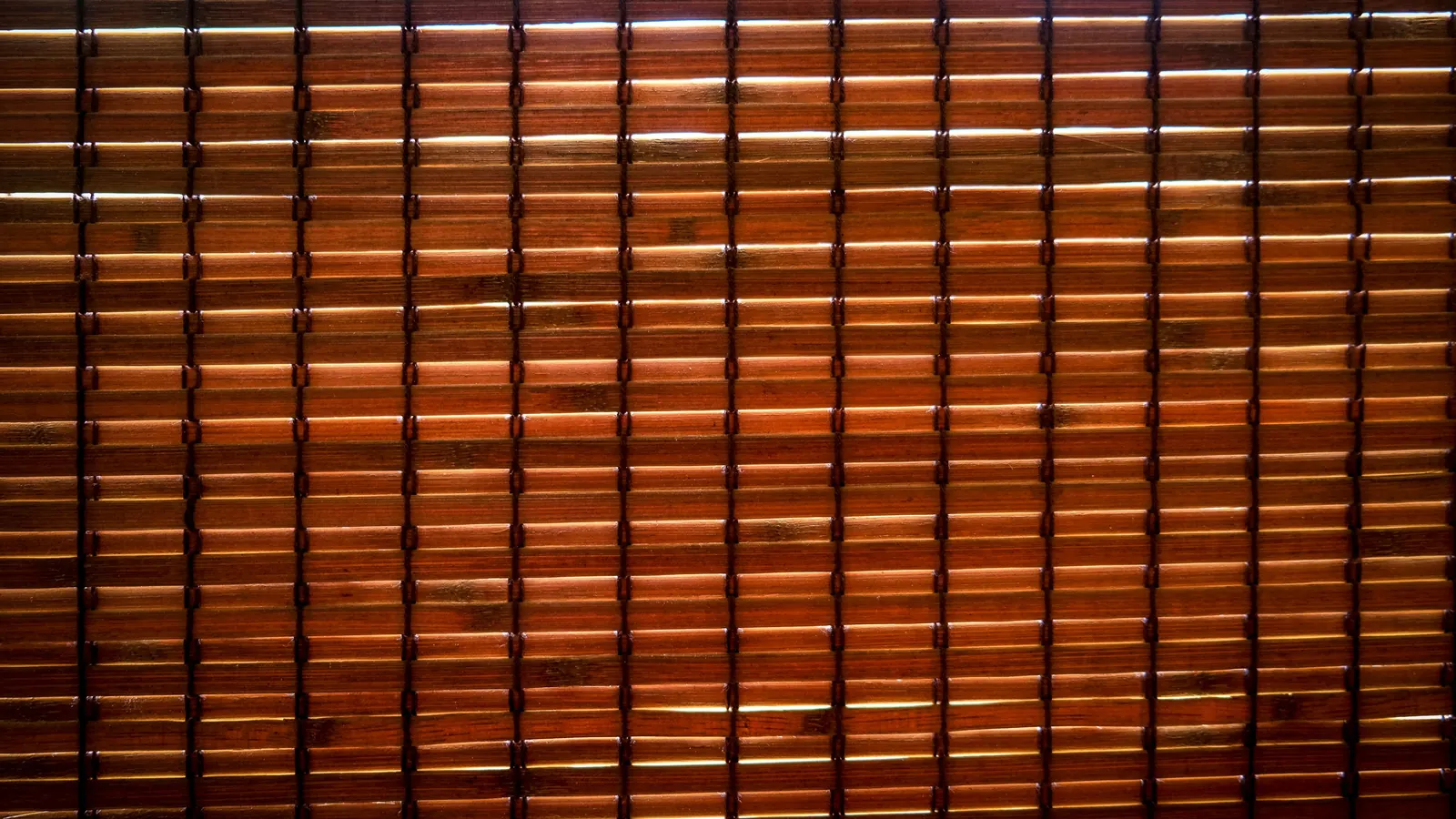
Outside, a fabric screen or awning over a west window throws a band of shade across the glass and a cooler, dimmer light into the room, and the view stays mostly intact. Inside, a linen or woven-wood treatment gives a sun-dappled, filtered glow instead. Glare control and heat control are separate jobs: a screen that preserves the view may still want a privacy layer in the evening, and blackout fabric addresses light, so a blackout pair needs its own evidence for any energy claim.
Ratings and curtains
A product rated by the Attachments Energy Rating Council has a result for a specific product and installation, and a rating logo on a brand page covers only the exact fabric, size, side channel and mount that were tested. A useful listing says whether the rating addresses winter or summer and which window it was measured against, and percentage claims worth trusting state their comparison. An outside-mount curtain and a tight-fitting interior panel have different geometry, so compare like installations.
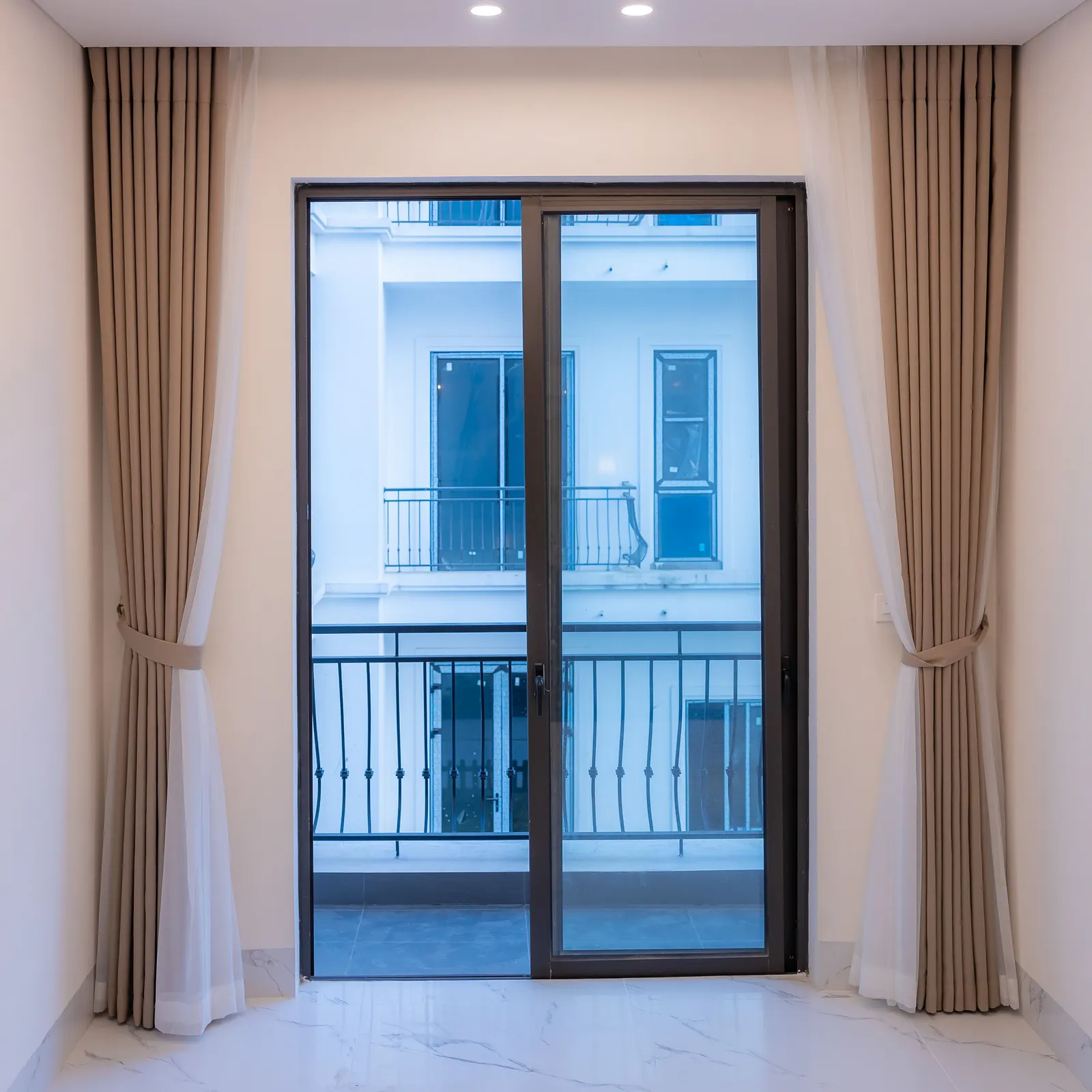
Curtains add privacy and a finish around another attachment, and PNNL notes that interior Roman shades and curtains offer some insulating value in winter. Gaps at the top and sides can weaken that, so look for lining, returns and a hem that reaches the floor. Keep fabric clear of heaters and vents, and leave the clearances they require.
Watch for condensation
PNNL warns that a closed interior insulating covering can leave the pane colder, so condensation or frost may form, and that this can lead to peeling paint, trim damage and mold. Its suggested fixes for shades are to keep the bottom rail about half an inch off the sill, open the covering by day so the window can dry, or improve the window itself. Persistent drafts or water at the glass point to a seal, glazing or humidity problem that a covering will leave unsolved.
A routine you will keep
For winter, open shades on sunny windows by day and close them at dusk. For summer, close them before direct sun heats the room. If you know you will forget, motorized or scheduled control can do it for you, provided the schedule suits each window’s orientation, since a shaded north window and an exposed west one want different routines.