7 Floor Lamp Ideas for a Living Room That Works After Dark
Try seven floor-lamp arrangements for reading, conversation, a sectional and layered room light. Plan the base, shade and cords alongside the furniture.
By DecoraMintPublished 4-minute readMore in Lamps
In this guide
Where does the light need to land: on a page, on the face across the sofa, or on the ceiling corner nobody looks at? Each answer puts the floor lamp somewhere different, and a lamp that serves none of them ends up as a handsome obstacle. Seven arrangements follow, each tied to one evening job.
Behind the shoulder of a reading chair
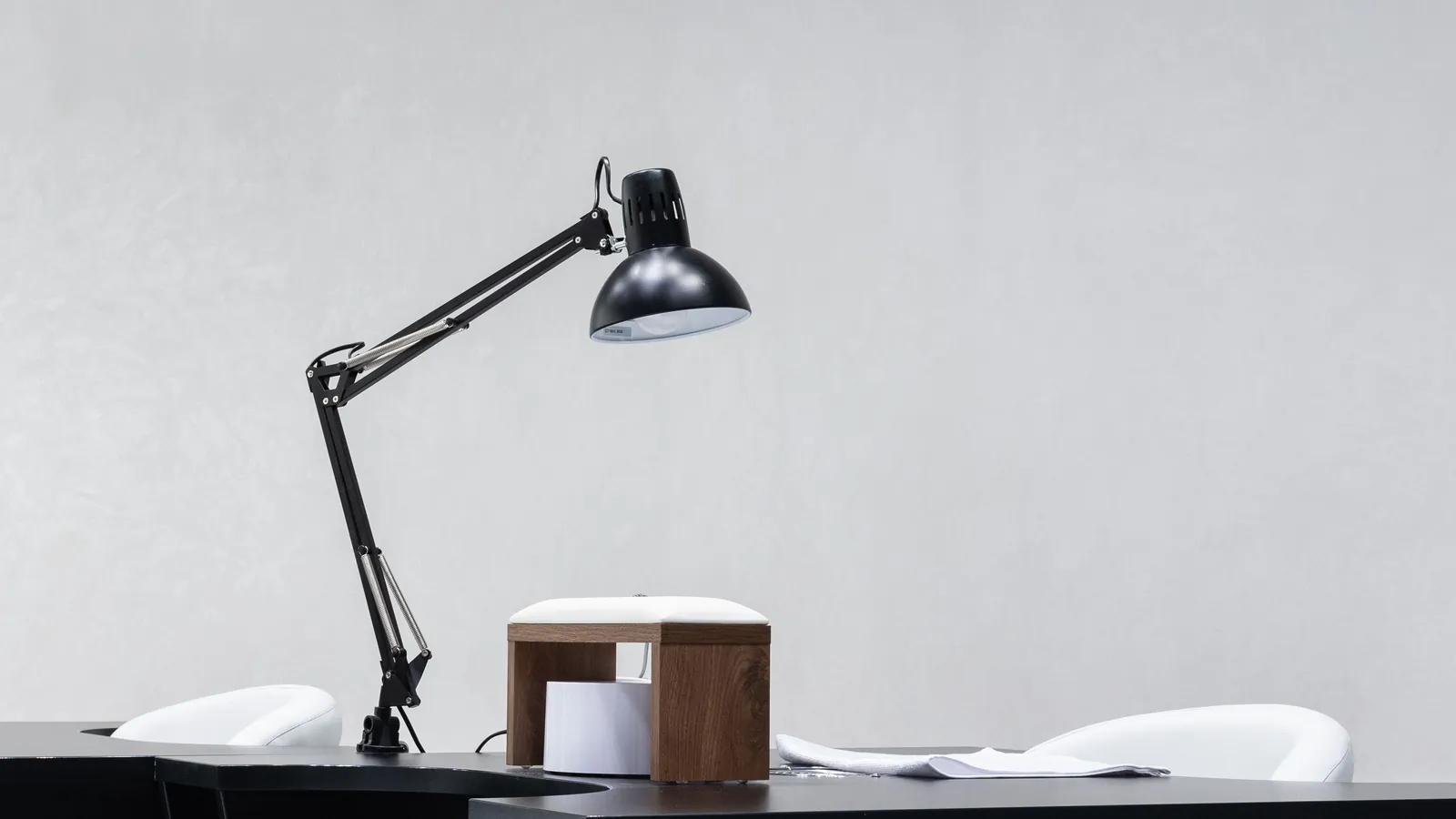
Put the lamp slightly behind and to the side of the chair, on the side away from the hand that turns pages or holds a pen, so your head and arm do not shade the book. Judge it by the page, not by the glow on the floor. An adjustable head helps because you can aim it as you settle. IKEA’s HEKTAR floor lamp is one example: IKEA lists the head as adjustable for reading, uplight or a focused spot, a height of 71 inches, a 12-inch shade, a 13-inch base and a 73 5/8-inch cord, with the bulb sold separately. We have not tested it, and these are IKEA’s figures. Leave room for the base and a side table so the corner stays easy to enter with a book and a mug.
A shaded lamp beside the conversation sofa
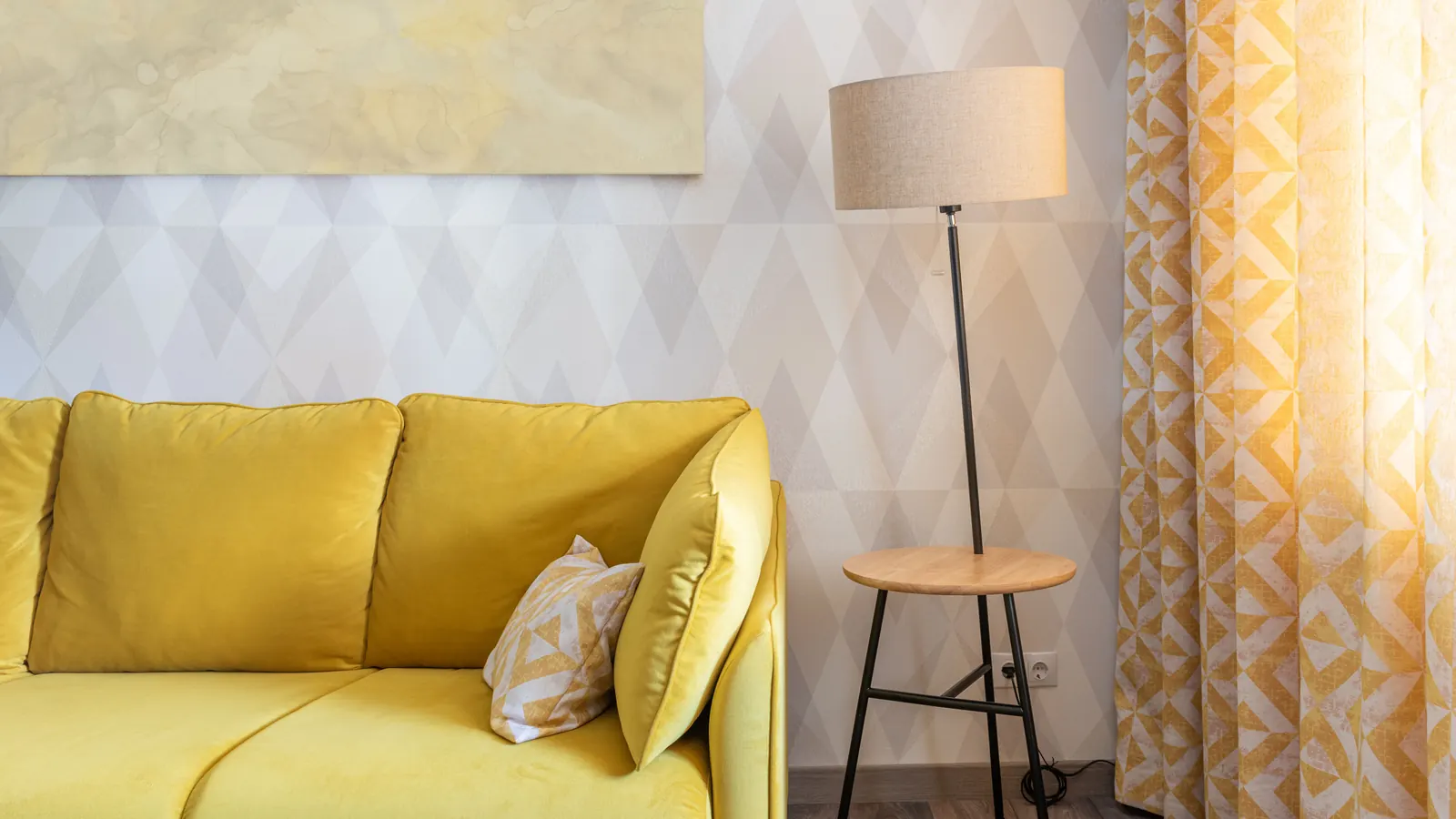
A fabric or paper shade turns the lamp into a lantern: it gives off a diffuse light that fills the corner and glows against the wall, which is what a seating area needs after dark. Sit in the low seats and look at it. A shade that hides the bulb from across the room can show the lamp once you sit close. A broad decorative shade adds atmosphere but gives little focused light, so pair it with another source if anyone reads there.
An arc that reaches over a seat
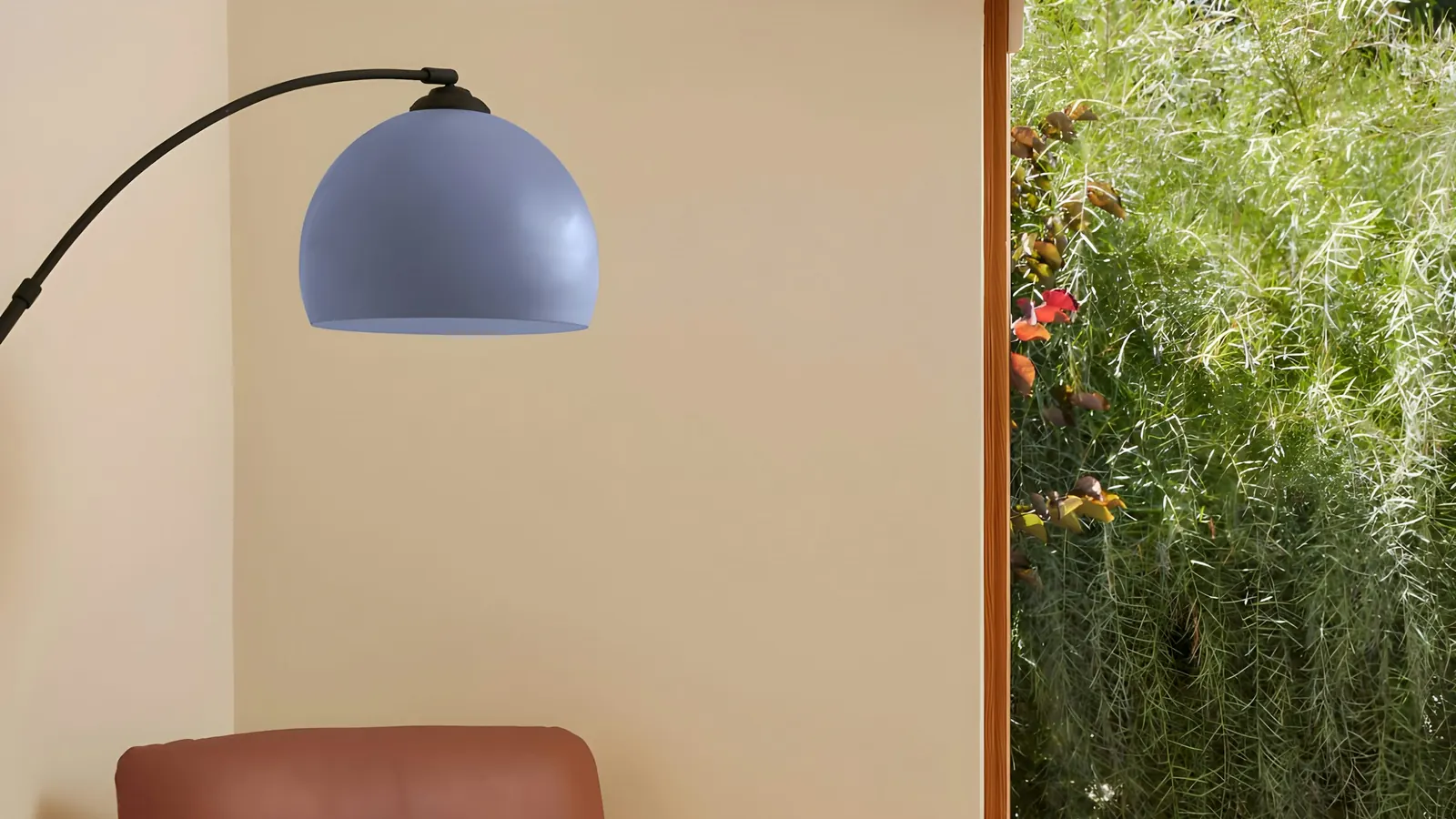
An arc carries the shade several feet from its base, so it can light a sofa or a chair without a table to hold a lamp. Draw the full curve and the shade’s projection, not only the base. Keep the base on a level floor in the arrangement the instructions describe, with the heavy foot clear of the sofa, and leave headroom where people stand up or pass. An exaggerated sweep helps only when the geometry fits the room.
The open end of a sectional
The end seat next to a chaise or an open arm often has no table. A slim lamp there gives that seat a job, and it balances a long horizontal sofa when seen from the entrance. Avoid turning a narrow gap into a cluster of base, side table and cables; if the corner gets crowded, move the lamp to the other end or use a wall light.
Layered with the ceiling light and a table lamp
A floor lamp is at its best on a separate switch from the other lights, so a reading evening, a movie and a dinner party can each use a different combination. If the lamp is dimmable, the Department of Energy’s fact sheet encourages using dimmers and notes that dimmer-compatible LEDs exist for fixtures on dimmable switches, so pair the bulb with a control it works with. Judge the layout at the settings you will use, not at full output. For a room with one sofa group and one reading chair, we would buy a shaded lamp for the sofa corner and an adjustable one for the chair, and put both on their own switch.
A slim vertical in a small room
A narrow lamp can add a vertical line beside low furniture, but a slender stem can stand on a broad base. Compare the full footprint, keep the route clear and leave access to drawers and doors. A dark finish that echoes a frame or a curtain rod recedes into the room; a bold shape turns the lamp into a feature. Our lighting collection shows the range.
Two lamps for two seats
A sofa for talking and a chair for reading need not share a lamp. Link them by finish, shade color or a repeated shape and let the function differ. Check what each person sees from their own seat: a light aimed at one reader should not shine in the neighbor’s eyes. Give each lamp one job, and skip a second lamp whose only purpose is to fill another corner.
Cords, bases and children
CPSC’s home electrical checklist treats cords in the path of foot traffic as tripping hazards, tells you to move any cord that has a rug or furniture resting on it, and warns against wrapping cords tightly, since wrapped cords trap heat. It also warns that a bulb of higher wattage than the fixture’s rating can overheat, so use the wattage printed on the lamp. Route the cable along a wall to the outlet and never across the room. A tall lamp on a narrow base can be knocked over by a child or a pet, so stand it behind a chair or sofa arm, away from play areas, and choose a heavy, wide base if little ones are around. A lamp standing partly under furniture, or on a rug edge, loses its stability.