Flush Mount Ceiling Lights: Choose the Profile, Output and Controls
A low profile keeps a fixture out of the way, but it says nothing about brightness. Compare depth, diffuser, light output and dimming for the room and ceiling you have.
By DecoraMintPublished 5-minute readMore in Lighting
In this guide
In a room with an 8-foot ceiling, every inch a fixture hangs down matters. A flush mount sits tight to the ceiling, with no stem for a tall person or a swinging door to find, which makes it a natural choice for entries, hallways, kids’ rooms and bedrooms. The catch is that “low profile” describes the shape and nothing about the light, so brightness, glare and dimming all need their own answers.
Choose in two passes. First the physical fit: depth, diameter, the electrical box and where the fixture will be used. Then the light itself: output, color, diffuser and controls.
Flush, semi-flush and everything between
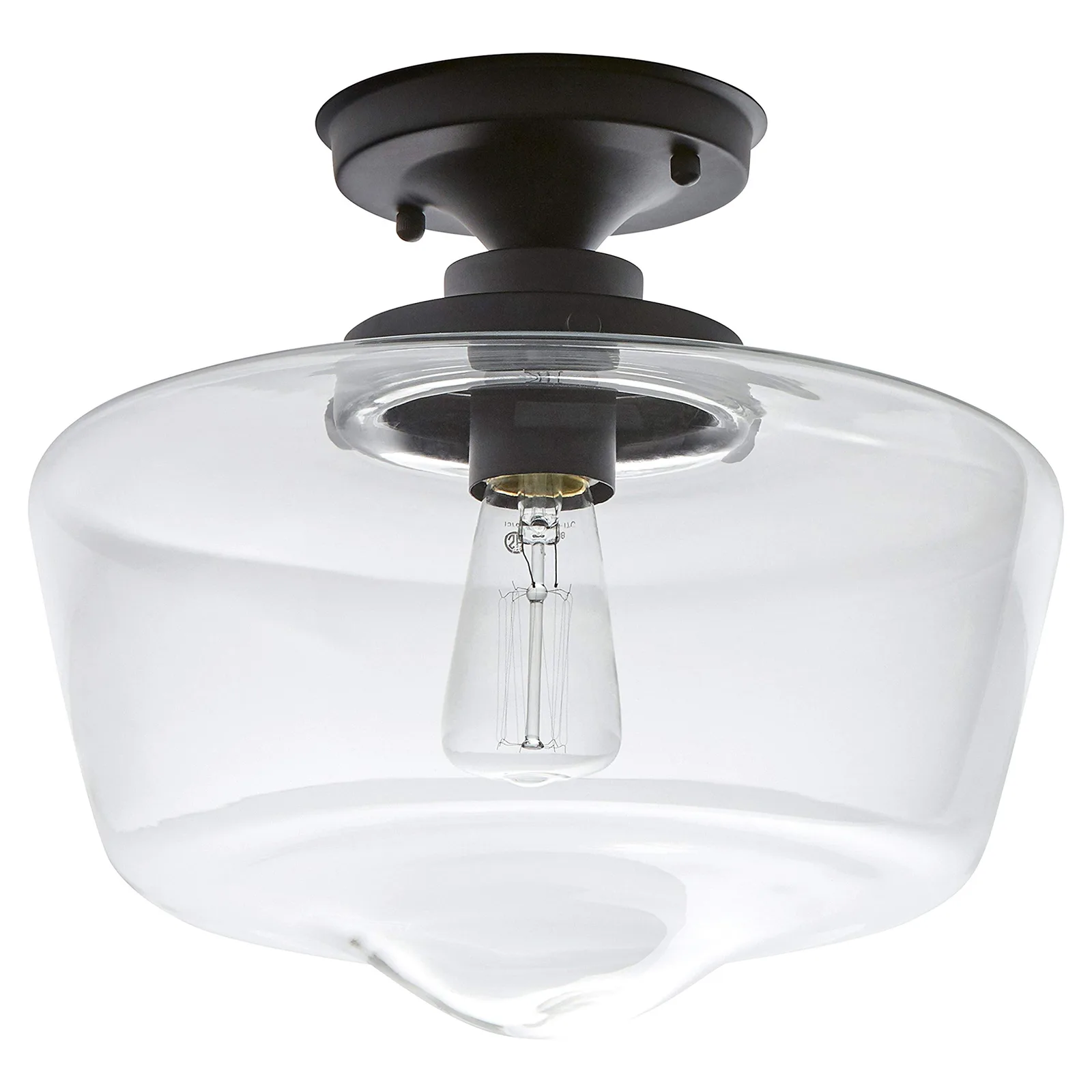
A flush mount sits against the ceiling; a semi-flush hangs a short distance on a stem or similar spacer. Maker naming is loose, so go by the installed height in the specifications. Kichler’s flush-mount lighting category groups both as compact general lighting, and within that group depth and light distribution vary widely.
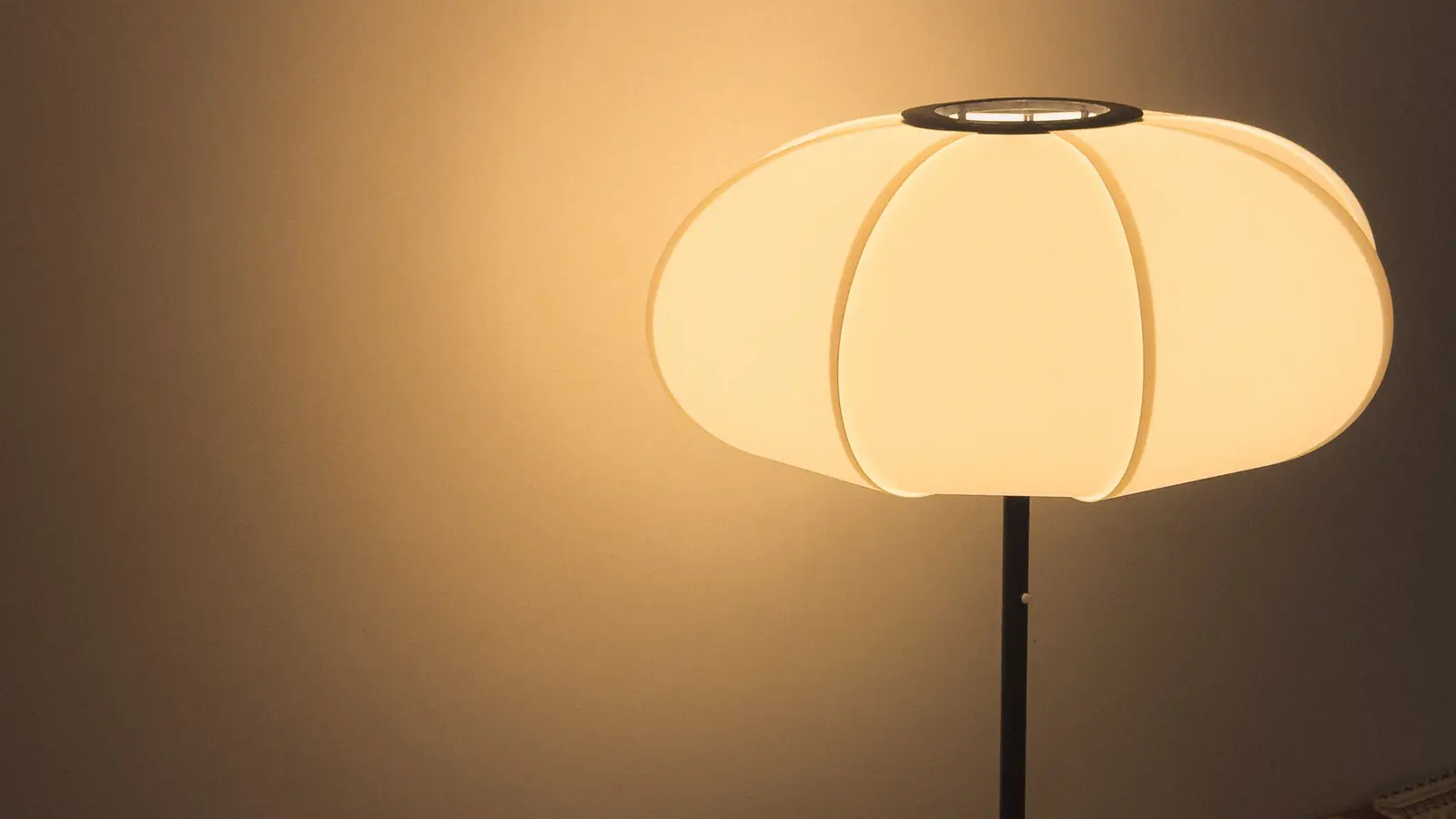
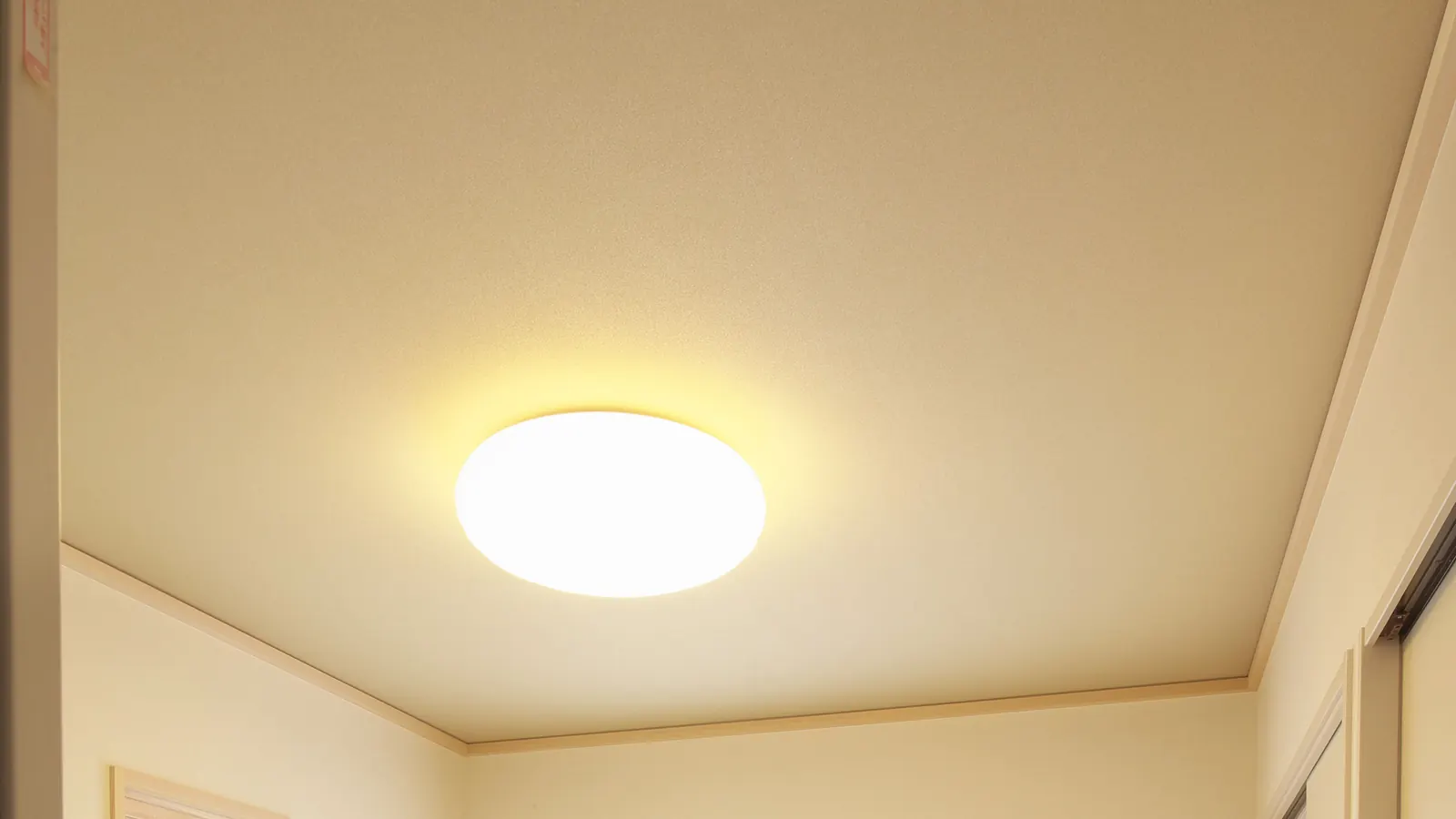
A shallow enclosed disc almost disappears and gives a smooth, even glow. A bowl or dome adds a little depth and a round shape that reads as a gentle moon on a pale ceiling. A drum with a fabric shade glows warmly through its sides and suits a bedroom, though the fabric needs care. An open multi-arm design shows its bulbs, which looks lively and decorative but puts the light source in the sightline of anyone on the sofa or in bed. Some semi-flush fixtures send light above the shade as well as below, depending on construction, and that brightens the ceiling.
Low ceilings and awkward spaces
Subtract the fixture’s installed depth from the ceiling height to find its lowest point. A fixture that projects 7 inches below a 96-inch ceiling bottoms out about 89 inches above the floor. That is a planning figure to share with your installer, not proof that the installation meets code. Then look at the neighbors: door swings, cabinet doors, ceiling fans and sloped sections. A wide, shallow fixture can strike a door that a narrow, deeper one would clear.
Paper cutouts help. Trace the proposed diameter on paper and lay it on the floor or draw it on a plan to judge how much ceiling it fills. Never attach anything insecure overhead for a trial. In a small entry a plain disc keeps attention on the door; in a bedroom a more sculptural shape can act as a focal point without a pendant’s drop; in a long room, one large fixture still leaves the far end dim.
The electrical box is rarely centered where you would like the light. Decide whether to live with its position or ask a qualified electrician about moving it before choosing a fixture whose shape depends on being centered.
Brightness, warmth and glare
The Department of Energy’s lighting guide defines lumens as light output and kelvins as color appearance, and the two should be read separately. Wattage alone does not compare brightness across lighting technologies. A broad decorative shade can hold a modest source while a compact integrated fixture puts out a lot, so diameter does not predict brightness either.
Skip a single lumen target worked out from floor area. Dark floors, deep wall colors and obstructions all change how bright a room feels, so ask the maker for distribution information or seek a lighting plan if the room is demanding. Match the color temperature of the fixture to the lamps lit at the same time; a cool ceiling light over warm lamps looks off, especially on pale walls. If the fixture has selectable color temperature, find out where the selector sits after installation.
Diffusers change what you see. A frosted cover shows a smooth glowing surface; clear or open designs show bright points. Frosted glass can still glare when the source is strong and the angle is low, so judge it from where you will be: lying in bed for a bedroom, on the sofa for a living room.
Dimming and bulbs
Dimming turns one fixture into several moods, but only when the fixture, bulbs and wall control are compatible. A replaceable-lamp fixture depends on the bulb and the dimmer; an integrated LED fixture depends on its driver and the dimmers approved for it. Give your installer the model of any existing dimmer.
If the fixture takes replaceable bulbs, stay within the allowed base, size and maximum wattage on its label, including any limit for enclosed fixtures. For integrated LEDs, find out whether the module or driver can be replaced and what the maker supplies if one fails.
Look at how the cover comes off before you buy. Small screws, a heavy glass bowl or a clumsy retainer make cleaning a chore. Allow for safe access, and never balance on furniture to reach it.
Bathrooms and other damp rooms
Location ratings matter in baths and laundries. UL’s luminaire marking guide describes dry-location fixtures as intended for places not normally subject to dampness, damp-location ones for spaces normally or periodically subject to condensation, and wet-location ones for places where water can drip, splash or flow onto the equipment. A fixture suited to a dry bedroom is not automatically suited to a bathroom; look for “suitable for damp locations” or “suitable for wet locations” on the fixture itself, and ask the installer which one a spot over a tub or shower needs. The National Electrical Code calls for damp-location listing, or wet-location where shower spray can reach, within 3 feet horizontally and 8 feet vertically of a tub rim or shower threshold, and local code governs.
Have the installer also confirm the supply, box, support and controls for the specific product. Do not add a decorative cover around an installed fixture, which changes the installation and the space around the light source.
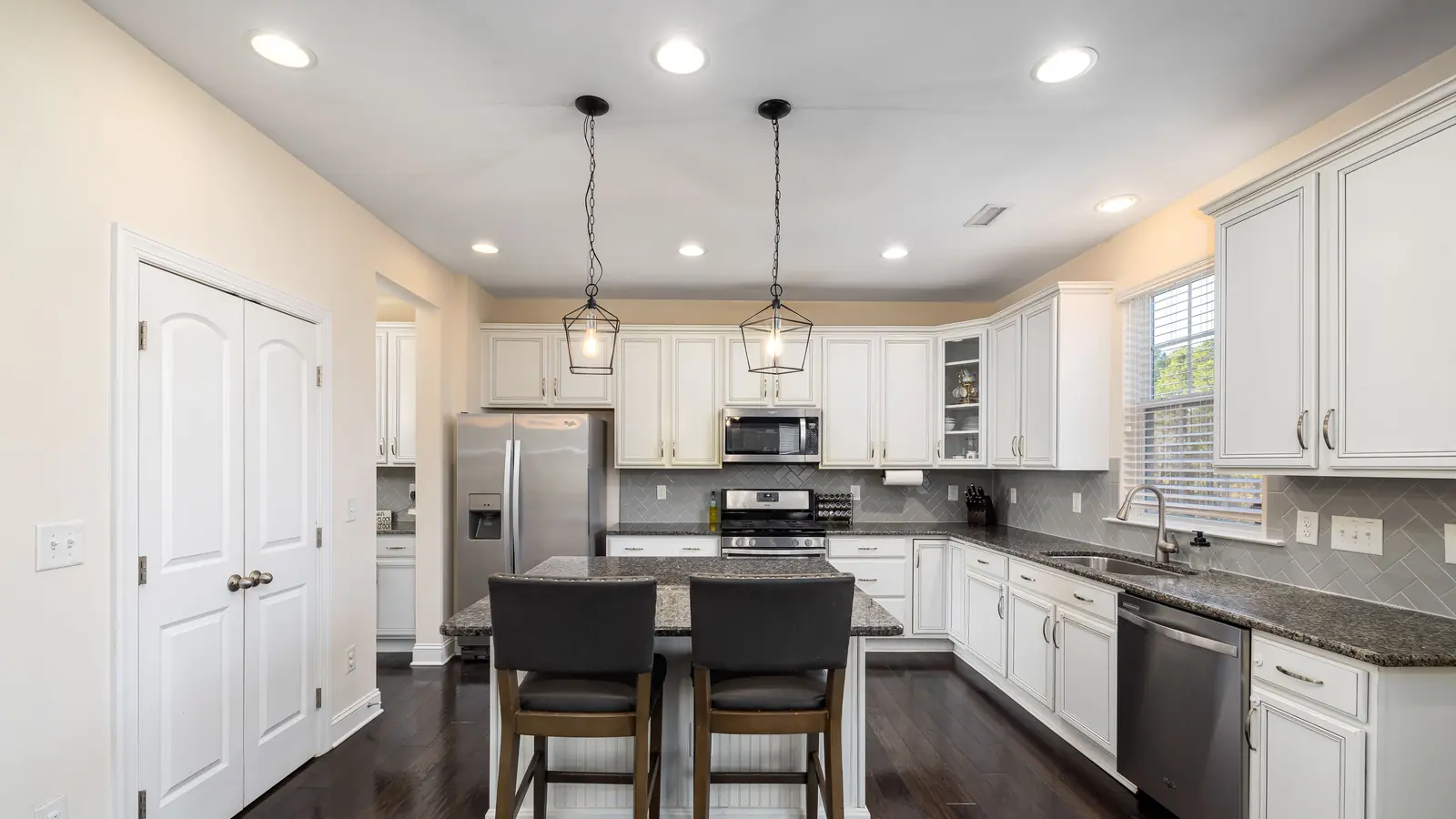
A flush mount differs from a recessed light: its body stays at or below the ceiling surface, whereas a recessed fixture sits in an opening with its own housing, and their installation requirements differ. For a room with reading or task needs, treat the flush mount as the general layer and add lamps for the rest.