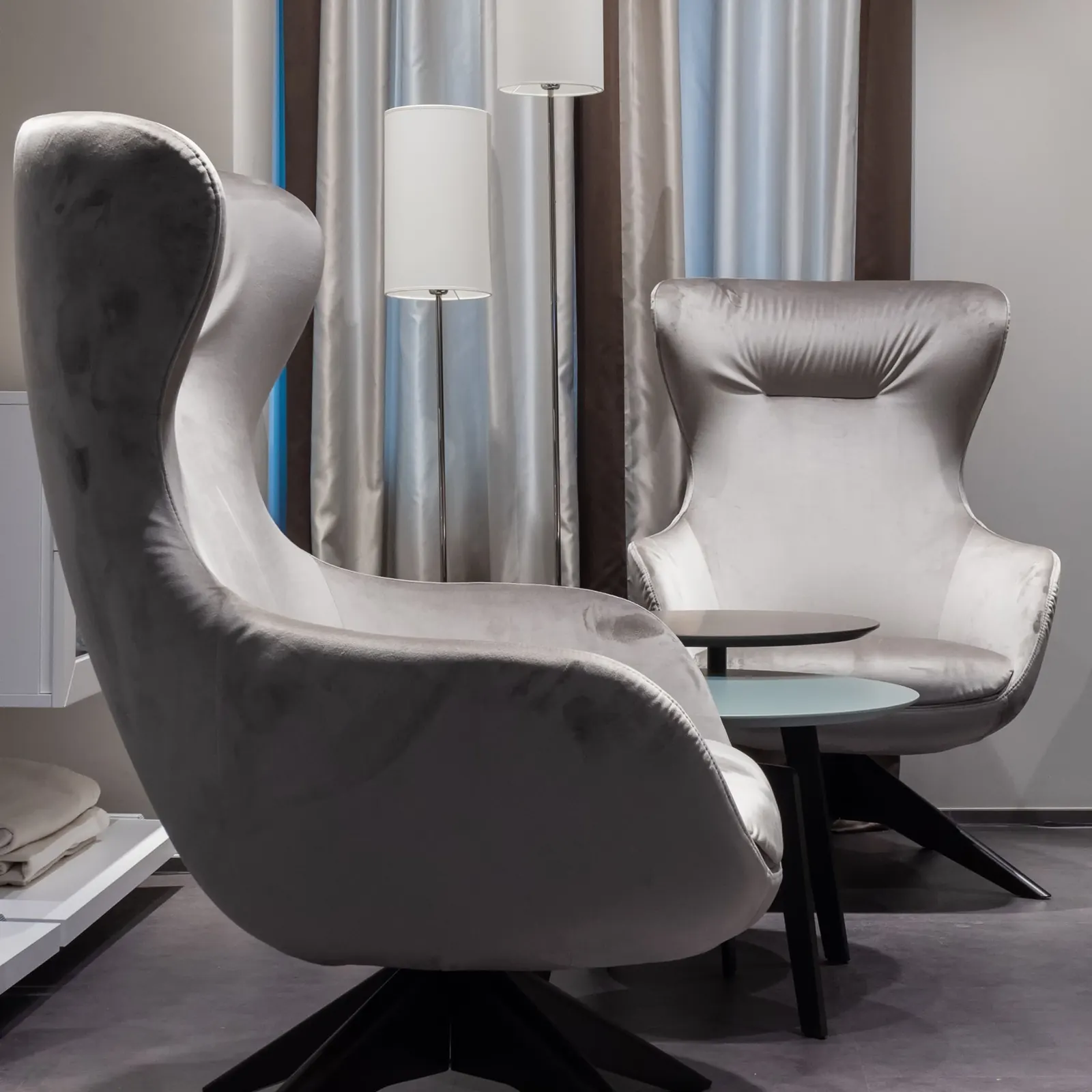
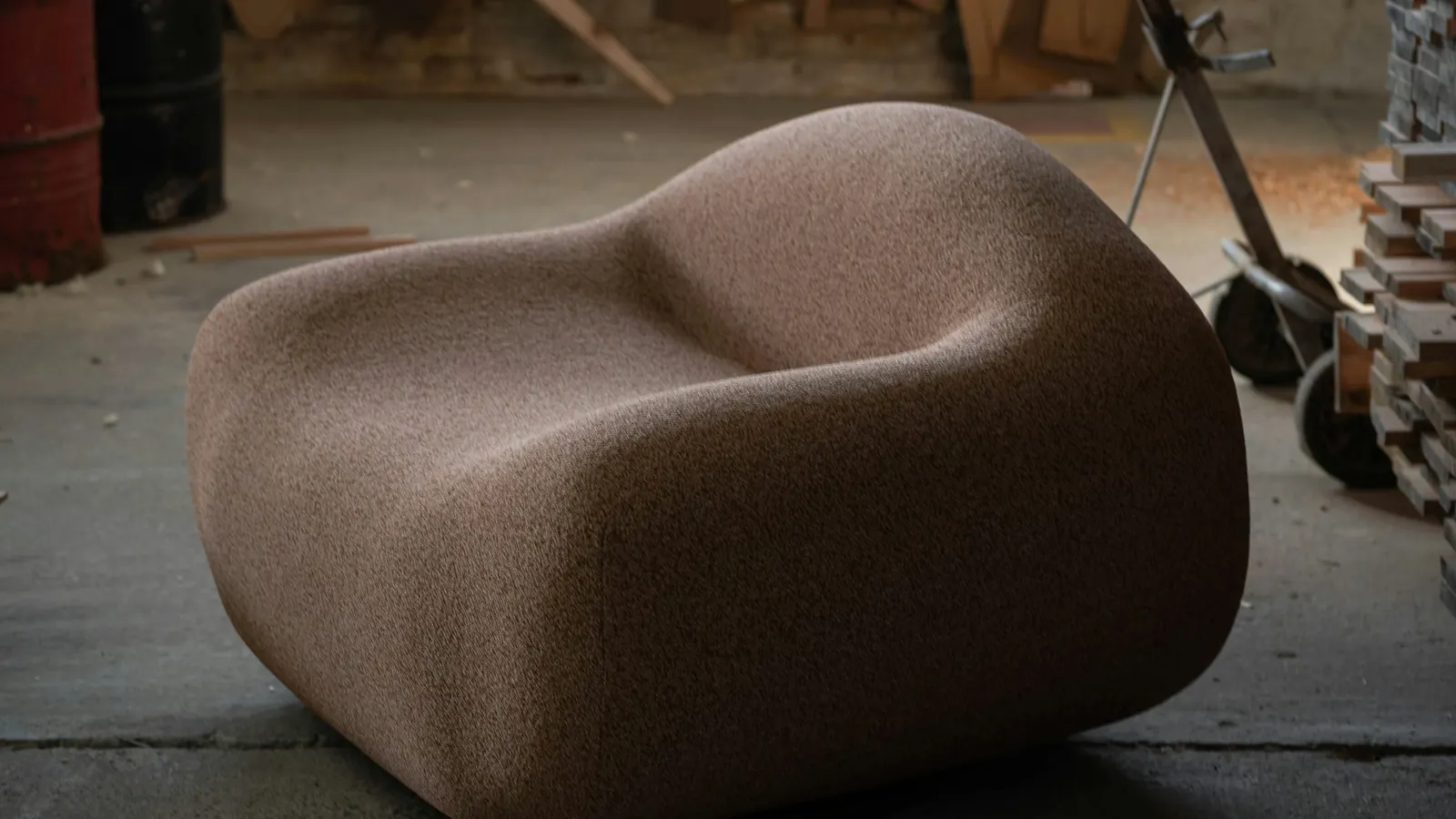
Lounge Chairs: Choose the Seated Position and the Whole Relaxing Setup
Reading upright with a footrest, leaning back to watch a screen and stretching out on a chaise need different chairs. Start with the position you want, then the footprint around it.
By DecoraMintPublished 4-minute readMore in Accent Chairs
In this guide
The best reading corners are small arrangements: a deep chair angled toward the window, an ottoman for your feet, a table at the height of your elbow and a lamp that throws light over one shoulder onto the page. A lounge chair is the anchor of that group, and the one you should choose first, once you know how you like to sit. Reading upright with your feet up, leaning back to watch a film and stretching out full length each call for a different chair.
Five ways to lounge
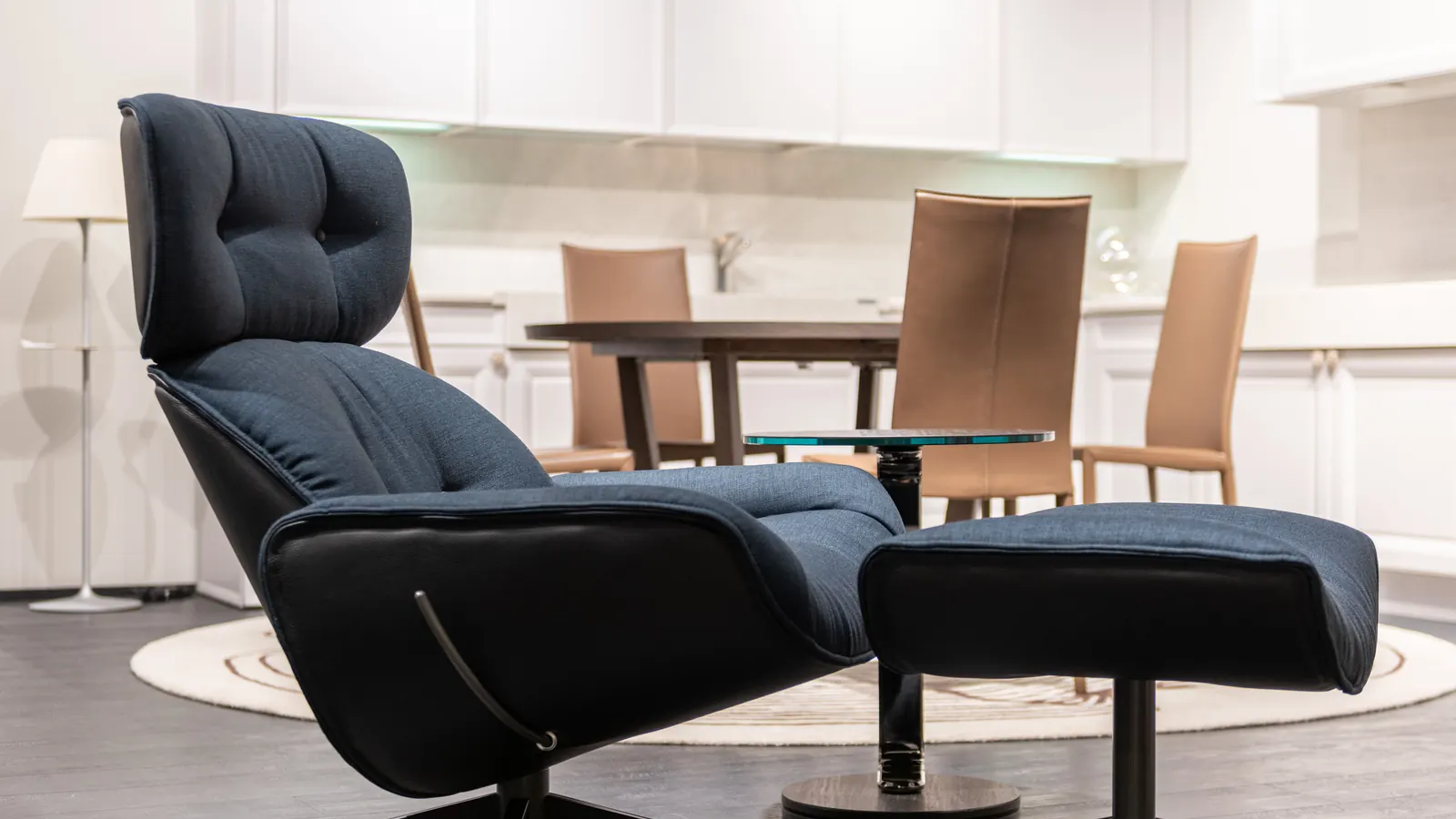
A fixed lounge chair gives one settled position and asks for little floor beyond your legs and a table at the arm. A chair with an ottoman puts your feet up wherever you want them, at the price of the ottoman, the gap between and a path around both. A recliner is upright one moment and tipped back the next, and it needs its full open footprint from the instructions. A chaise stretches you out almost like a daybed, so it needs its length, the side you get on from and a way past the foot. A swivel lounge chair turns between the view, the TV and conversation, and it needs a full rotation with someone sitting in it.
The categories overlap. A swivel chair may recline, and the ottoman in the photo may be sold separately, so read the mechanism and the included pieces in the listing.
Start with your favorite position
Think about the hour you will spend in it. Do you hold a book in your lap or rest it on a table? Feet on the floor, or up on something? Head supported, or sitting more upright? That quickly narrows the shapes.
Then sit in the model if you can, in your usual position, and stay long enough to shift around and stand up again. First-touch softness is a poor guide; the seat depth, arms and back have to suit your body together. Comfort is personal, so treat claims about posture or pain relief as marketing.
Seat size versus overall size
Overall width includes the arms and frame, and the usable seat is what is left. A generous-looking chair with thick, rolled arms can have a modest seat. Overall depth describes the chair at rest, while a recliner needs the extra clearance its instructions specify.
Seat height sets the mood as much as the comfort. A low, deep chair reads relaxed and modern, with long horizontal lines and a feeling of sinking into the room. It is harder to get out of and less friendly to anyone who likes to sit upright. A higher seat with slimmer arms looks lighter and suits a small room where the chair shares space with a sofa. If a chair only feels right with a pillow wedged behind you, the depth is wrong for you.
A classic fixed chair
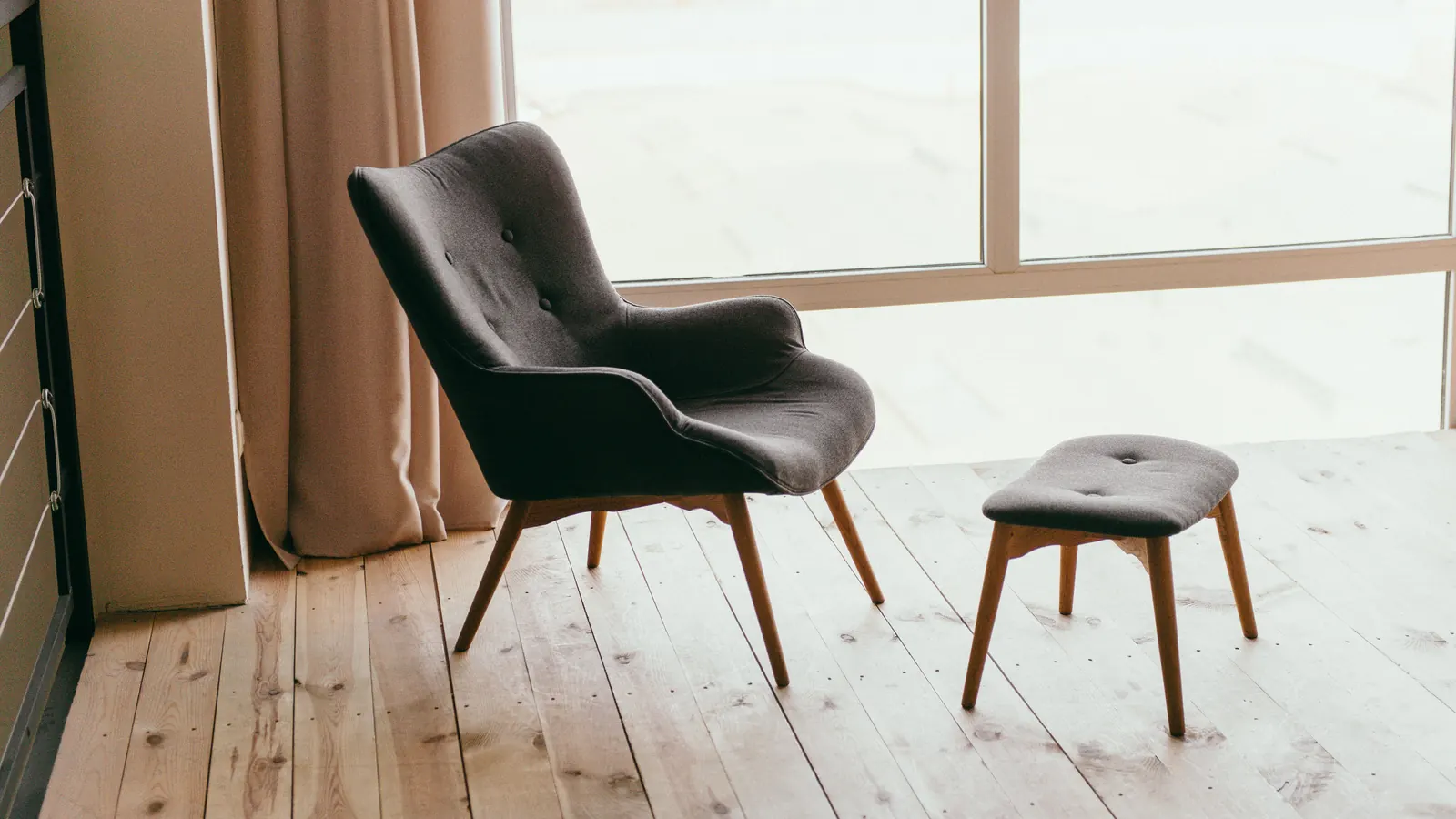
IKEA’s POÄNG armchair in birch veneer with the Knisa light-beige cushion is a familiar fixed lounge chair: a layer-glued bent-wood frame that IKEA says gives it a comfortable resilience. The pale birch and light cushion keep it airy, so it works beside darker wood or a rug with some pattern. The footstool in IKEA’s photos may be a separate purchase, so check what the order includes. Cushions in the same range can have different care instructions. We have not tested it, and the page does not confirm local stock.
Give the ottoman its own floor space
A separate ottoman lets you put your feet exactly where you want them, and it doubles as a perch or a tray table. It is also a second piece on the floor. Tape out the chair, the ottoman and the gap between them, then add the path you take to sit down and get up. Decide where it goes when people are talking or you are vacuuming, because a chair parked in the walkway gets tripped over. Use it within its stated load. Sit on it only if it is sold as a seat.
With a built-in leg rest, measure the chair fully extended, since the closed size understates the footprint.
Add the table and lamp
Place the side table where your hand naturally falls from the seated position. If the chair reclines, reach again with the back tipped. Set the lamp so the light falls over your shoulder onto the page without glaring into anyone else’s eyes, and keep its base and cord out of the walkway. With a swivel chair, one full turn should clear the lamp and its cord.
Altogether this takes floor space. A chair that fits on its own can crowd a room once the ottoman and table join it, so plan the whole group from the start.
Fabric and getting it home
Look at the care instructions for the exact cover and cushion; a removable cover is not necessarily machine washable, and the wood or metal frame may need different products from the upholstery. Hold swatches beside your sofa, rug and floor in daylight and in lamplight. Texture does a lot of work in a corner like this: bouclé or wool reads cozy, leather or smooth linen reads cleaner, and a pale fabric shows every cup of coffee.
Before delivery, measure the route in, around corners and up stairs against the size of the box or assembled chair. Remove only the parts the instructions say can come off, such as legs or the back, and read the return policy, including any freight charge. Our furniture collection has the tables, lamps and other seating to build around it.
One check settles a lot: sit in your usual position long enough to settle, then stand up without using your hands. The chair that passes is the one to buy.