Modern Accent Chairs: Choose a Shape That Works in Your Room
A modern chair earns its place by giving the room what it lacks: an open frame beside a heavy sofa, a curve among straight lines, a swivel between two views. Shape first, color last.
By DecoraMintPublished 3-minute readMore in Accent Chairs
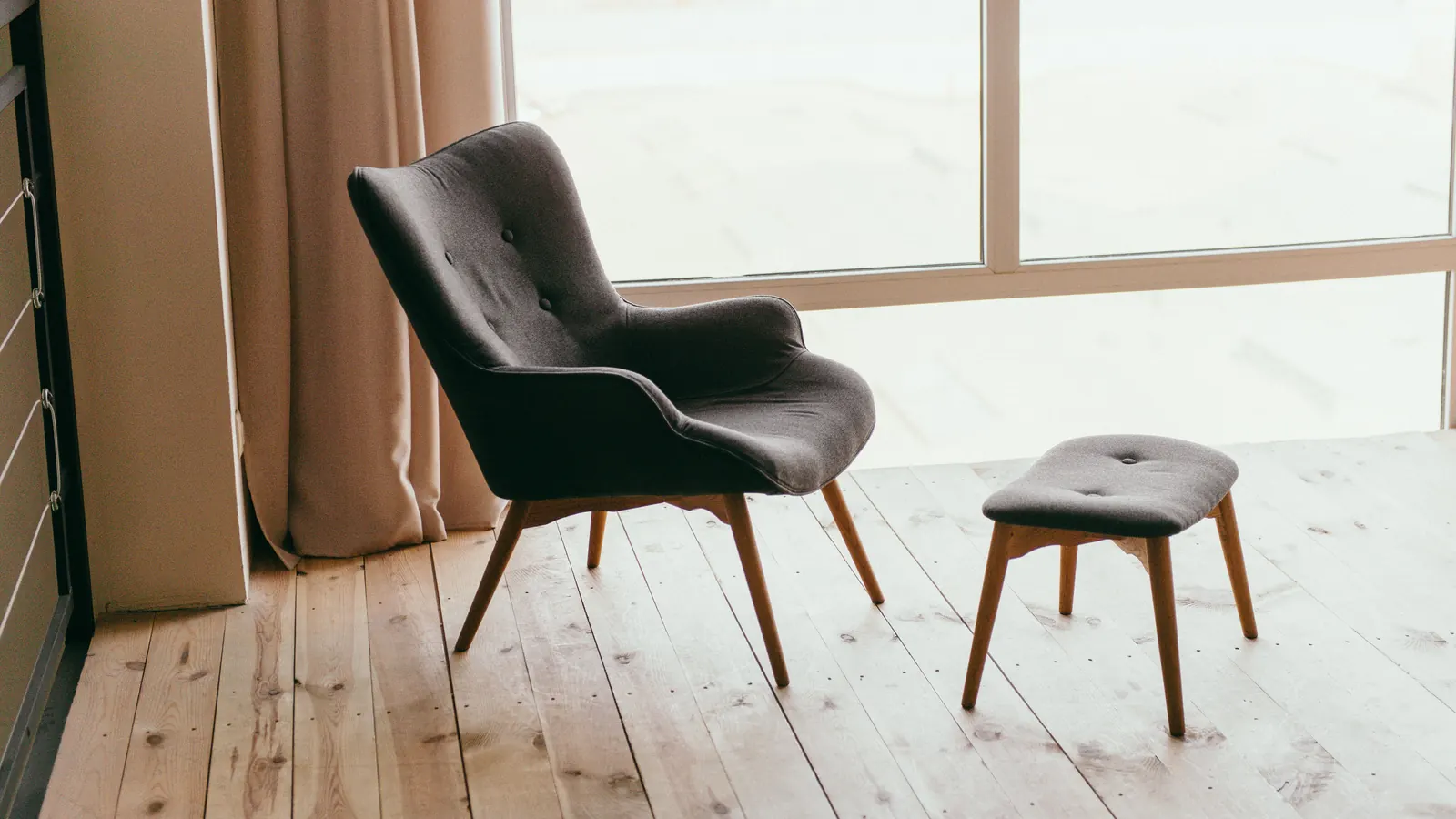
Set a long, boxy sofa across from a chair with a rounded back and a pair of thin wooden arms, and the room breathes out. The sofa’s heavy mass sits against a curve and a gap of air, and your eye has two things to look at instead of one. That is what a modern accent chair is for: it supplies the shape the seating group is missing.
Start with the role. A conversation chair has to let you face another person comfortably; a chair for long reading sessions needs a position you can hold with a book and a light in place. The silhouette comes after that, and the color after the silhouette.
Silhouettes
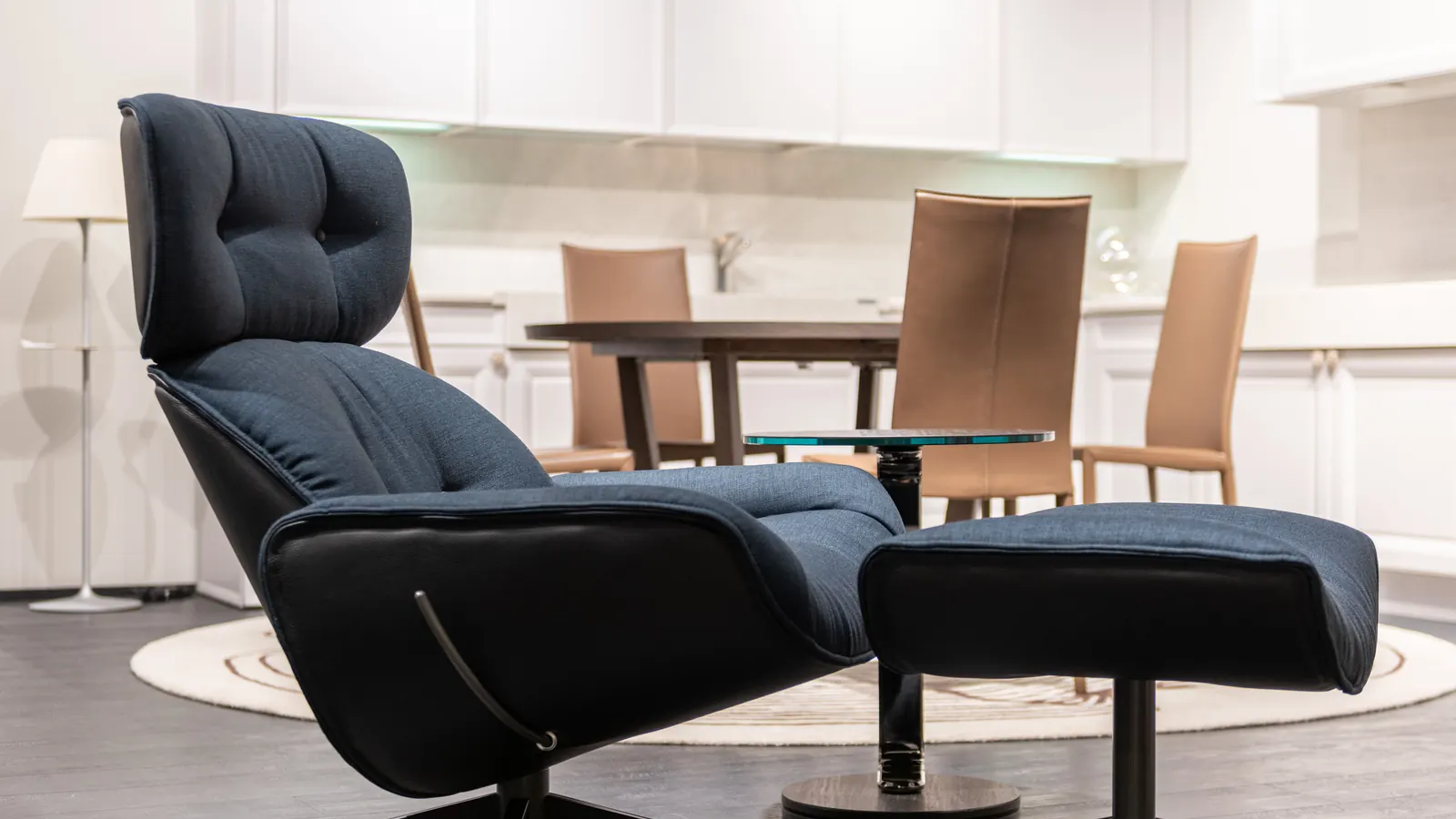
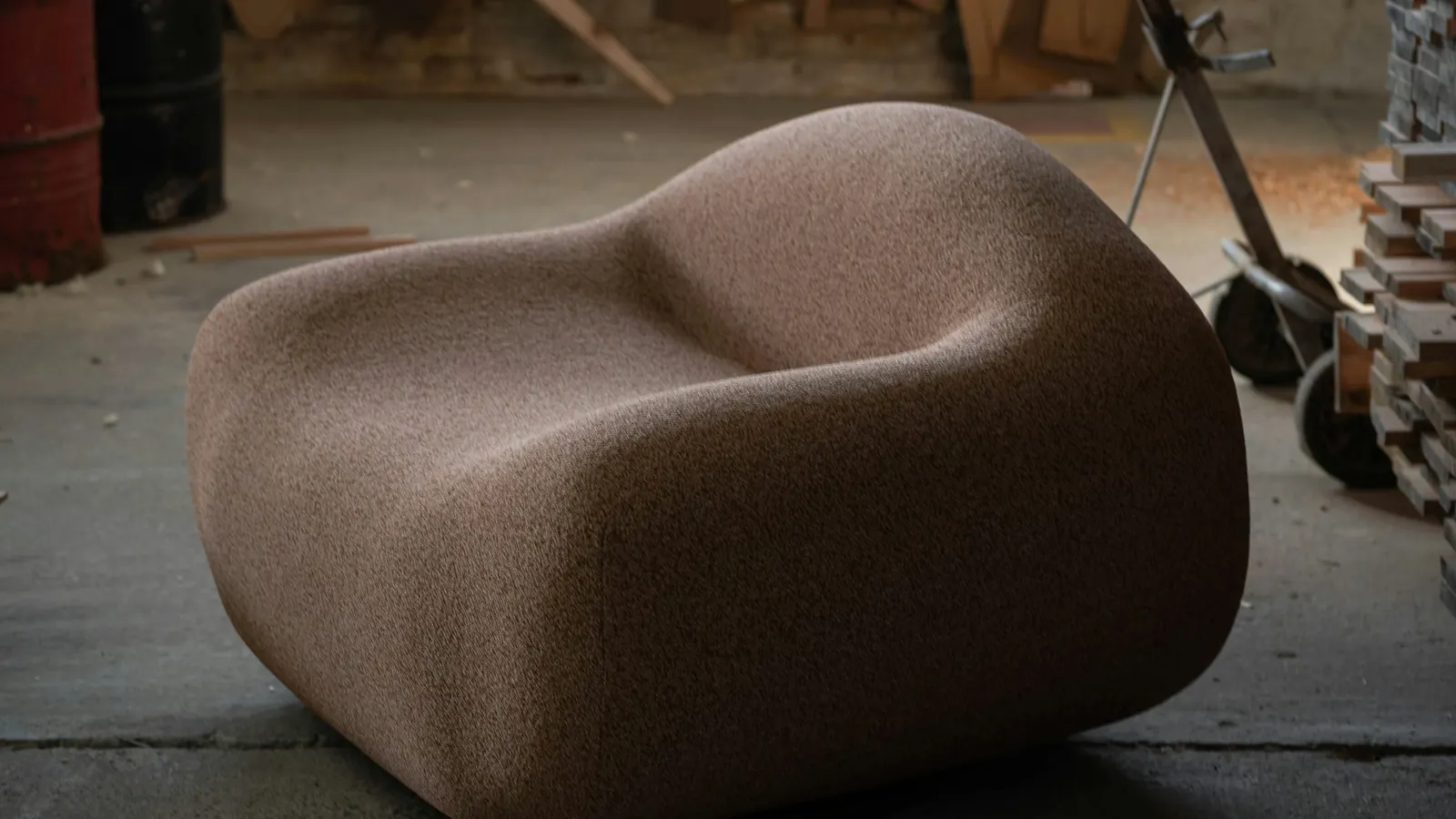
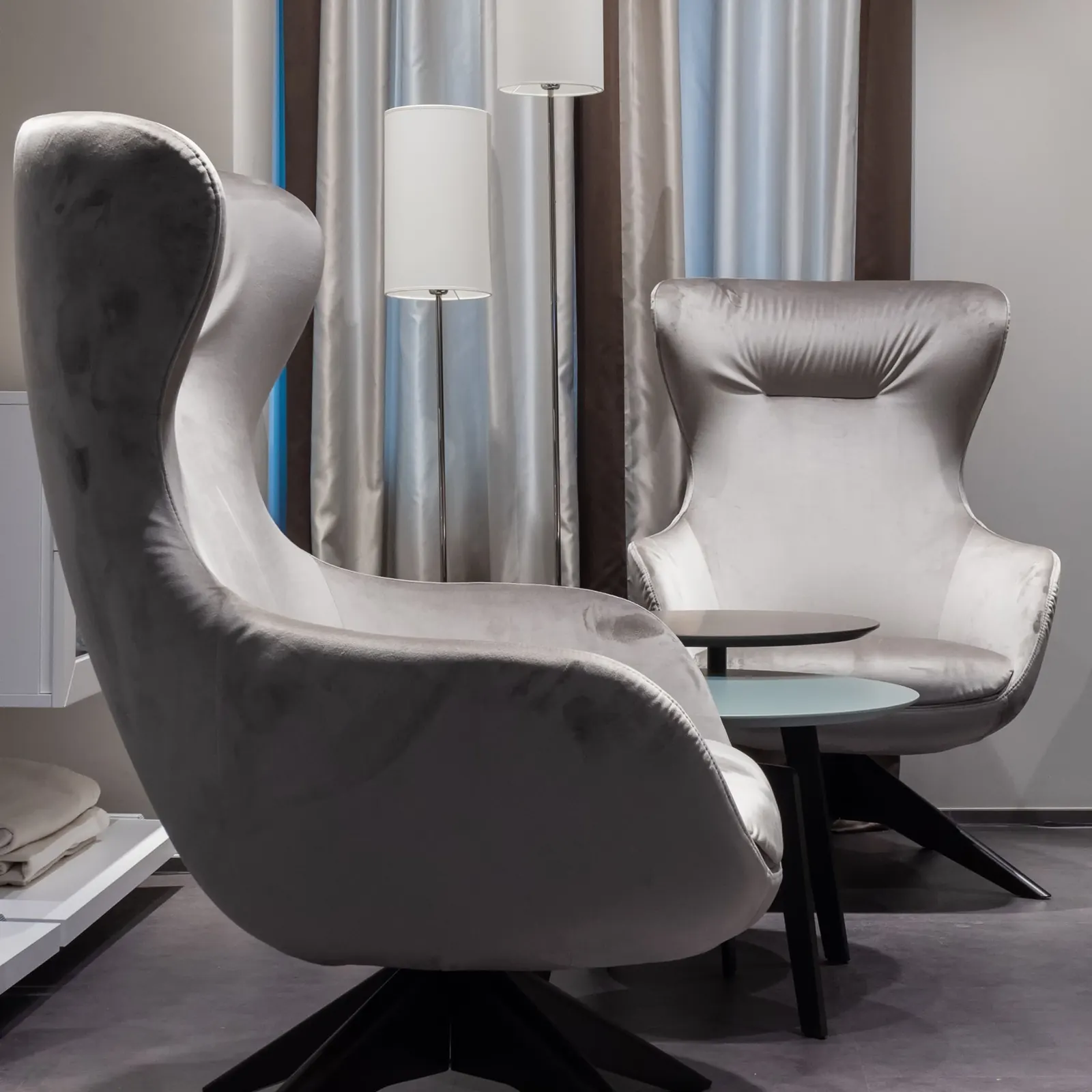
An exposed wood frame shows its construction and leaves gaps around the seat, which keeps a small room airy; try the arm shape and the pressure at the front edge of the seat. An upholstered barrel gives a continuous curve against rectangular furniture, though its sides may restrict how you like to sit. A low swivel turns between conversation and a view, so test getting up, turning clearance and back support. A high-back lounge shape makes a tall, enclosed corner and may call for an ottoman to rest the legs.
These are design comparisons, not performance rankings. Two chairs with similar silhouettes can sit very differently because cushion, seat angle and back change how the body rests.
Two documented designs
IKEA’s POANG in dark green with a Knisa light beige cushion has a visible layer-glued wood frame and a separate cushion. The listing gives a 16 1/2-inch seat height. Its open frame suits anyone who wants wood to stay part of the room; the lower seating position deserves a trial before you order.
The DYVLINGE swivel chair in Kelinge green is padded and armless on a five-leg base, and IKEA calls it a reworking of its 1967 MILA design. The listed cover is non-removable and must not be washed, a trade-off against its shape and turn. These notes come from the manufacturer pages without hands-on testing, so comfort remains unverified, and neither chair is an overall winner.
Scale and placement
In a large room, two generous chairs can define a conversation zone opposite a sofa. In a compact corner, one expressive chair can be enough. Leave space around a swivel so it can turn fully without hitting a table or wall, and keep a path past the chair.
With a curved sofa, an exposed wood chair adds structure without another large upholstered mass; repeat one wood tone or metal finish elsewhere so it feels tied in. With a boxy sofa, pair a rounded chair with a table of simple outline, since repeating the sofa’s squared arms in the same dark color can make a group dense. Lamp placement matters: set the light where it falls on the activity, and give the sitter a reachable surface.
Upholstery
A pale, textured weave shows shadow and surface variation, soft and quiet in daylight. A smooth dark fabric makes the outline read strongly and looks crisp against a pale wall. Looks do not predict stain resistance, so ask about removable covers, permitted cleaning methods and whether the fabric can be replaced. If pets snag loops or children use the chair daily, compare the weave and care instructions for that exact fabric, since “performance” on a label needs product-specific backing.
An ottoman is worth buying only if it improves how you sit and its footprint fits. In a shared conversation group, compatible seat heights are more useful than identical covers, and a swivel is not a recliner: turning and reclining are separate mechanisms.