Pouf or Ottoman? How to Choose a Footrest, Seat or Accent Piece
A soft pouf can be a poor place for a drink, and a firm ottoman can be the wrong footrest height. Decide the job, then check structure, filling and care.
By DecoraMintPublished 4-minute readMore in Furniture
In this guide
Pull a pouf up to the sofa and it becomes a footrest; a guest sits on it; someone sets down a mug. Only one of those uses may be what the maker had in mind. A soft, rounded pouf can be a poor drinks surface, and a firm ottoman can sit at the wrong height for the chair beside it, so decide the job before the fabric.
Retailers use pouf, ottoman and footstool for overlapping shapes, so the stated use matters more than the name. IKEA’s ottoman category includes designs for foot support, seating and storage, which is a reason to read each specification.
Pick the one job you would miss
Footrest, occasional seat, storage or a surface beside the sofa: name the one you would be unhappy to lose. A footrest that is comfortable but cannot hold a tray may suit your room perfectly well. A storage ottoman that is too tall for your chair will not.
| Main use | What to look for | Common mismatch |
|---|---|---|
| Footrest | Height against the occupied chair | Buying by matching fabric |
| Occasional seat | Stated seating use, capacity, stability | Assuming a decorative pouf takes an adult |
| Side surface | Stable top, intended use | A hot drink on a soft rounded cushion |
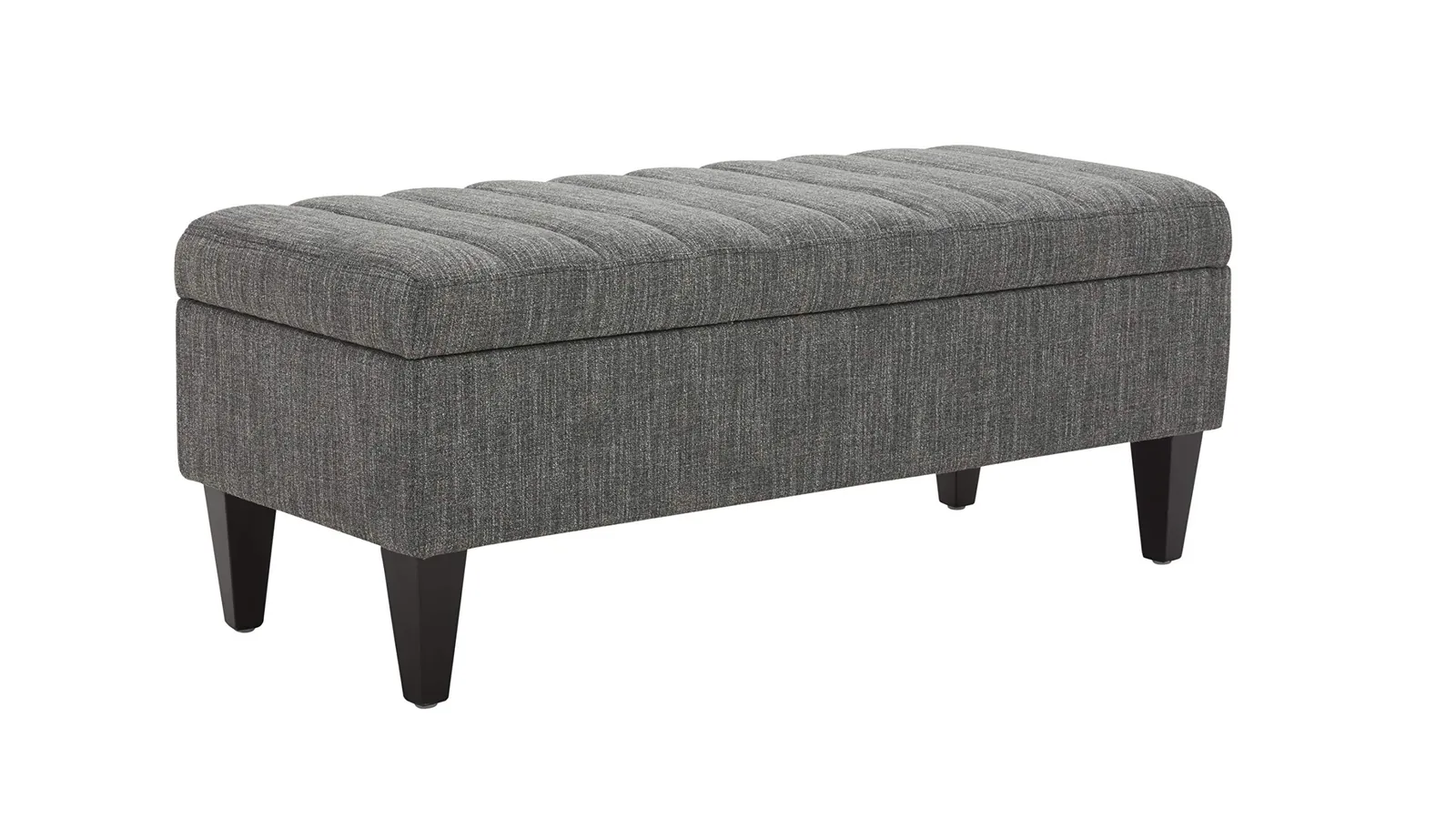
| Hidden storage | Interior size, opening mechanism | Expecting outside volume to equal usable space |
| Movable accent | Weight, handles, floor contact | A piece too awkward to shift |
What is inside the cover
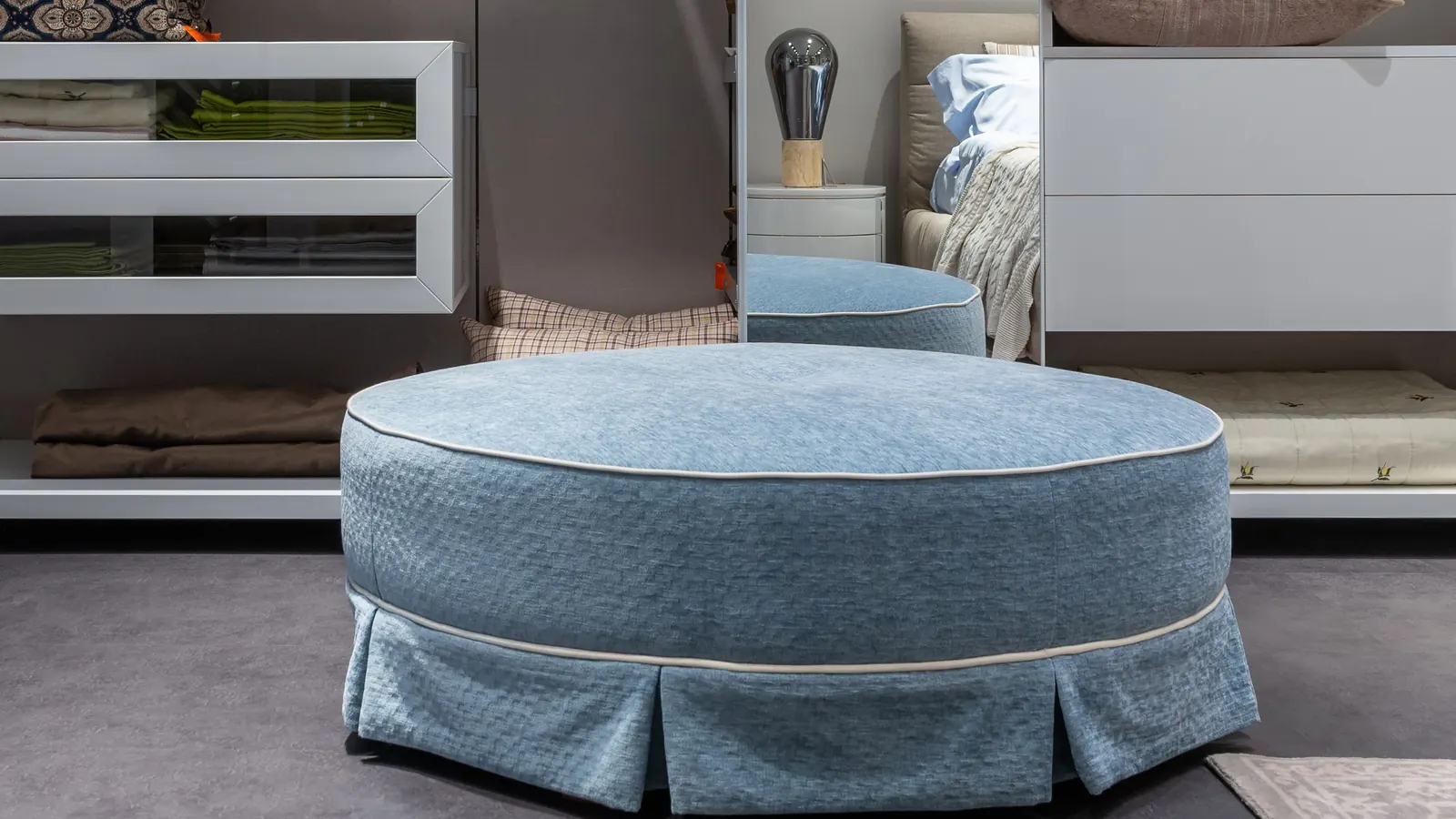
Some poufs hold loose filling in a cover; others use foam or a structured frame. Ottomans may stand on visible legs, sit on a concealed base or open under a lid. The outside shape will not tell you which. IKEA’s LILLESÄTER pouf is described as a footstool and extra seat with foam filling, which is that product’s description and no permission to sit on any soft accent piece. See whether a listing sells a filled item or a cover only; if you must fill it, use the type and amount the maker specifies.
As a footrest
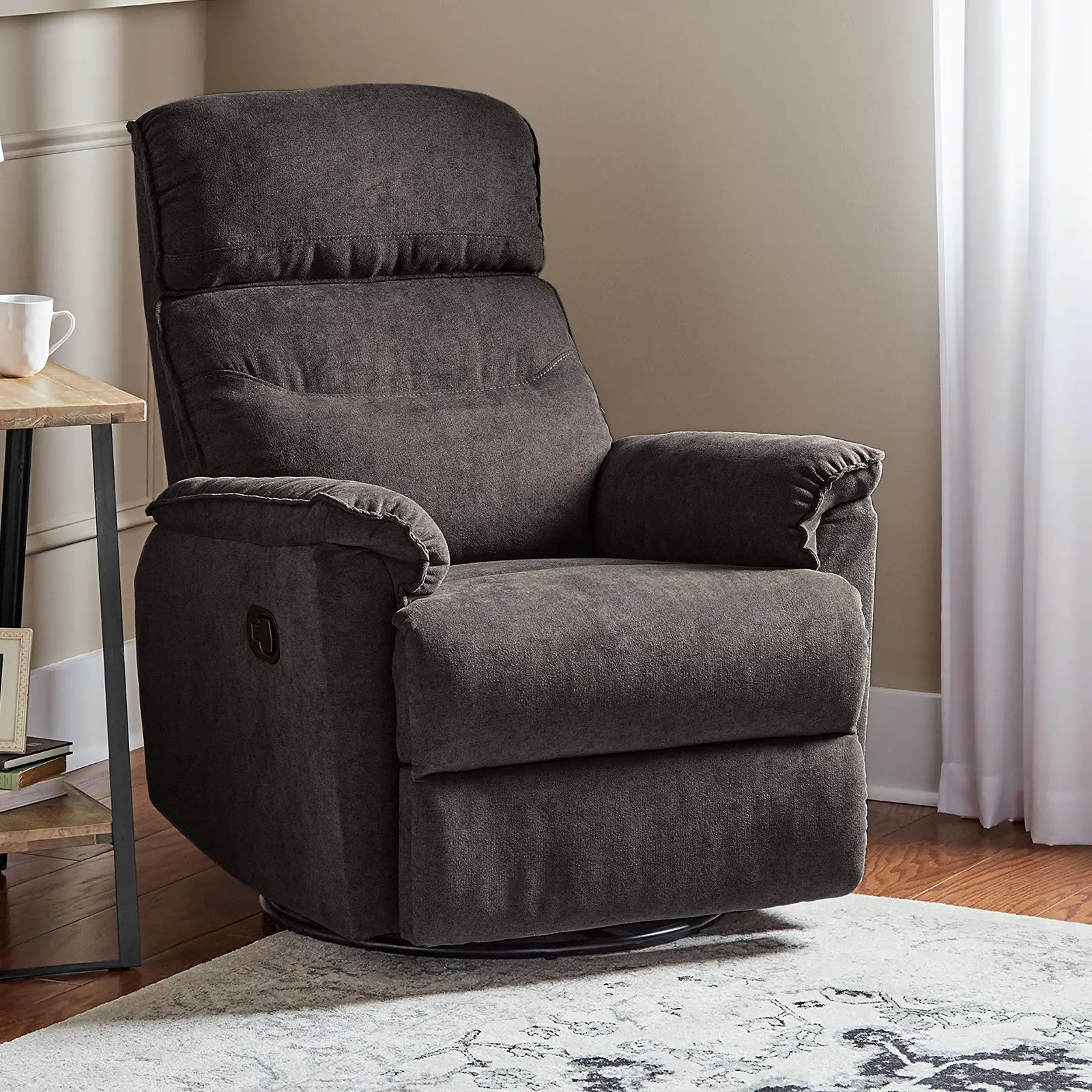
Compare the pouf’s height with the chair’s seat as someone sits in it, since an empty cushion is taller than an occupied one. You want to rest your legs without sliding forward or perching on the edge. Leave a path around the chair, because an ottoman that sits neatly against the chair may need to move every time someone stands. With a recliner, follow the chair’s own instructions before adding another footrest: do not block the mechanism or expect a separate piece to take a moving foot section. A movable piece can help households of different heights, so long as it stays stable where it lives.
As a seat
Sit on it only when the maker permits it, within the stated weight limit. A footstool built to carry legs is not necessarily built for a person’s full weight. A low, soft seat is easy for a brief visit and hard going for anyone who needs support or finds getting up difficult. Do not use it as a step stool, and mind it in rooms where children climb.
As a tray table
A tray may look elegant on an ottoman in a photograph, but a soft top can tilt under it. Test the top’s shape and firmness, and keep hot liquids and fragile things on a stable table when the ottoman cannot hold them steadily. If the maker offers a tabletop accessory, use it as instructed instead of cutting a rigid panel. Decide where the tray goes when someone wants to rest their feet.
Storage ottomans
Compare the interior dimensions with what you want to store, because walls, hinges and lining take space, and a large outside does not promise room for a folded blanket or a board game. Look at how the lid opens and whether it stays where the maker intended, follow the instructions on hinges and load limits, and leave the mechanism as built. If closing the lid takes force, there is too much inside. Store only suitable dry items.
Texture, cover and care
Texture does a lot of the work: a chunky knit, a smooth leather or a nubby bouclé each sets a different mood next to a sofa. A knit or textured cover will collect whatever shoes, pets and floors bring, and leather or coated finishes need their maker’s treatment. Read the instructions for the exact cover and filling; a zipper does not make a cover machine washable. If the pouf is refillable, use approved filling, keep the closure secure, and keep loose filling and small parts away from children and pets.
Floor space and movement
A round pouf looks compact but takes up a full circle of floor, and a square one tucks beside a sofa while still reaching into a walkway. Mark the footprint and test the doors, drawers and route nearby. Fabric on the base will not stop it scratching or sliding on the floor, so follow the furniture and flooring makers’ advice on pads. If you will move it often, find out its weight and whether it has a handle, and never lift by piping, decorative loops or seams.
For wider arrangements, see the living-room collection. A low pouf in a deep, saturated tone grounds a pale sofa and rug the way a dark frame grounds a print, while one in the sofa’s own color reads as part of the seating. Shape matters too: a round pouf eases a run of straight sofa and table edges, and a square one echoes them. Height and open floor space matter more than an exact fabric match.