Twin Mattress Size: Twin vs. Twin XL and Practical Fit
A US twin is about 38 by 75 inches, and a twin XL adds 5 inches of length. Decide whether length or width is the problem, then measure the frame and plan the bedding.
By DecoraMintPublished 5-minute readMore in Bedroom
In this guide
A twin bed under a window in a narrow room leaves a walkway and a place for a chair; the same room with a double fills wall to wall. That is the charm of the size. A US twin is about 38 inches wide and 75 inches long, and a twin XL keeps the 38-inch width and stretches to 80. The only thing the XL buys is length, so the useful question is whether you or the sleeper run out of bed at the foot or at the sides.
The sizes side by side
| US size | Typical width x length | What changes |
|---|---|---|
| Twin | 38 x 75 inches | The compact standard |
| Twin XL | 38 x 80 inches | 5 inches longer, same width |
| Full (double) | 54 x 75 inches | Wider, same length as twin |
| Queen | 60 x 80 inches | Wider, with the longer length |
| King | 76 x 80 inches | Twice a twin XL’s width |
| California king | 72 x 84 inches | Longer and narrower than a standard king |
Saatva’s mattress size information lists these typical US measurements. Size names are conventions, and imported, custom or specialty beds can differ, so take the finished dimensions from the exact mattress’s listing.
Which size for which sleeper
A child. A standard twin is the usual first bed after the crib stage, and it keeps a bedroom open for a rug, a desk and floor play. A twin XL gives a growing child more years of use, as long as the frame and sheets are made for the longer length.
A teenager or tall adult. Feet that reach the footboard point to the XL. It keeps a narrow footprint and gives length, which suits a dorm-style room or a small bedroom where a wider bed would crowd the door.
A sleeper who needs elbow room. A full adds 16 inches of width over a twin while keeping the 75-inch length, so it is the step up for someone who spreads out or shares with a pet. A twin is workable for an adult when length and width suit them.
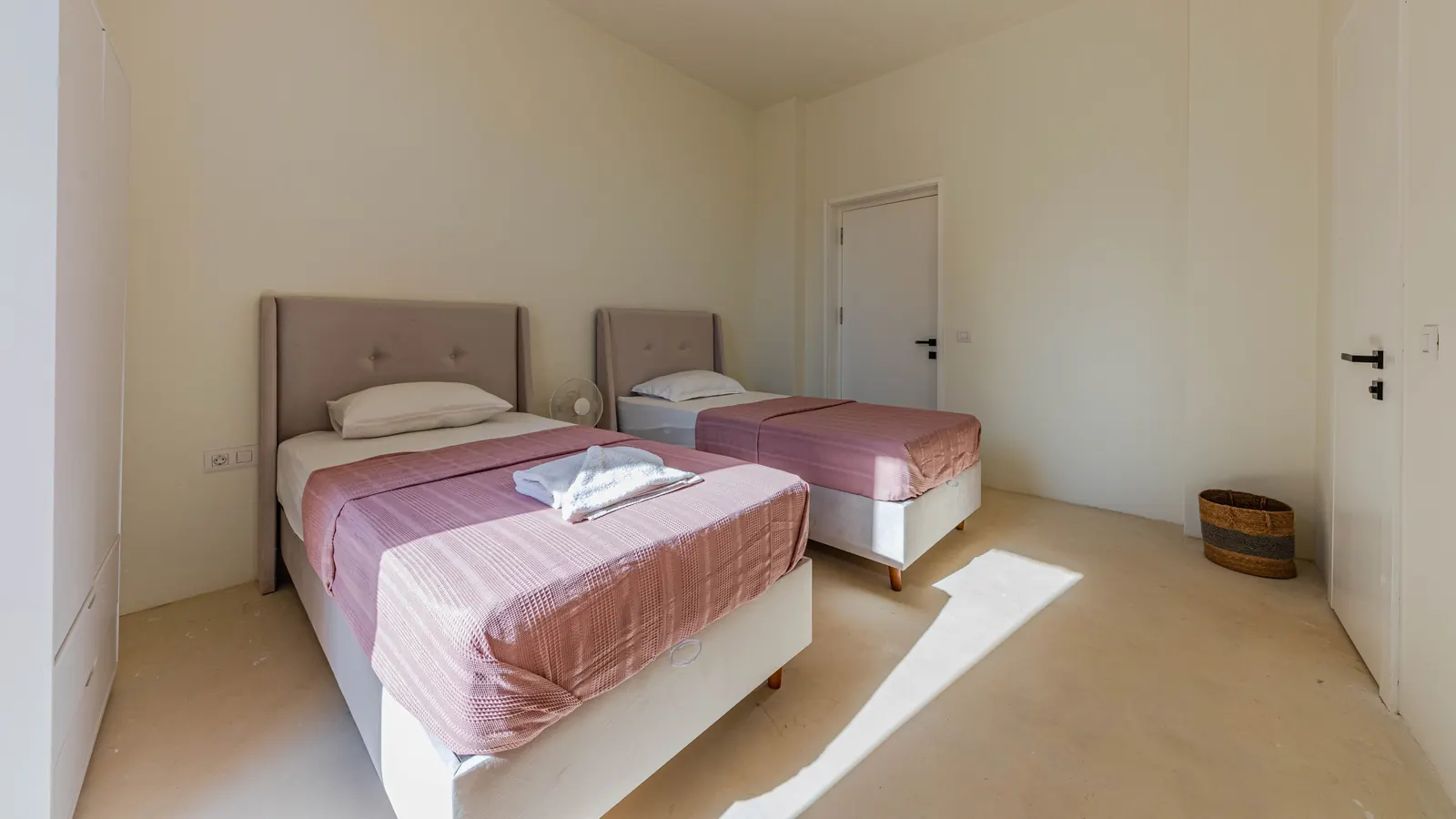
A guest room. Two twins side by side give a flexible arrangement: a symmetrical pair with a small table between them for friends, or pushed together for a couple. Consider the gap in that layout before buying nightstands, because a table that fits between mattress outlines may not fit between wider upholstered frames.
How a narrow bed looks in a room
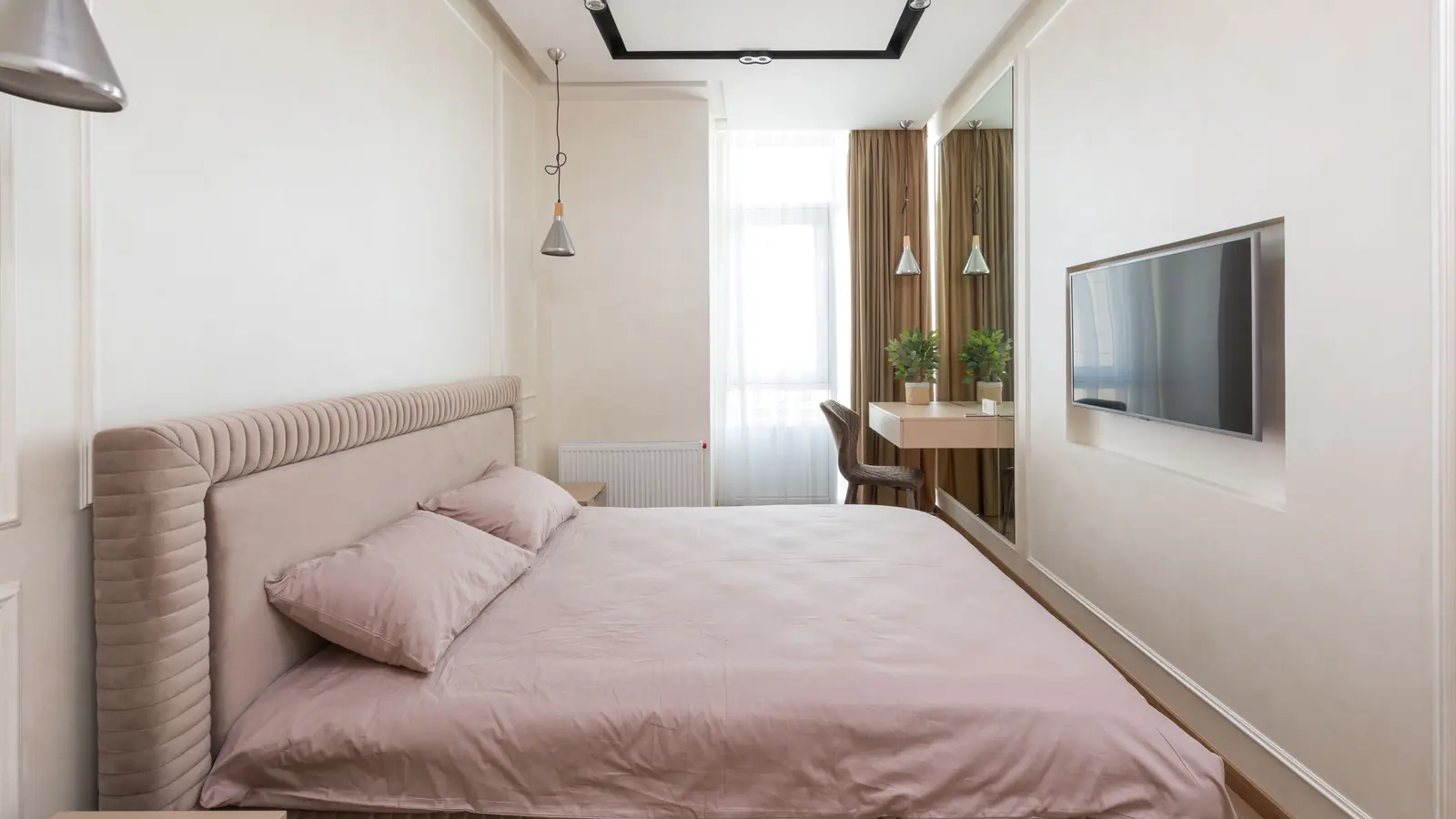
The pleasure of a twin is proportion. Against a long wall, with a headboard that is a little wider than the mattress and a throw that falls over the foot, it reads as a daybed, a quiet corner more than a sleeping machine. Pull it away from the wall and it becomes a piece of furniture you can walk around, which helps in a room with a bay window or an architectural alcove.
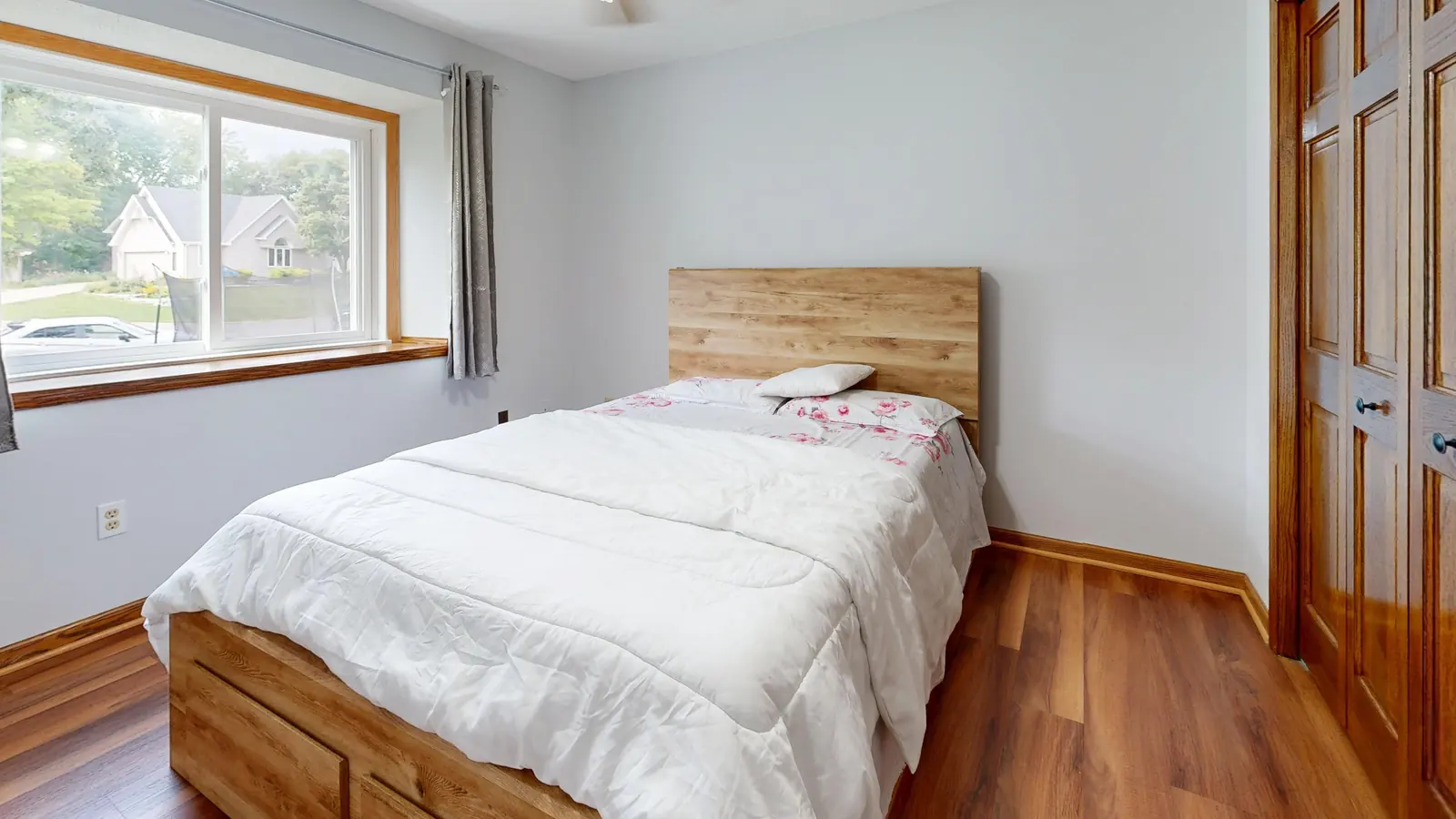
Texture does a lot of the work in a small bed. A linen duvet cover gives soft folds, a waffle or knit blanket adds relief against plain walls, and a pair of pillows in a second tone keeps a single bed from looking like a child’s. In a pale room, a wooden frame warms it; against deeper walls, an upholstered headboard in a related shade lets the bed settle in instead of standing out.
For a bed against a wall, consider making it. Reaching the far side to change sheets gets awkward, and storage drawers only earn their place if they can pull out fully.
The frame is bigger than the mattress
A bed’s footprint can be well beyond the rectangle the mattress fills, since headboards, footboards, side rails and drawers all take floor. Treat the assembled frame dimensions and the recommended mattress dimensions as two separate numbers, and mark the frame on the floor with tape. Then open the doors and drawers and walk the routes people use. No minimum room size works for every plan, because door placement, closets and other furniture vary.
If you already own the bed, look for the model label or instructions. Measure the inside area for the mattress and stay within what the maker allows, since an oversized mattress overhangs and an undersized one leaves gaps along the rails. Bunks, lofts, trundles, daybeds and folding beds often specify a maximum thickness as well as length and width, so a mattress sold as “twin” can still be too deep; a thicker mattress is an upgrade only when the frame says so. If the mattress needs a particular base, check the slat spacing or foundation as well, since a foundation or adjustable base has its own requirements. A twin XL goes on a twin frame only when the frame’s maker explicitly allows it.
Fitted bedding
Twin and twin XL fitted sheets are different products even though the widths match. Buy the fitted sheet and protector for the exact mattress length, then check pocket depth against mattress plus any topper. A flat sheet, blanket or comforter drapes over the bed instead of gripping the corners, so compare its measurements with the side drop you want. A pack labeled twin/twin XL can suit a top layer while leaving fitted-sheet compatibility open. Settle the mattress configuration before buying a bedding bundle, because a twin XL mattress dressed in standard twin fitted sheets is a mismatch you can avoid.
A single mattress is often just another name for a twin in US shops, though sizing abroad and in specialty beds can differ. Compare the listed inches and the bed’s required dimensions.
Two twins and a king
Two standard twins side by side measure about 76 by 75 inches, 5 inches shorter than a standard king. Two twin XLs give the usual 76 by 80 inches, the footprint of a split king. Whether that works as one bed depends on the frame, the mattress height and any adjustable-base requirements, since a bridge or fitted sheet leaves a seam between the two mattresses. If a room may alternate between separate beds and a joined bed, choose furniture for both layouts at the start and see how the frames connect before buying a converter.
Feel and the order itself
Size settles a space question and leaves firmness, pressure relief and temperature comfort open. Two twins can feel very different because of their materials and construction. If you can try one in a store, lie in your normal resting position for a while; a quick bounce flags only an obviously wrong feel.
For online orders, read when the trial begins, whether a minimum sleep period applies, how returns work and which fees remain. A comfort trial and a warranty are separate things, because warranty coverage is for defects. Read the final cart description against the size you meant to buy, since a low starting price can belong to a different size or model than the one selected. Add the route into the room, including turns on stairs, any foundation or protector you will need, and whether old-mattress removal is offered or has to be arranged.