White Bedroom Furniture: Mix Finishes, Storage and Warmth
A white dresser, an upholstered bed and some wood or rattan usually feel better than a set where everything matches. Compare whites against what you own and add warmth with texture.
By DecoraMintPublished 5-minute readMore in Bedroom
In this guide
A white dresser can turn creamy beside the wall paint while the white nightstand next to it goes faintly blue by the window, and suddenly the pair looks like a mismatch you paid for. Most of what makes white bedroom furniture work happens before the purchase: choosing whites that can sit near each other, deciding which one piece leads, and knowing how painted white ages.
Whites have undertones, and light moves them
Benjamin Moore’s guide to white paint describes warm whites as leaning toward red, orange and yellow, and cool whites as carrying hints of green, blue and violet. It also notes that whites shift more than other colors from morning to evening, that holding two whites side by side makes the undertone obvious, and that a few days with a sample is worth the wait. Paint samples cannot reproduce a furniture finish, but the method carries over. Hold a drawer front, a swatch or a door sample against the headboard, the wall and the floor in daylight, then again under the lamps you use at night.
A warm white dresser sits well beside honey or walnut tones and goes dull against a gray-blue wall. A cool white looks clean against black hardware and gray bedding and a little hospital-like beside orange-toned oak. Neither is a mistake. Pick the undertone that agrees with what stays in the room, and let the rest vary. Against dark floors, white furniture stands out cleanly, and a rug or wood accent eases the jump if it feels abrupt.
Why white does not need to match white
A visible gap between two whites looks like a decision, while a near-miss looks like a failed attempt. A warm white dresser beside a clearly natural wood nightstand is a pairing nobody questions. Two cream-painted pieces side by side invite a close look at which one is yellower.
The most settled bedrooms tend to follow one of a few patterns. We would choose among these by what the bed looks like.
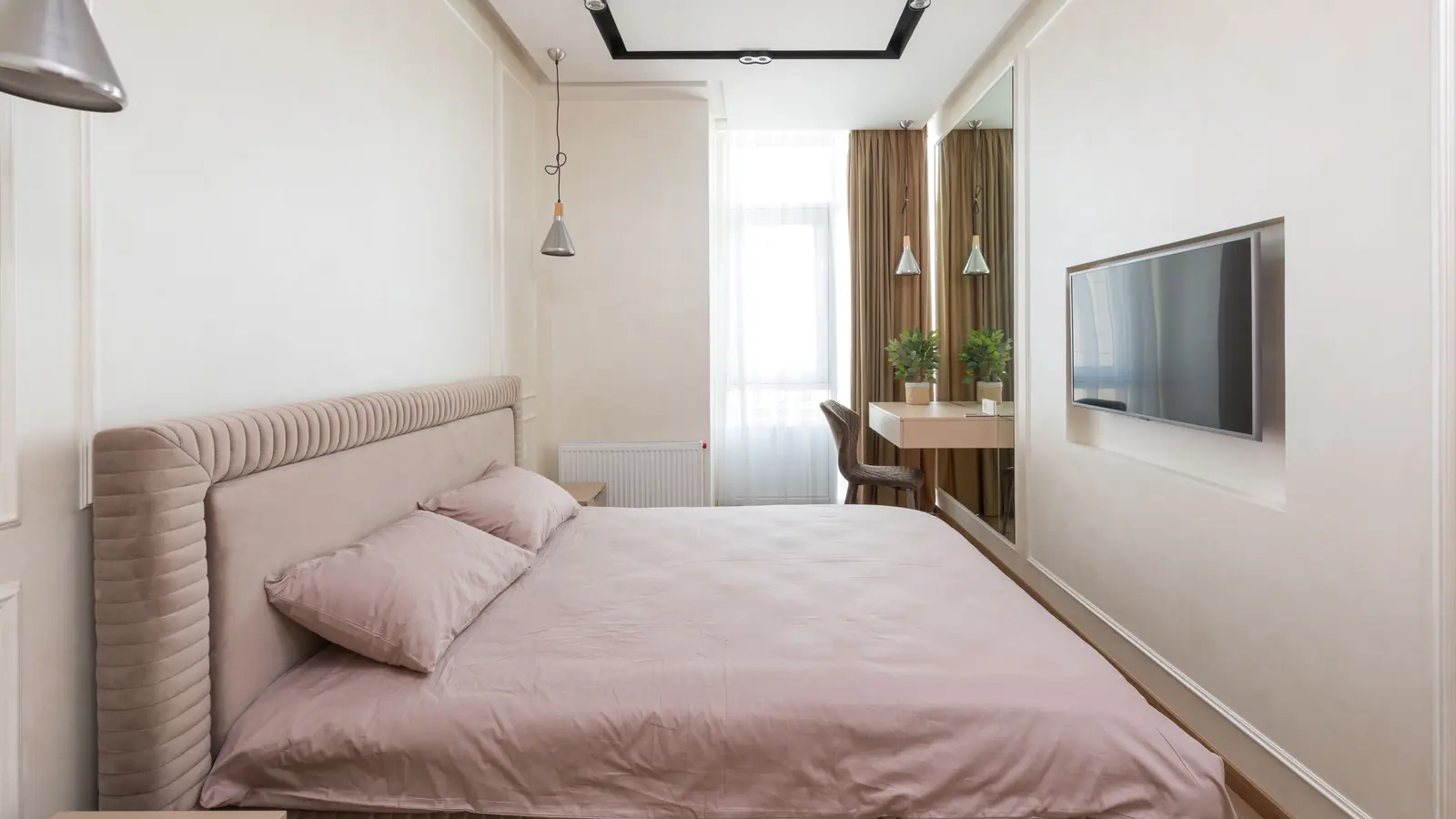
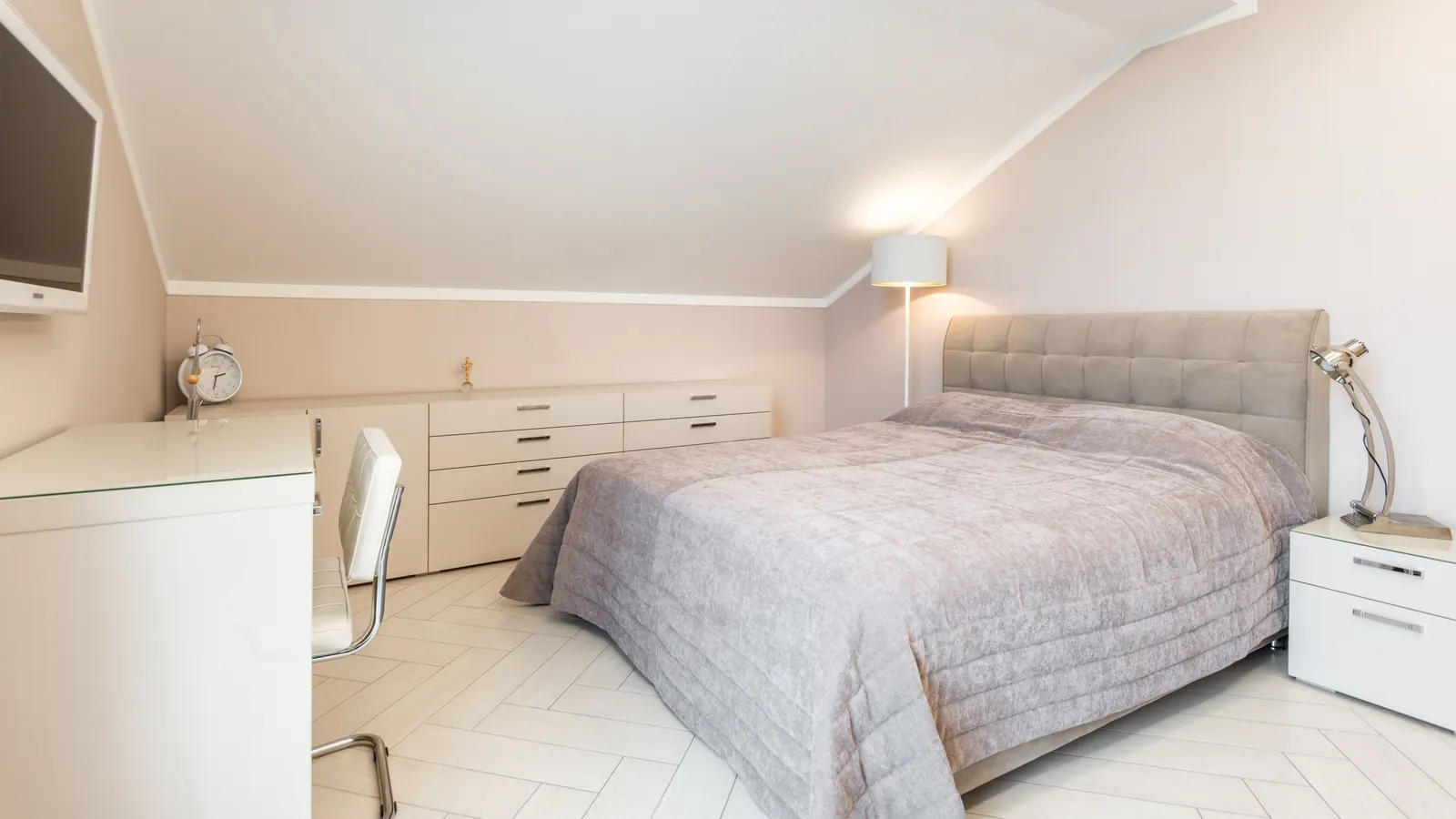
- A strongly shaped bed, quieter storage. An upholstered or carved headboard carries the room, so simple flat-front white chests can stay in the background.
- A plain bed, one statement piece. A painted dresser with shaped legs or visible molding gives a simple bed company.
- Dark hardware. Black or bronze pulls on white fronts draw the outline of every drawer, and a lamp base or picture frame in the same finish links the pieces without matching them.
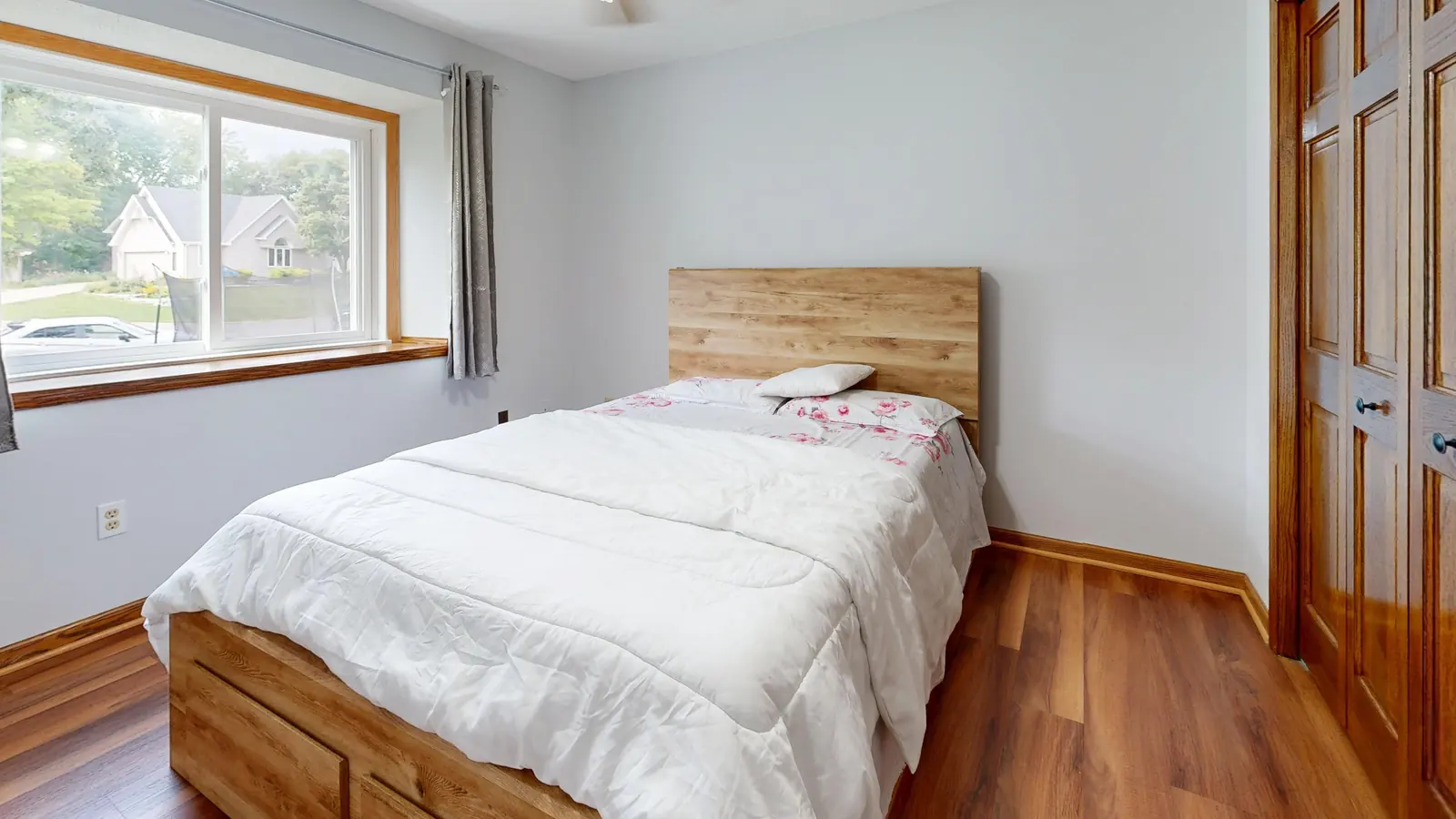
- White plus wood plus something woven. A rattan bench or a jute rug gives the white furniture a warm partner, and the floor stops feeling like a continuation of it.
How painted white ages
White shows wear sooner than a mid-tone, and some of that is chemistry. Sherwin-Williams ties yellowing in alkyd and oil-based paints to the way they cure, most noticeably where little sunlight reaches, and Hunker’s piece on why white painted furniture yellows adds heat and tobacco smoke. A water-based finish cures differently, so a listing that names one is a point in its favor, and a spot away from radiators and stoves helps any white. When a listing says only “white finish,” the question is what kind of finish it is: painted solid wood, painted veneer, a coated engineered panel or a laminate. Drawer boxes, backs and tops often differ from the fronts. A good answer names the finish type and gives a care instruction that tells you what you may clean it with.
Wear shows at the pulls, along the edge nearest the bed, under the water glass and on the top where cosmetics sit. A tray under daily items takes the knocks, and hardware that can be replaced matters more on white than on wood, where scratches can pass for character. Unknown cleaners, bleach and abrasive pads are risks to a painted surface; use what the maker recommends and ask whether touch-up paint is sold.
Nightstands that do not match
Two nightstands only need to work with the bed and with each person. Compare their tops with the mattress height, how much each holds and how heavy each looks. A large chest on one side and a slim table on the other balances when the lamps are the same height and the heavier piece carries less on top. Matching lamps are one way to steady the pair, though two lamps with different bases and shades of the same finish work.
Where a bed sits tight between wall and closet door, a smaller bedside piece will earn its place before a full-width one. A wall-mounted shelf needs proper fixing into the wall, so decide the layout before drilling.
Giving a white room some warmth
An all-white bedroom of white walls, white furniture and smooth white bedding feels flat because nothing slows the eye. Texture does more than extra colors: a nubby coverlet, a woven shade, a rug with a visible pile and one wood-framed object give the room a surface to read. Dark pulls and a medium-tone rug pull the white furniture away from a pale floor so it does not blend into it.
The duvet cover is the largest color area on the bed and the cheapest thing to swap, so let it carry the seasonal change and keep the furniture as the stable base. Repeat two or three finishes through the room, such as the pull color and a lamp metal, because five different accents will make the room look busy.
Storage and stability
White furniture is as heavy as any other finish. The CPSC’s Anchor It guidance says to secure top-heavy furniture with anti-tip brackets, to install the anti-tip devices that come with new dressers right away, and to take toys and remotes off the tops of furniture so children are not tempted to climb. A dresser that cannot be anchored where you want it needs another wall.
Before ordering a wide dresser or tall wardrobe, measure the doorways, stair turns and the route to the bedroom, and work out what arrives assembled. Allow for baseboards, outlets and floor vents behind the planned spot, since a dresser shown flush to a wall in a photo may need space for trim or an anchor, and leave room to open every drawer and still stand in front of it.