Wood Coffee Tables: Solid Wood, Veneer and Finish Choices
Wood coffee table can mean solid wood, a thin veneer or wood with metal. Read the top and legs separately, look at the edges and underside, and choose care you can keep up.
By DecoraMintPublished 4-minute readMore in Tables
In this guide
Walnut with a tight, dark figure reads as formal; pale oak with long open grain reads as easy; a slatted top in a gray stain reads as casual and slightly Scandinavian. The tone does the talking, but it says little about what the tabletop is made of. “Wood coffee table” covers solid boards, a thin wood veneer glued over a fiberboard core, and tables that pair wood with metal. Read the top and the legs as two separate lines in the specifications, because they are often different materials.
What the listing words actually mean
Veneer is a real wood surface laid over another core, so it carries genuine grain, but it behaves differently from a plank when it is scratched or refinished. A “wood-look” surface may be neither. A name like “walnut finish” can describe a color. If the listing stops at the color, ask for a full materials list for the top, the edges, the legs and any shelf.
Mixed construction is common and is not a flaw. IKEA’s STOCKHOLM coffee table, item 70239710 is a fiberboard top with walnut veneer and a clear acrylic lacquer, standing on solid walnut legs. That pairing puts the best grain where eyes and elbows land and keeps the legs sturdy. IKEA’s stated care is a damp cloth followed by a dry one; that applies to this lacquer, not to every wooden table.
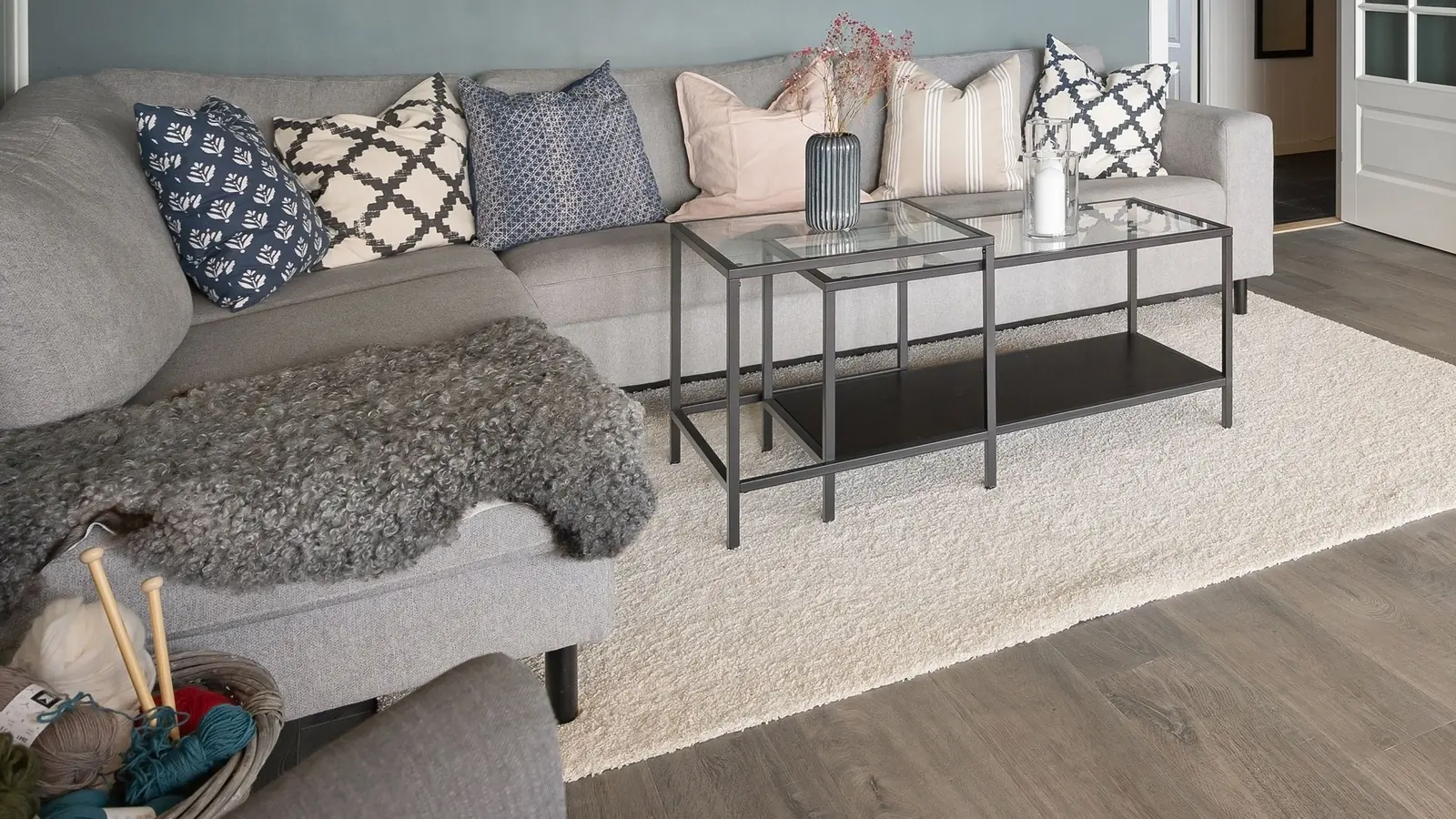
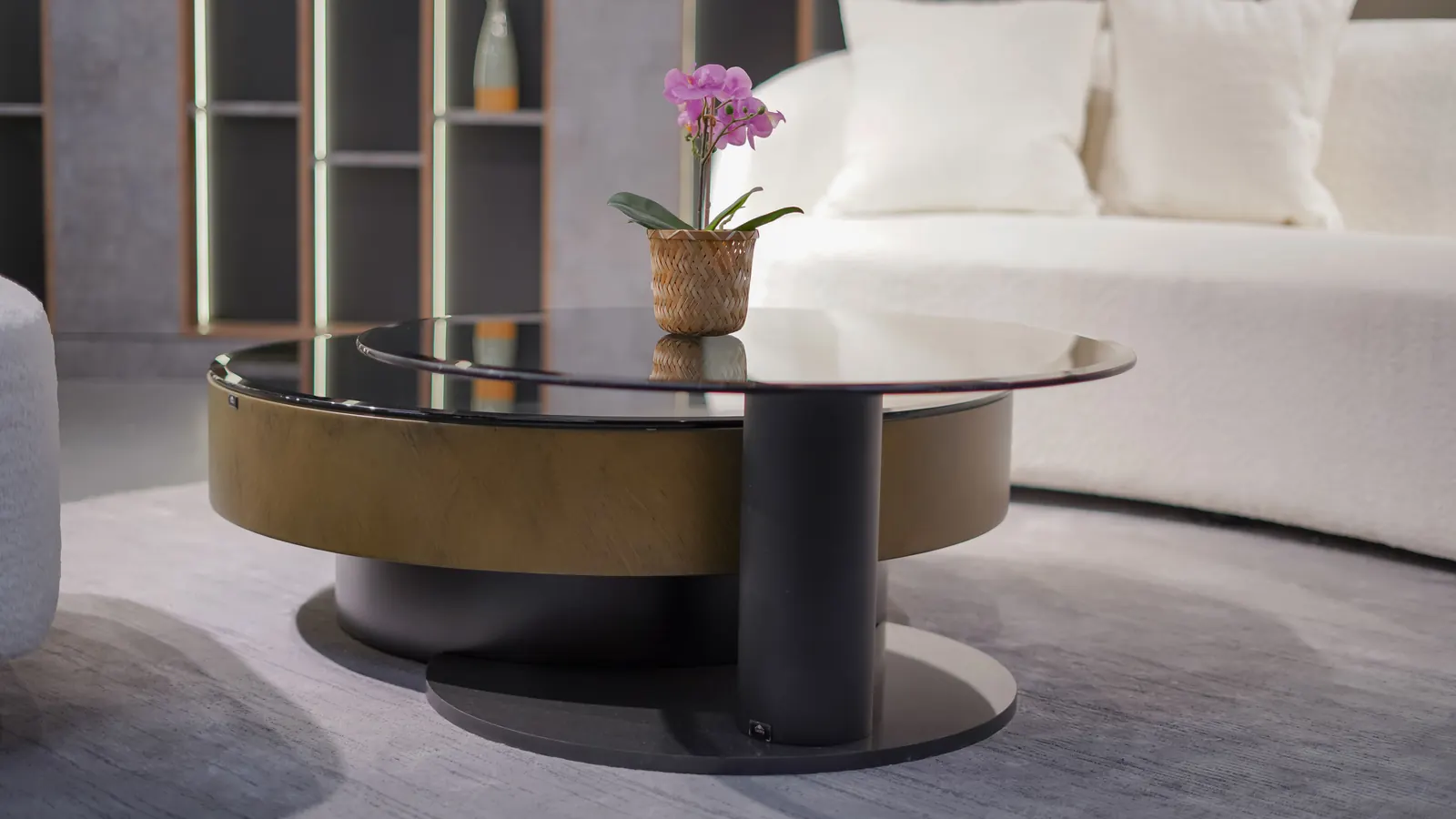
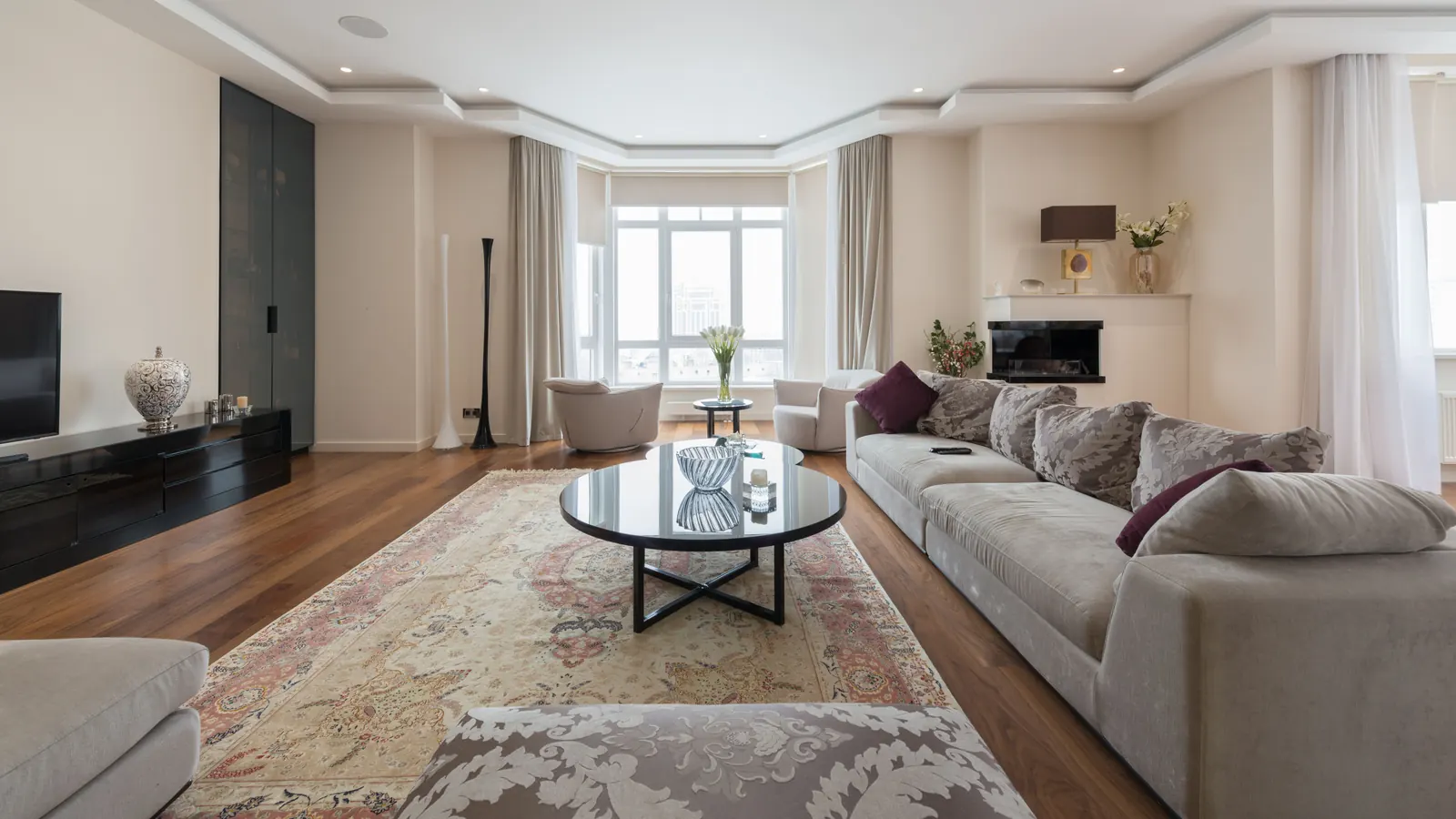
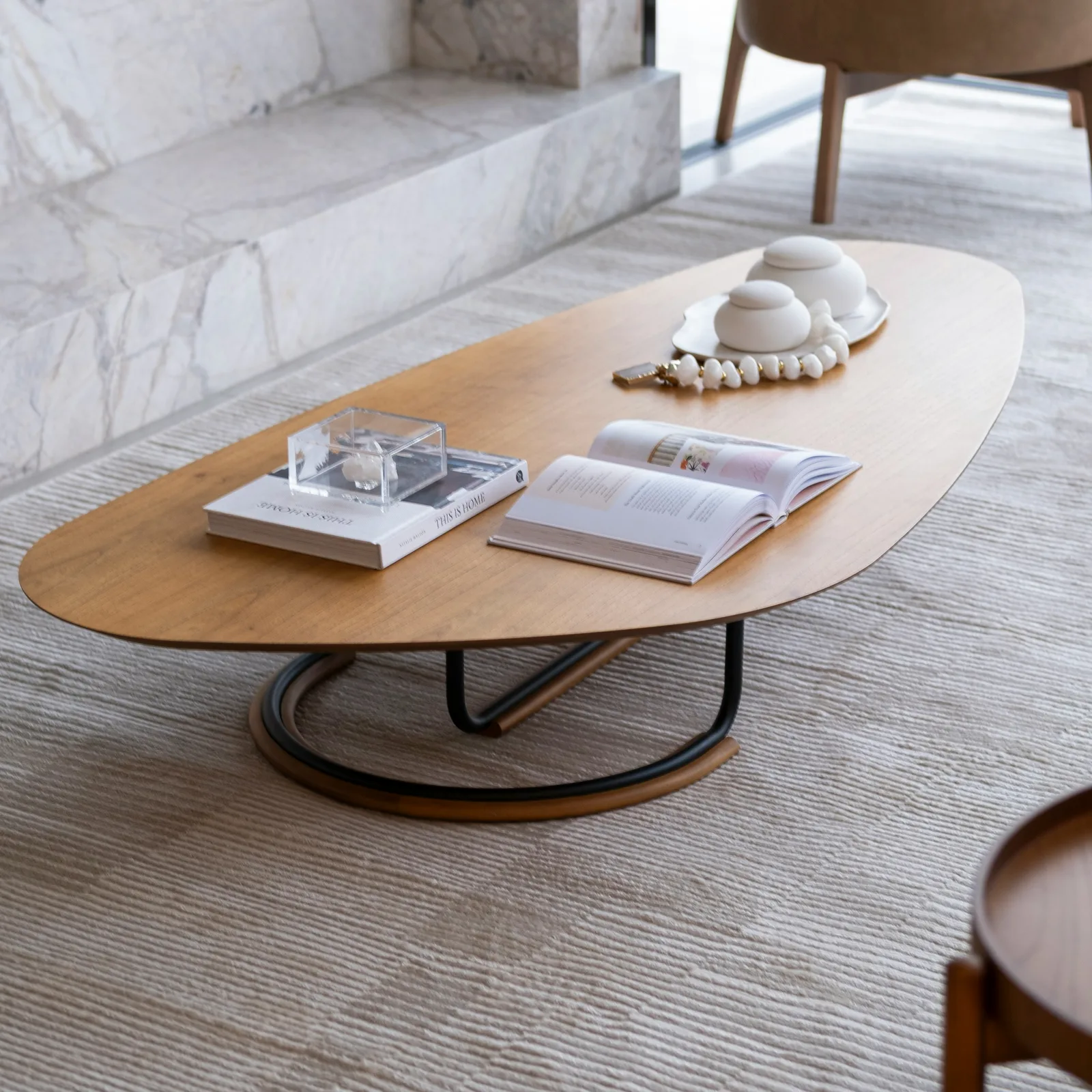
Scandinavian Designs describes its Eckler coffee table as solid acacia with a light-gray stain and a slatted lower shelf. Same word, wood, but a very different object: the stain mutes the grain into a soft gray, and the slats give the base a lighter, open profile. Both listings are examples of how to read construction, not a ranking or a promise of current stock, and the photo at the top of this page does not show either.
Species, stain and finish are three separate choices
The species names the wood. The stain sets the color. The coating on top is what you touch and wipe. A hard, sealed coating handles a damp glass differently from an oiled surface that needs regular attention, so cleaning advice only makes sense for the exact finish. Find out four things from the seller:
- what finish sits on the top, edges and legs;
- whether coasters or heat pads are required;
- which cleaners are allowed;
- what color change or surface variation counts as normal.
Hold off on the oil, wax or polish you used on another table until you know this one takes it. If a seller cannot say what the finish is, that is itself an answer about how much upkeep to expect.
How the table anchors the room
A coffee table is the lowest big surface in the room, so its mass sets the center of gravity for the seating group. A thick block top with a heavy base pulls attention to the middle and suits a sofa and rug that are quiet. A slender-legged or open-frame design lets the rug show through and suits a room with strong pattern underfoot.
Grain is a pattern too. Bold, wavy figure next to a busy rug fights for attention; straighter grain or a quiet stain gives the rug room. Wood tones do not need to match the floor or cabinets. Either stay within one family and let the grain differ, or go deliberately darker or paler than the neighbors, such as a dark table on a pale rug. The in-between near-match is the combination that tends to look like a mistake. Judge the stain in your own light, since two tables both sold as oak can differ a lot.
Edges, underside and storage
Photos staged from above hide how a table is built. Ask for a close view of the edge and the underside. A thick-looking edge may be a built-up apron or a wrapped strip, not a single slab. Rounded corners are a shape choice you will appreciate if people bump past them, but they do not make a table safe for every household.
If there is a lower shelf, measure the clear gap between shelf and underside of the top, and the opening between the legs. A basket 12 inches tall will not go into an 11-inch gap, however low the table looks overall. Drawers need to open without hitting the sofa, so check which side they face.
For a used table, look at the joints, corners and underside in person if you can, and ask about repairs or refinishing. A fresh coat can hide a loose joint. Check the weight before you plan to move the table often, and lift it by the frame, not by a leg. Do not sit or stand on it unless the maker rates it for that.
Veneered tops need a gentler hand when it comes to repair, since sanding goes through the thin wood layer quickly. For anything deeper than a surface mark, ask a qualified furniture repairer before you start. The tables category has more on coffee and side tables.