Heated Blankets: Choose the Size, Controls and Intended Use
A bed blanket, a sofa throw and a heated mattress pad all appear in the same search results. Start with where you will use it, then compare the exact model's size, controls and care.
By DecoraMintPublished 6-minute readMore in Blankets & Throws
In this guide
We may earn a commission from links on this page, at no extra cost to you. Affiliate disclosure
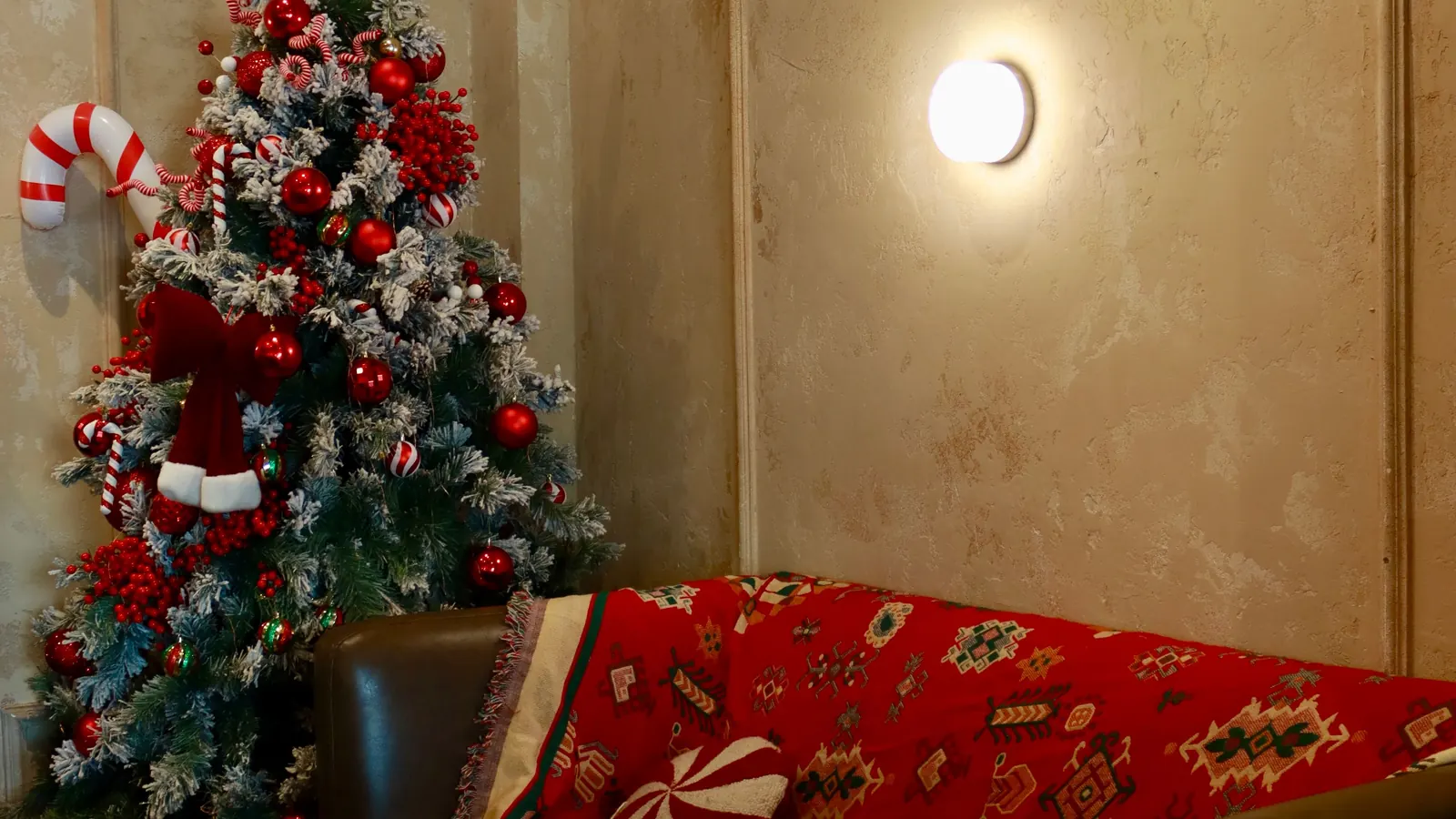
Picture the sofa on a January evening: a lamp on low, a book, and a soft throw across your lap with a small controller resting on the arm. That is a heated throw. Now picture a bed made up with a full-size electric blanket on top of the sheet, with a controller on each nightstand. Same search results, different product. Before you compare fabrics or heat settings, decide where the warmth has to go: over you in bed, over your lap on a seat, or under you on the mattress, which is a heated mattress pad and a separate purchase. Then compare the exact model’s dimensions, controls and instructions.
Battery-powered options raise their own questions about charging and runtime; our cordless heated blanket guide covers them. If the warmth has to travel to a desk chair, the bleachers or a patio, away from any outlet, that guide works through ZONLI’s 2-in-1 Cordless Wearable Heated Blanket: a 50-by-60-inch throw, the same footprint as the Sunbeam fleece compared below, that the listing says converts to a vest and ships with a 10,000 mAh battery. Everything from here on concerns plug-in blankets and throws.
Who should not use one
Read this part before choosing a color, especially for a gift. Sunbeam’s 2026 four-setting heated-throw instructions say not to use the throw with an infant or child, an incapacitated or immobile person, a person with diabetes, anyone insensitive to heat, or anyone who cannot understand the instructions or operate the controls. They also advise asking a healthcare provider first if you use a pacemaker or another medical device. Other makers’ wording differs, so read the restrictions for the model you are buying.
The same sheet lists the rules that matter in daily use:
- Do not fold or bunch the throw while it is on, and do not tuck in the wired heating area; folding or bunching can cause excessive heat.
- Keep every part visible, and never tuck the cord or controller into sofa cushions.
- Plug straight into a wall outlet: no extension cords, power adapters, smart plugs or multi-outlet adapters.
- Skip rocking chairs, chairs on casters and other moving furniture, keep it off waterbeds, bunk beds, adjustable beds and children’s beds, and do not use it with another heated product.
- Keep pets away from it, and turn it off or unplug it when you are not using it.
Sunbeam’s extended heated-bedding manual carries similar restrictions for its bed products. An auto-off timer sits alongside these rules; it does not replace any of them.
Size by inches, and ask about the heated area
Queen, king, oversized and throw are shopping labels. Record each candidate’s width and length in inches and lay them out with a tape measure on the bed or sofa. For a bed, think about covering the sleeper, not tucking extra heated fabric around the mattress. For a sofa, picture where the seated person’s legs and shoulders fall.
The textile size and the heated area are different numbers. If a maker publishes a diagram of the wired zone, compare it with the overall size; if it does not, leave heated coverage as unknown, instead of assuming the wiring reaches every edge.
Controllers and cords in the real room
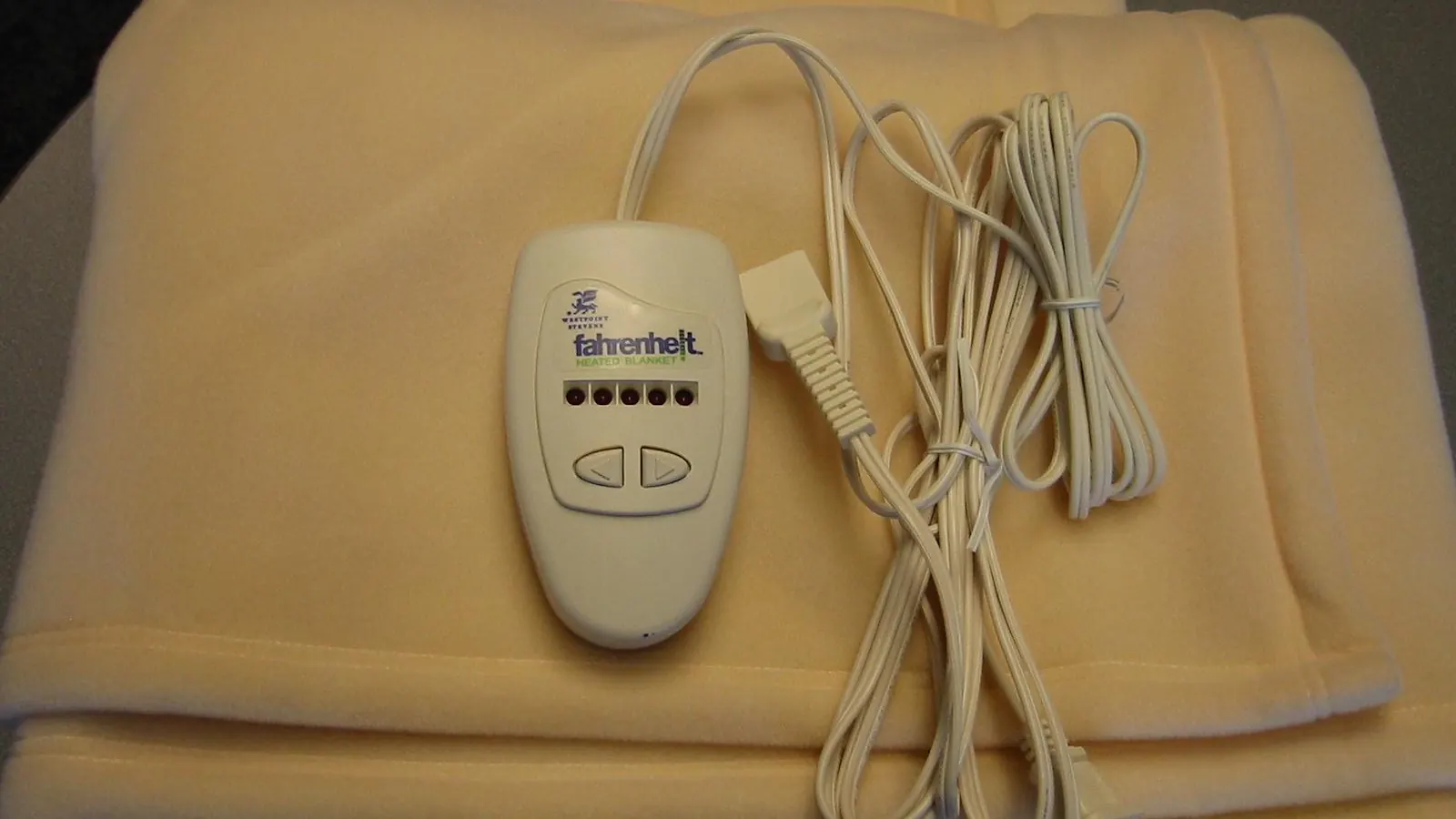
Zoom in on controller photos. Can you read the setting in a dim bedroom? Are the buttons distinct by touch? Will glowing lights bother you at night? A long list of heat settings says nothing about the temperature of each one, so clear labeling counts for more than the count. On a shared bed, look for an explicit statement that the size you picked has dual controls; two controllers in a lifestyle photo might belong to a different size.
Then map the cord. Note where the connector sits on the blanket, where each controller would rest and how far the nearest outlet is. Sunbeam’s throw, for example, puts the connector halfway down one side so the throw can be turned to suit the left or right. Cords should never be pinched between the mattress and frame or trapped against a wall or between furniture.
On timers, ask whether the shutoff is fixed or adjustable, whether it applies to each zone and what happens after a power cut. The Sunbeam throw shuts off after four hours of continuous use and, after an outage, needs the button pressed again to resume heating.
Fabric, look and feel
Here the decorating choice is yours: a smooth brushed fleece reads calm and tailored folded over a sofa arm, while a channeled faux fur adds texture and a little drama against linen or leather. Texture and color are fair grounds for choosing. Warmth is not; a plusher-looking face does not mean the wiring heats more evenly, and close-up photos cannot show softness or durability.
If there is a removable outer cover, find out which part can be washed. A washable cover and a washable heated layer are different claims.
Washing and drying
Find the actual care document before buying and compare it with your machines and drying space. The Sunbeam throw sheet asks you to unplug from the wall before detaching the controller, wash in cold water on a gentle cycle or by hand, tumble dry on low, remove it while still damp and finish drying over a rack without clothespins. It warns against commercial and laundromat dryers, dry cleaning, bleach, fabric softener and ironing, and says the throw must be completely dry before you reconnect anything. Do not borrow directions from another brand; Sunbeam’s own instruction-manual index lists separate documents for different bedding families.
Keep the model number, receipt and controller details together for support and replacement parts.
Damage and recalls
On a blanket you already own, the CPSC’s home electrical checklist flags damaged wiring or connectors and scorched or frayed fabric as warning signs, and cautions against folding an operating blanket or piling other covers on top of it. Sunbeam’s sheet asks you to examine the throw, cord and controller before each use and stop if you see wear or damage. Do not hide a worrying patch under a decorative throw while you shop for a replacement.
Search the CPSC recall database by brand and model and compare the identifiers on your own label. A matching color name is not enough to rule a notice in or out.
Two Sunbeam throws for seated use
For a stationary chair or sofa, two Sunbeam US listings make a clear comparison. These are documentation-based options, not tested picks, and stock can change.
| Listing | What differs | Choose it when |
|---|---|---|
| Black brushed-fleece throw, 50 by 60 inches | Smaller and plain, four heat settings, four-hour auto-off | You want a simple lap covering that sits neatly on a sofa arm |
| Maroon channeled-faux-fur throw, SKU 14621, 50 by 70 inches | Ten inches longer, textured face and smooth reverse; same settings and timer | The shorter throw leaves your feet out, or you want the richer texture |
See the black brushed-fleece product page and the maroon 14621 page. Both link the same 2026 throw instructions, which call for a 110 to 120 volt wall outlet and the supplied controller only. Neither page gives an active heated-area measurement, so the longer textile is not proof of a larger warm zone. The site repeats one generic model field across different products, so keep the listing SKU, variant and physical label as your identifiers, and set aside older reviews unless their model and controller match.
We would start with the black fleece if 50 by 60 inches covers the person sitting; move to the faux fur when length or texture matters more. A hooded wearable throw on the same site links a different document, so read that one on its own terms.