Christmas Blankets: Fabrics, Sizes and Styling Ideas
How to choose a Christmas blanket or holiday throw: fleece, sherpa, knit or flannel, the right size for a sofa or bed, patterns that last past December, and care.
By DecoraMintPublished 5-minute readMore in Blankets & Throws
In this guide
The test of a Christmas blanket comes on the second of January: does it still look right on the sofa once the tree has gone? A throw covered in reindeer goes back in the box with the stockings. A buffalo check or a deep green cable knit stays out until the weather turns, which is why the pattern and texture count as much as the fabric when you choose one.
Pick a pattern that outlasts December
Plaids do most of the work. A red-and-black buffalo check or a green tartan looks festive beside a tree and simply seasonal in February. Fair Isle and Nordic knits with snowflake bands give a December feel without a figure on them. Solid forest green, deep red or cream carry the season through texture, such as a chunky knit, a cable pattern or a sherpa pile, and a solid is the easiest to coordinate with the rest of the room. Novelty prints with Santa, gingerbread or snowmen suit a kids’ room or movie night, and expect them to live in a bin for eleven months.
Look at what the room already holds. On a blue sofa a red plaid can fight the upholstery, whereas a plaid built from green and cream or from charcoal sits more quietly beside it. Screens exaggerate reds and greens, so read the color name against customer photographs in daylight, and check whether the pattern repeats on both faces when it will be folded over an arm.
Fabric: what you want it to do
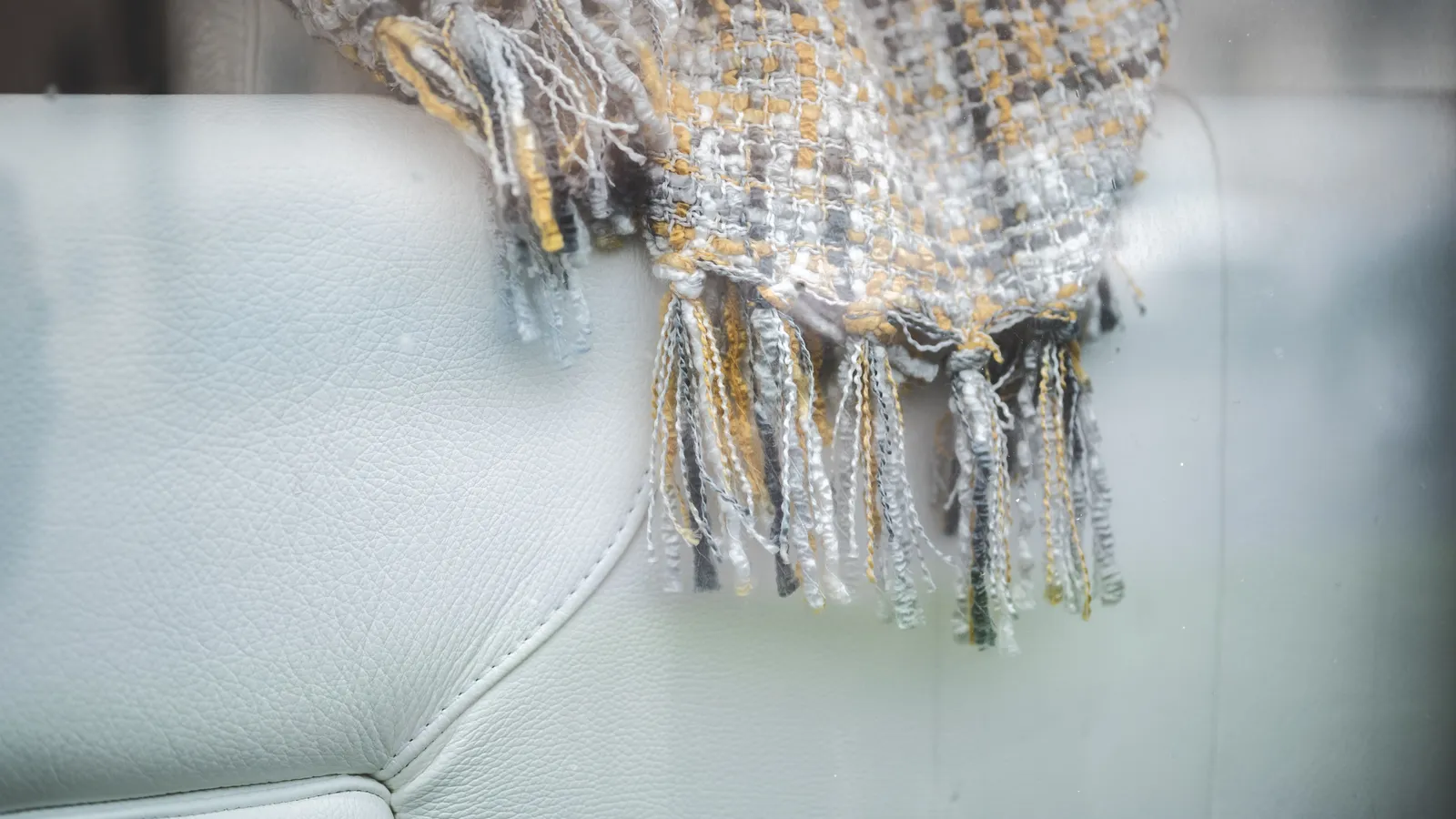
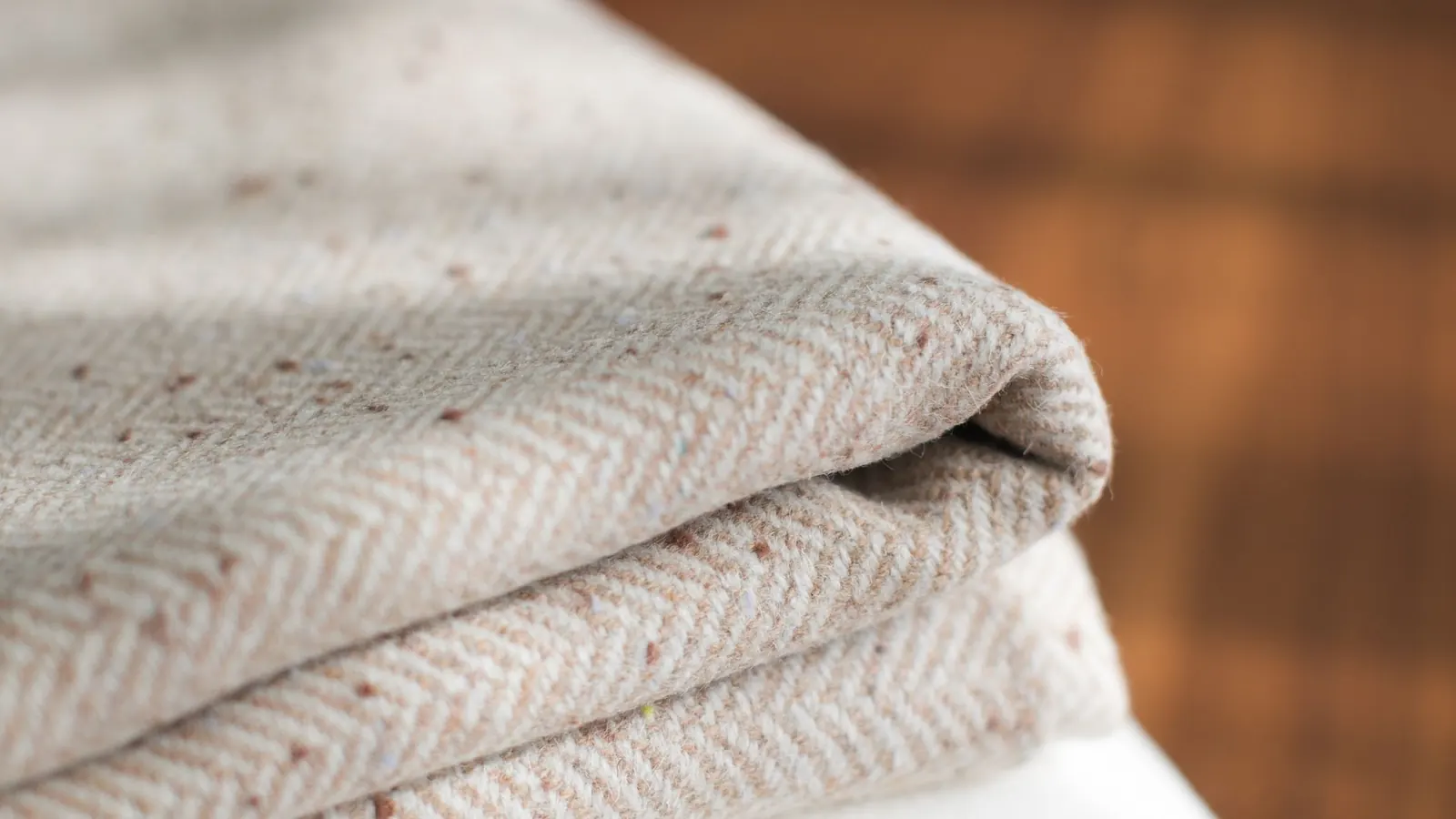
Fleece is light and soft and suits a blanket you will pull on every evening. Sherpa has a thick, plush pile and works in a drafty room. Flannel, a brushed cotton, is the lighter choice for a milder house, and our cooling blanket guide helps if you run hot at night. A chunky or cable knit has the most texture and the most presence in a photograph, and a loop can catch on a ring or a pet’s claw. Woven cotton or acrylic throws are flatter, often fringed, and easy to fold. Wool and wool blends are dense, and they often need gentler care, since only blankets labeled washable should go in a machine. On a listing, grams per square meter, where given, is a rough guide to how substantial the fabric is when you compare the same type and size.
Fiber and size are on the product page, so read the percentages and the width and length in inches. A throw suits one person on a sofa; two people sharing need more width; a bed blanket needs the mattress width plus the drop you want on each side. A holiday blanket folded across the foot of a neutral duvet is an easy seasonal change, and the blankets and throws collection is a good place to compare more.
Styling it
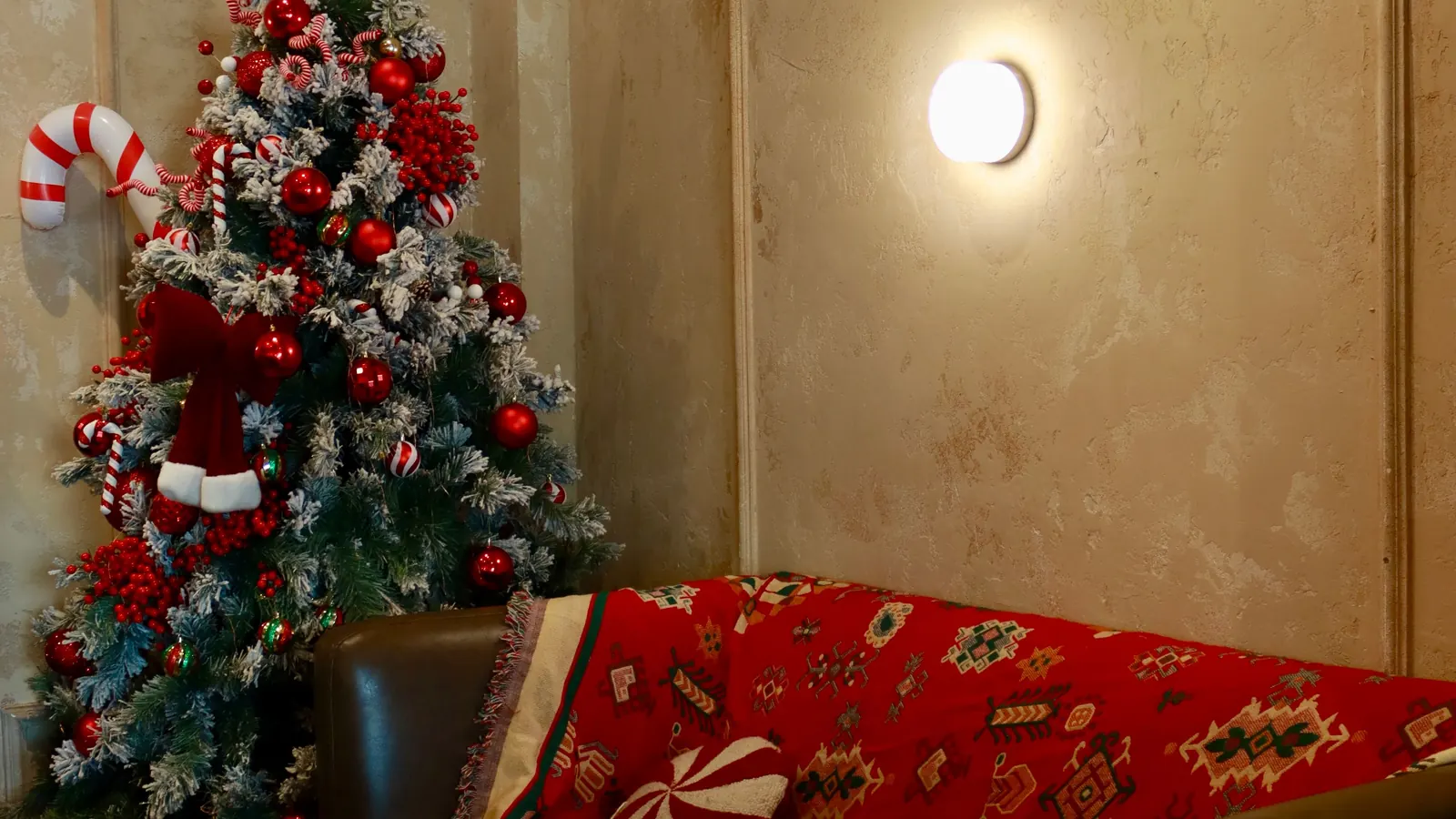
A throw folded in thirds lengthwise and hung over one sofa arm looks deliberate, while the same throw tossed across a corner looks easy and lived in. In a rental living room with a gray sectional and a glass coffee table, a red plaid draped over the chaise arm brings in the season, and one cushion in matching green is enough to tie it together. Armchairs take a blanket laid over the back so it falls onto the seat. At the foot of a bed over white bedding, a plaid or Fair Isle blanket gives a darker band that frames the bed. A basket by the fireplace holding two or three rolled blankets works as decoration and keeps them within reach, as does a blanket ladder. Were we choosing for January as well as December, we would stop at one patterned blanket per seating group, since two competing plaids look like a mistake.
For more on warming a room in the evening, see how to light a living room for the evening.
Keep it away from flames and heaters
Holiday rooms have more heat and flame in them than usual: candles, a fireplace, a space heater, a tree with lights. The U.S. Fire Administration says to keep a tree at least 3 feet from heat sources such as fireplaces, radiators, space heaters, candles and heat vents, and candles at least 12 inches from anything that burns. NFPA’s heating guidance says to keep anything that can burn at least 3 feet from heating equipment, and that includes a blanket thrown over a sofa arm next to a space heater. Leave a blanket off a mantel where candles burn, and do not leave one over a lamp or heater. Treat a fireplace the same way: a blanket that slides toward an open fire is a hazard, so use a sturdy screen and keep throws well back.
If a decorated sofa sits near one of these, move the blanket to another seat for the season.
Gifts, care and storage
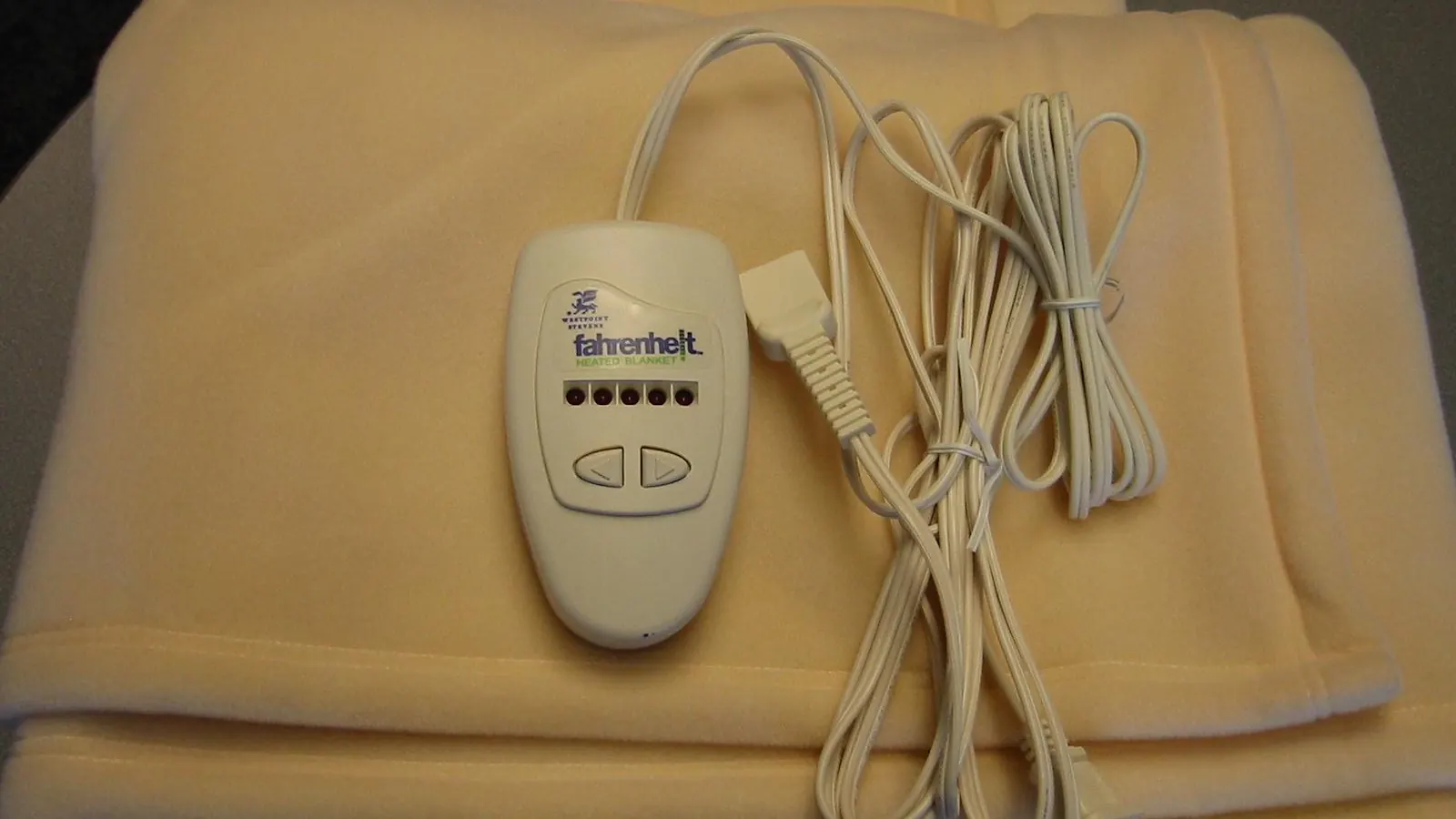
A neutral or plaid throw is a safer gift than a novelty print, and a label that says machine washable is easier for most people than dry-clean-only wool. For a person who is always cold, a battery-heated throw is another option; our cordless heated blanket guide explains how they work, and heated blankets come with their own safety instructions. A throw given to new parents belongs on the sofa: CPSC’s safe-sleep guidance calls for a bare crib or bassinet with only a fitted sheet.
Read the care label first. A new deep red or green throw is worth washing on its own the first time in case it releases dye. As general fleece care rather than a rule from any one maker, cool water, no fabric softener and low or no heat are the usual habits for fleece and sherpa; the tag on the blanket still wins. Before the blanket goes into storage, wash it and let it dry fully. Pendleton says body oils attract moths, so wool should be clean before it goes into an airtight bag or container; it rates cedar and herbal products as offering limited protection. For other fabrics, a clean, dry bin or breathable cotton bag works.