Each buying guide starts from the decision you actually have to make (size, material, how it will be used) and only then looks at specific products. The articles cover layout and style.
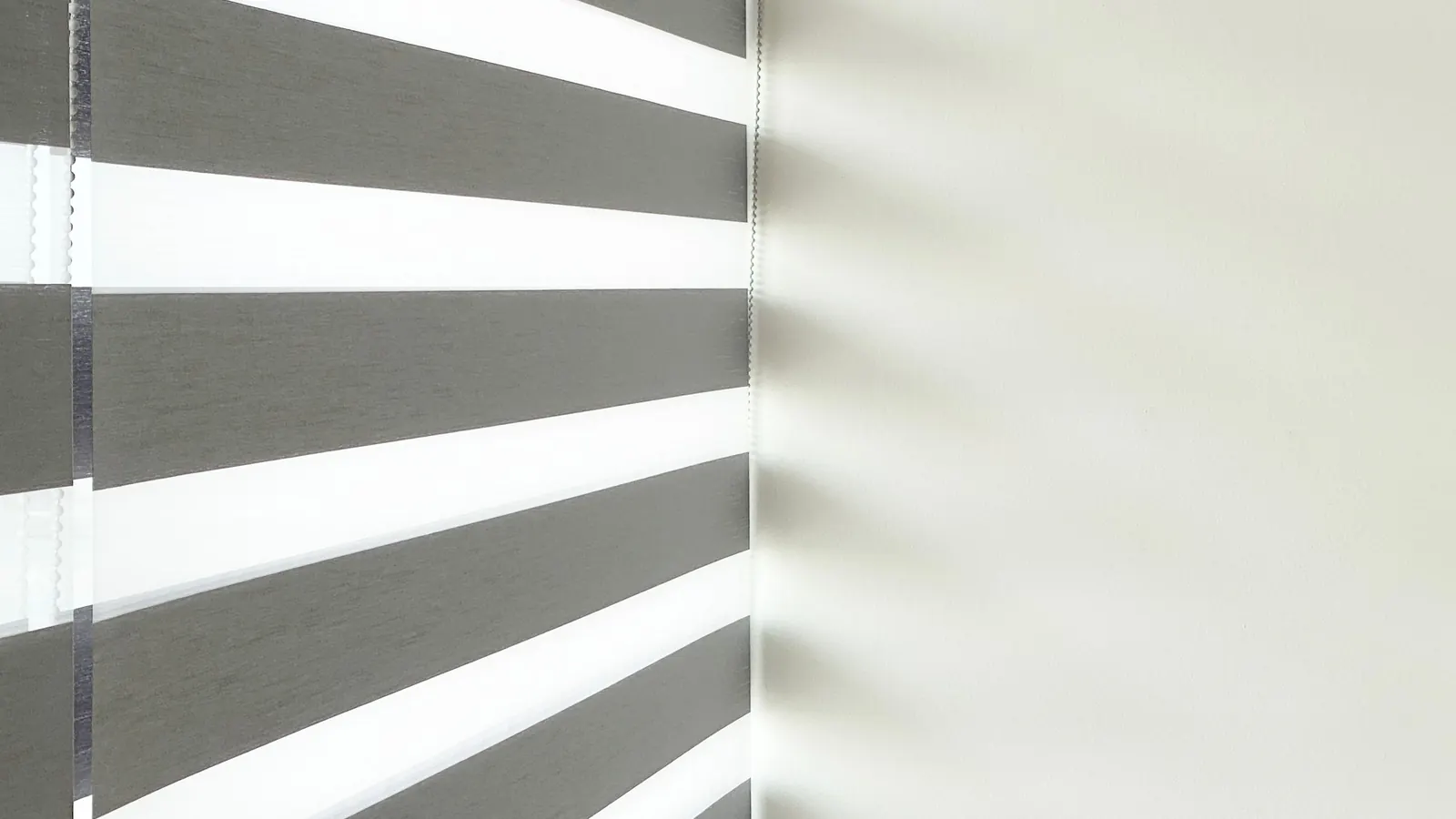
Two independent fabrics and a banded zebra shade both get called dual. Know the mechanism first, then choose by privacy, darkness, mounting and the controls you will use.
An end table serves the person sitting next to it. Decide what needs to be in reach, then compare height from that seat, the base, storage and three real compact tables.
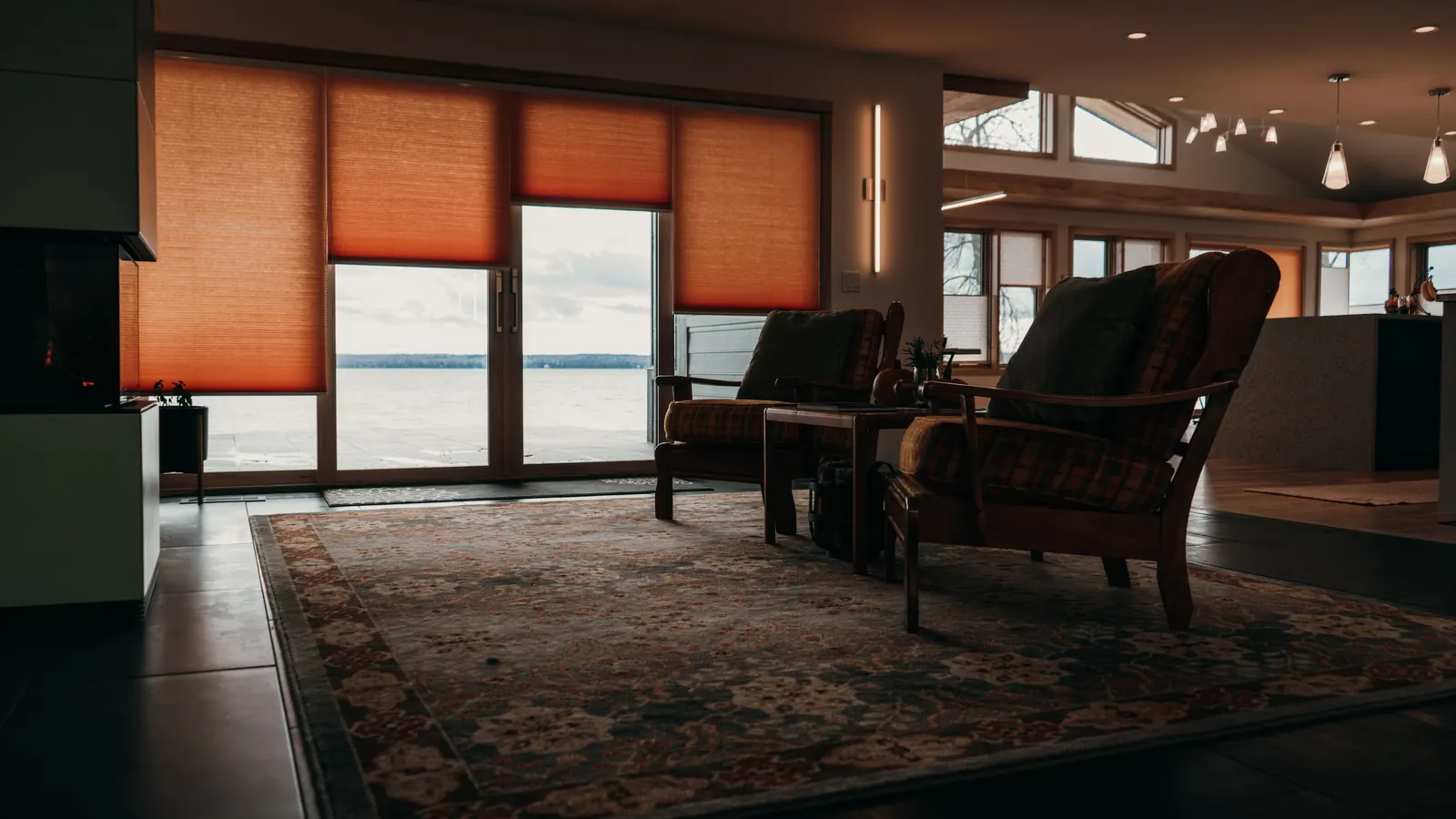
Summer sun and winter heat loss call for different fixes. Match cellular shades, lined curtains, exterior screens or interior panels to the problem at your window.
Decorative, operable and storm-rated shutters are three different purchases. Pick the job, size them to the window so they look right, and keep protection claims specific.
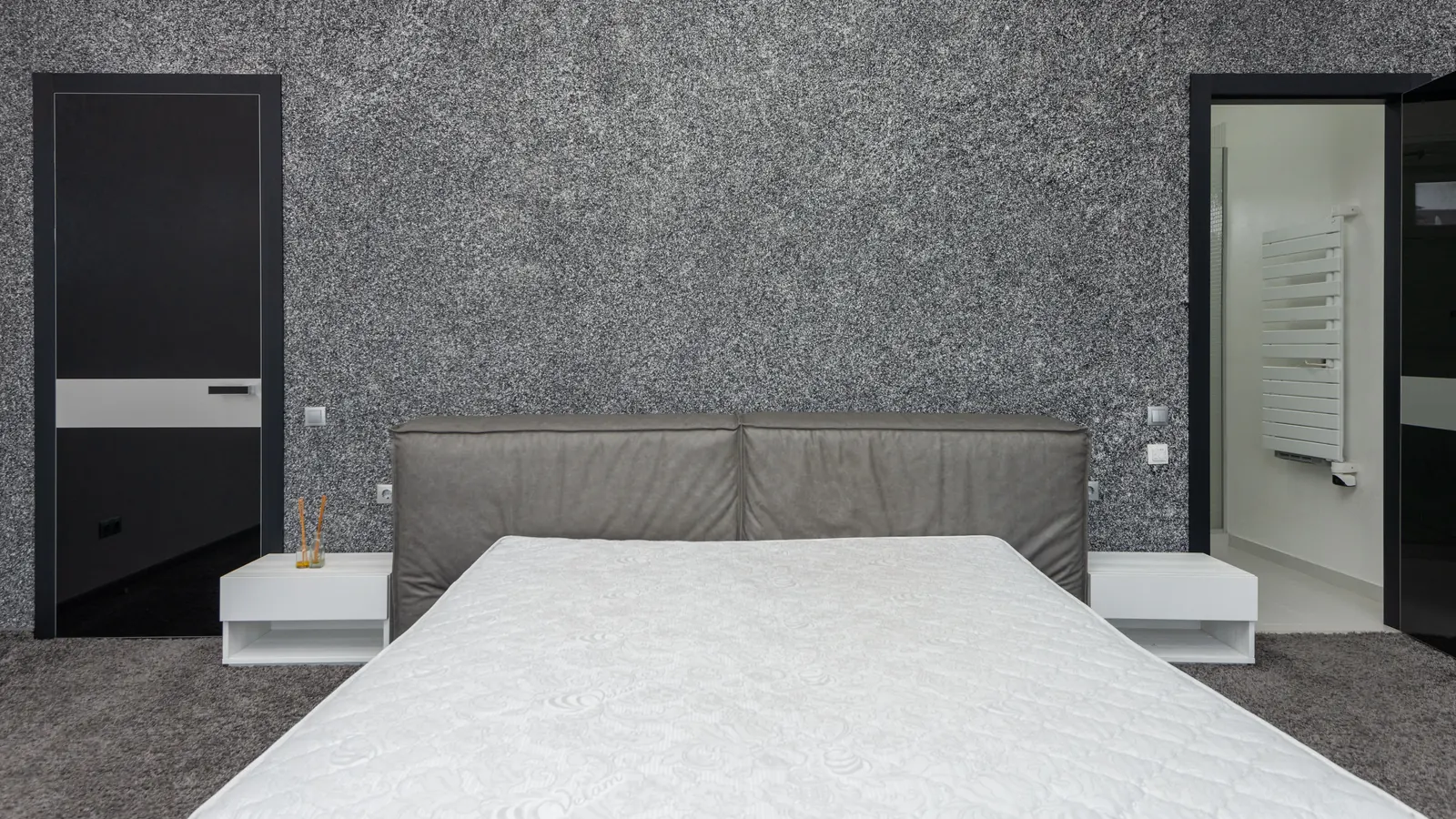
One commonly taught feng shui approach places the bed where you can see the door without lying in line with it. How it works, and what to do with several doors or a window wall.
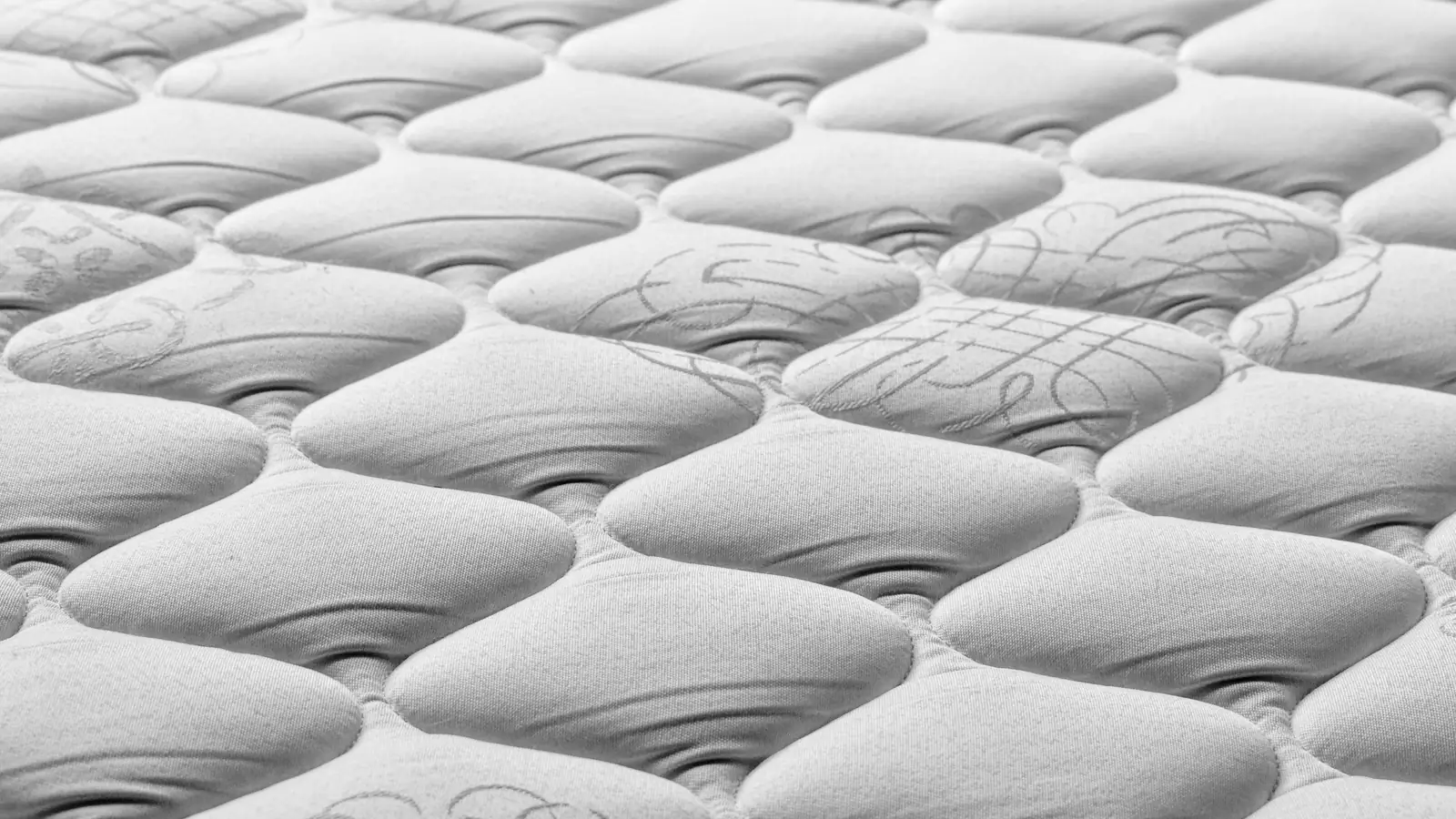
Firm means different things at the surface and deeper down, and each brand scales it its own way. How to compare the exact firmness option and the bed it will sit on.
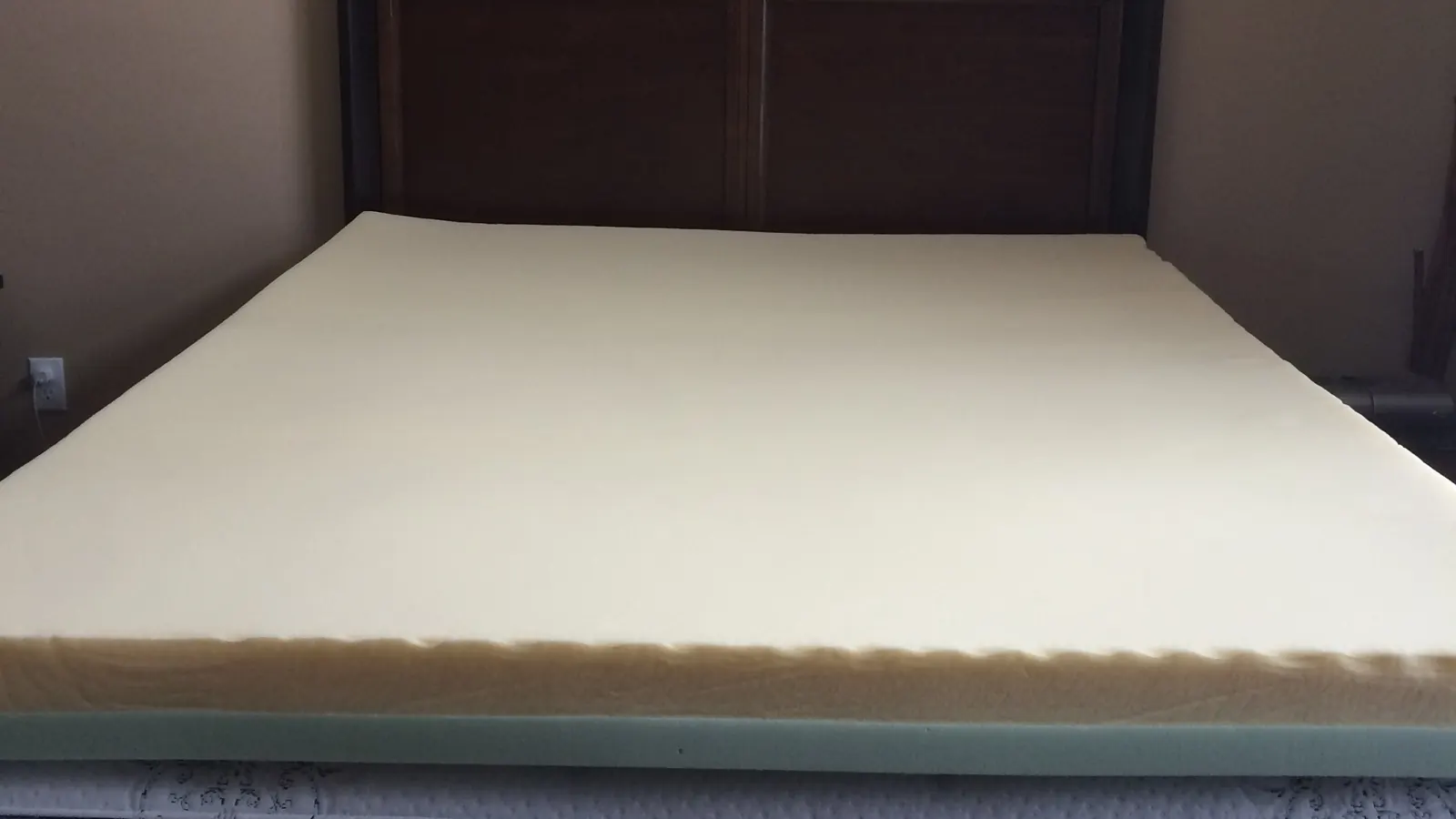
A firm topper can change the feel of a sound mattress, but it will not fix a sagging one. Check the bed first, then compare construction, thickness, Twin XL fit and return terms.
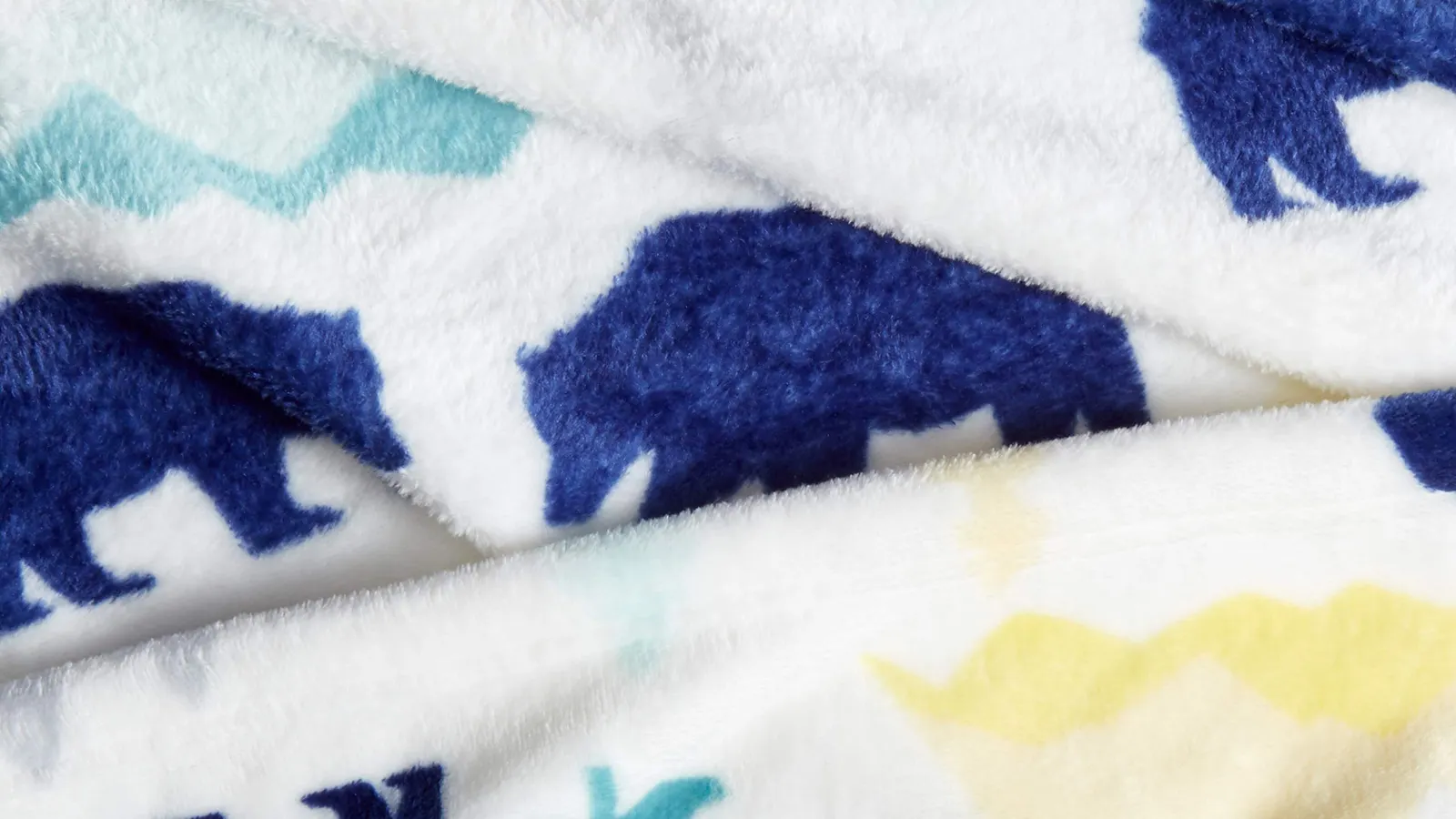
Not all fleece washes alike. Choose by where the blanket will be used, then read the fiber, the size, the edge finish and the care label, with two real examples to compare.
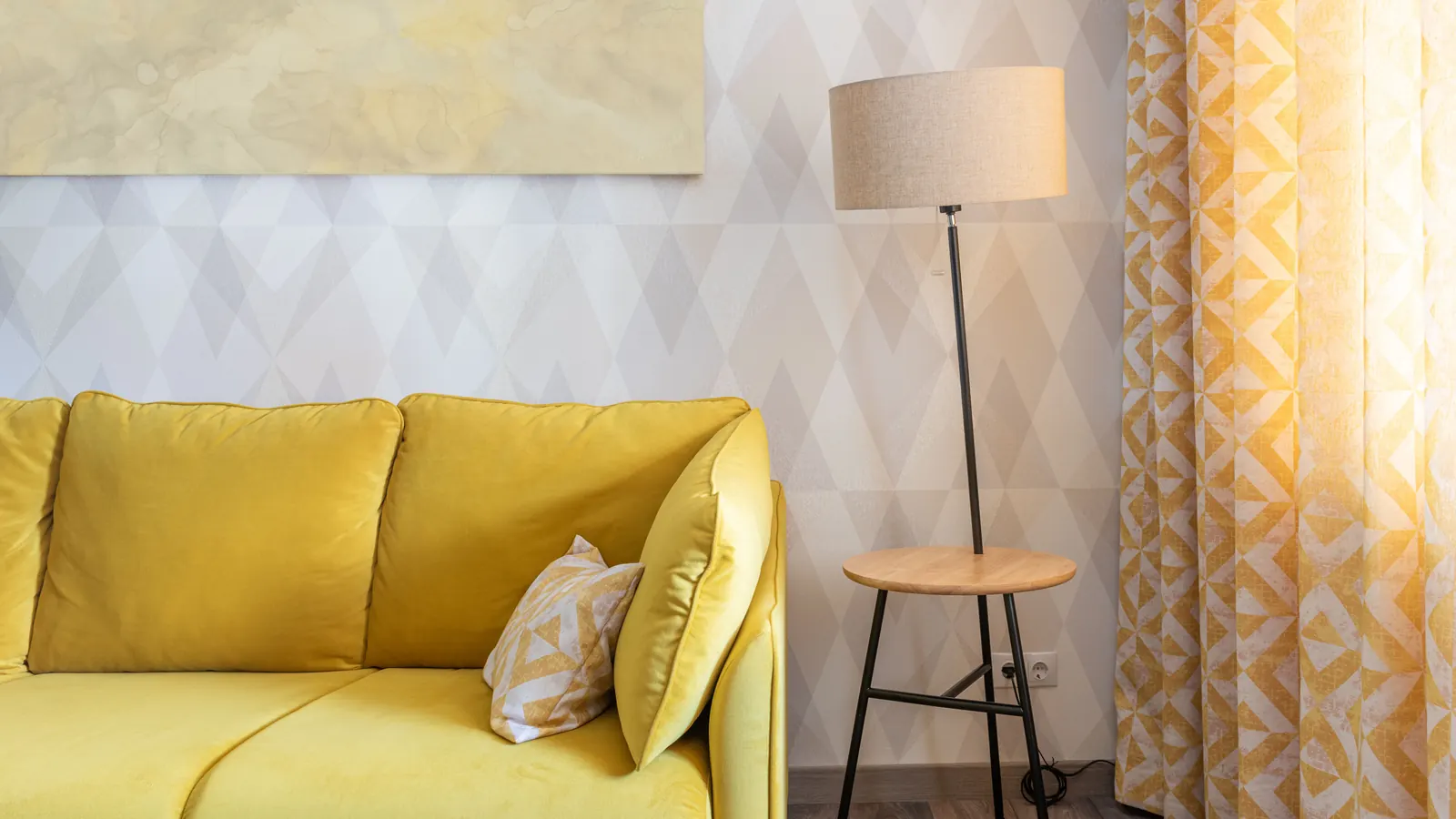
Try seven floor-lamp arrangements for reading, conversation, a sectional and layered room light. Plan the base, shade and cords alongside the furniture.
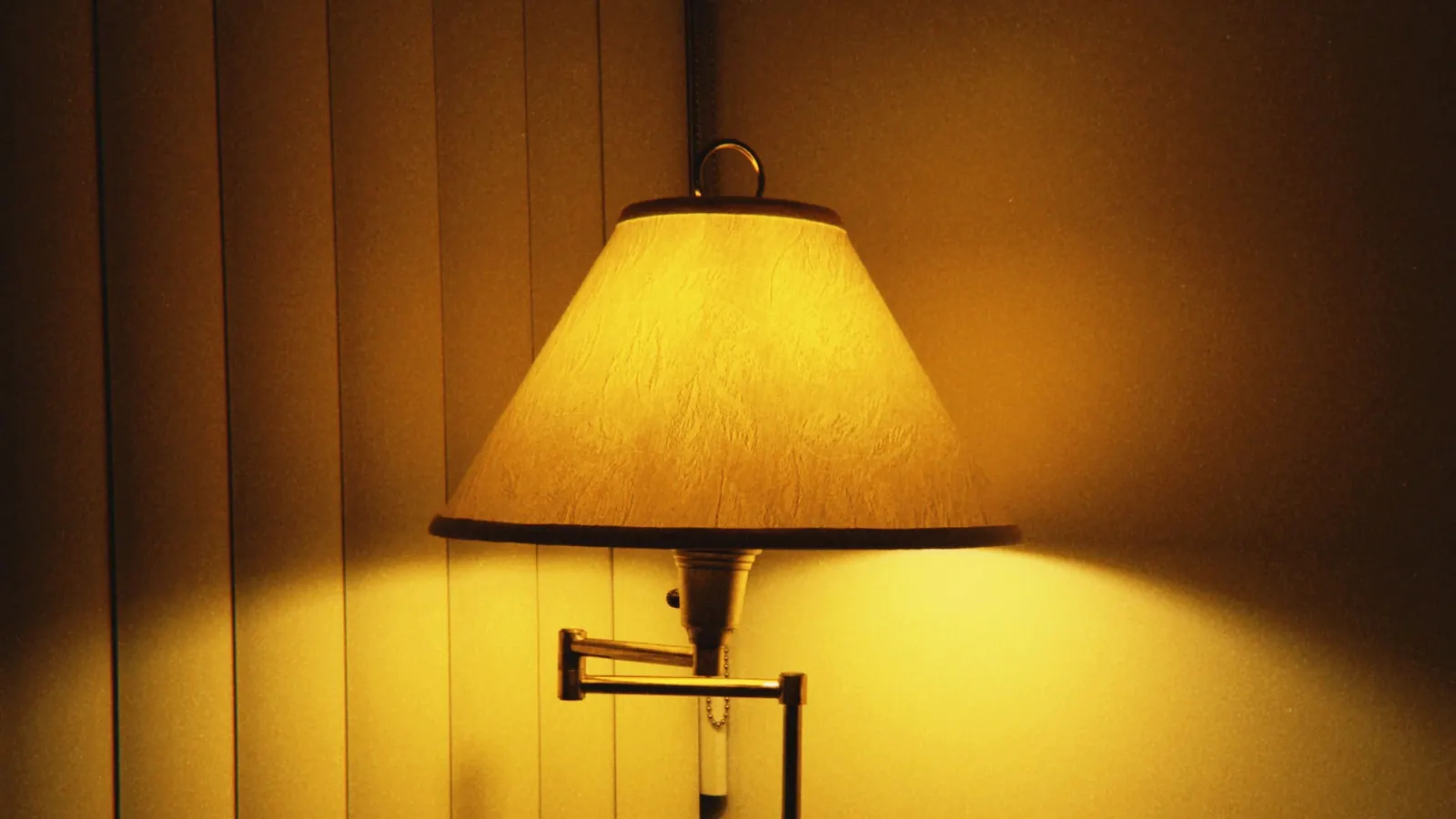
A replacement shade has to fit the lamp before it suits the sofa. Record the lamp and old shade, identify the fitter, measure more than the bottom width, then pick the look.