Each buying guide starts from the decision you actually have to make (size, material, how it will be used) and only then looks at specific products. The articles cover layout and style.
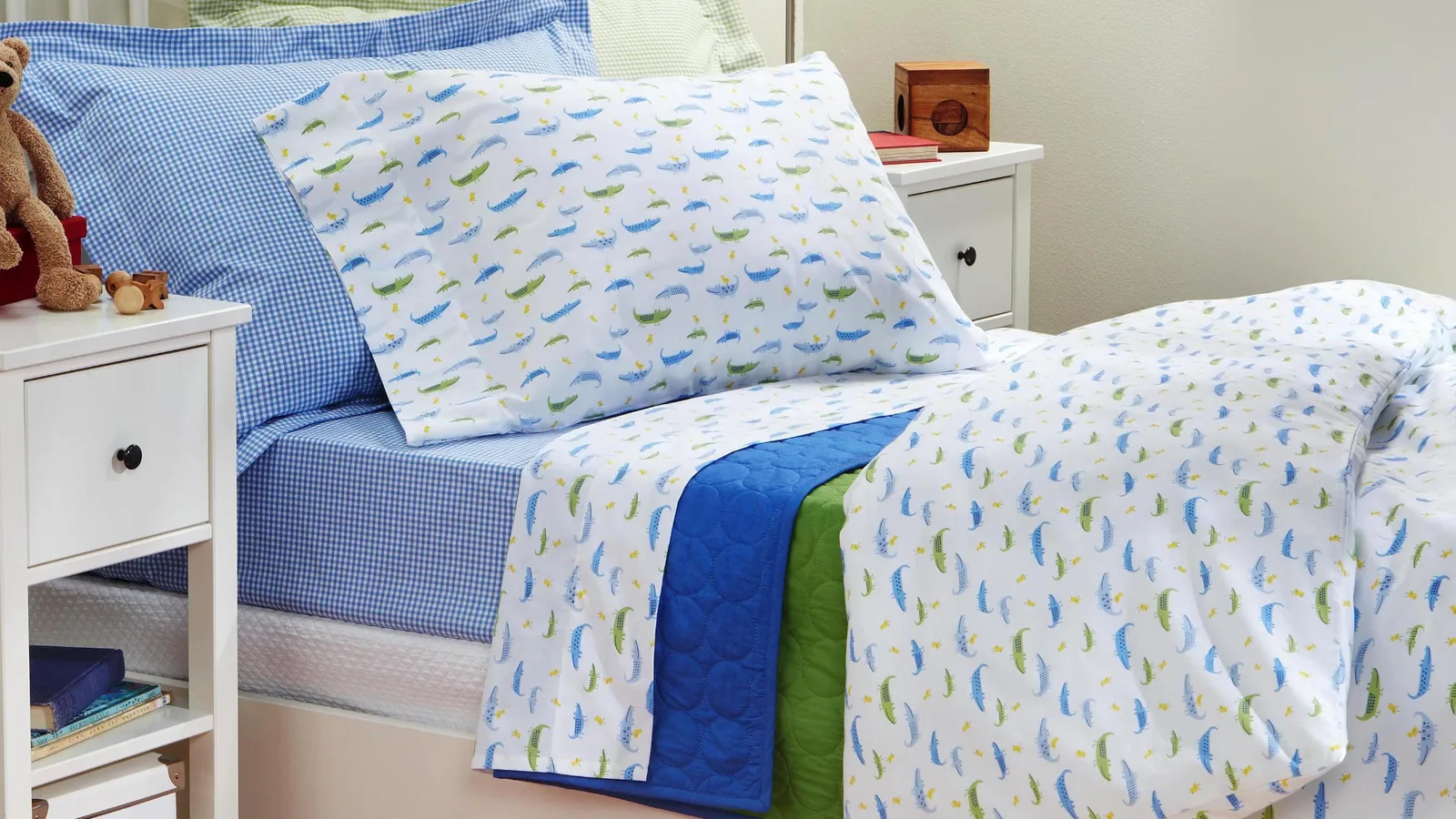
A fitted sheet, a duvet cover with an insert and a filled comforter are different purchases, even in one photo. Count the pieces, fit the real mattress and plan an easy wash day.
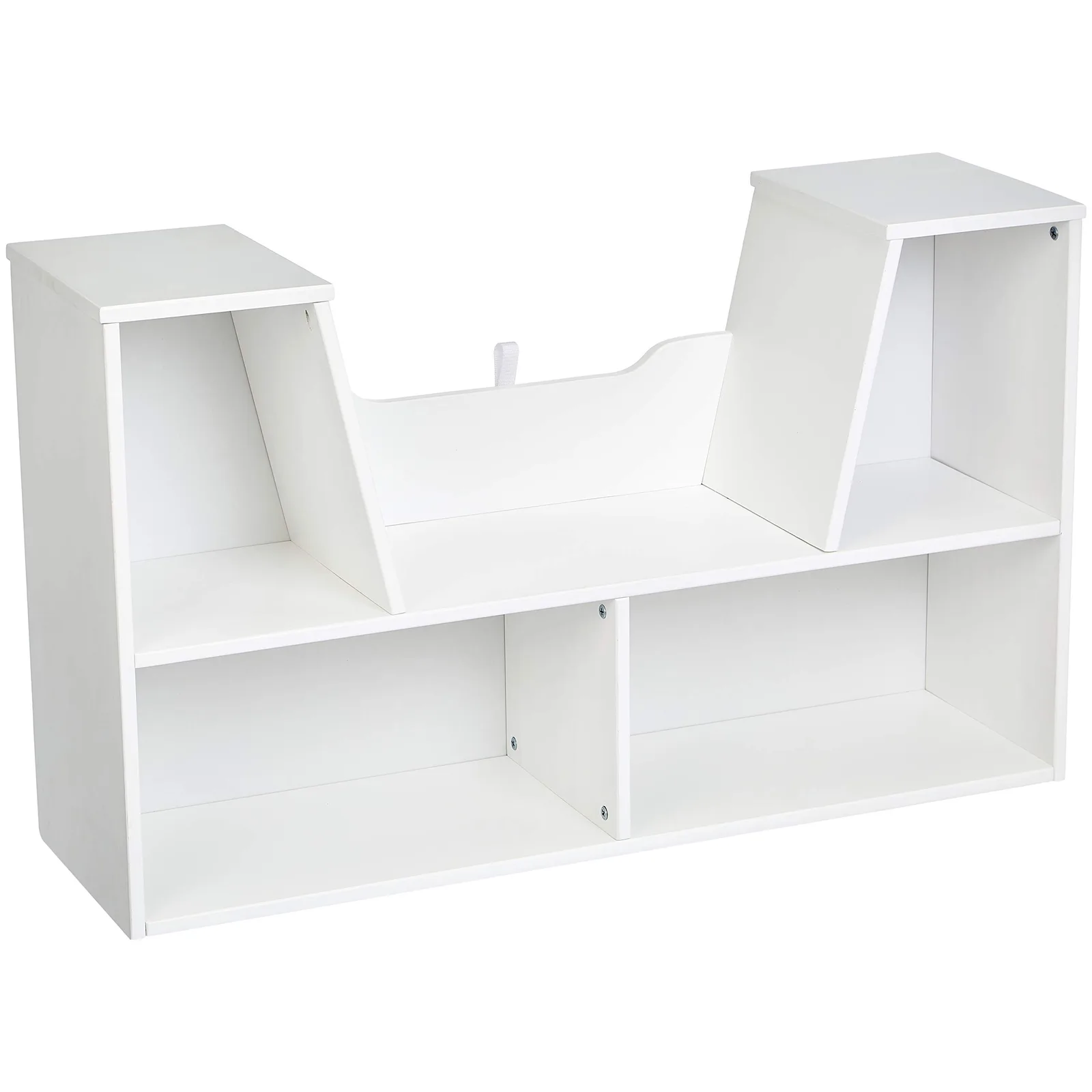
A shallow face-out shelf helps a child choose; a tall bookcase holds the collection. Measure the books you own, then pick the format that makes putting them back easy.
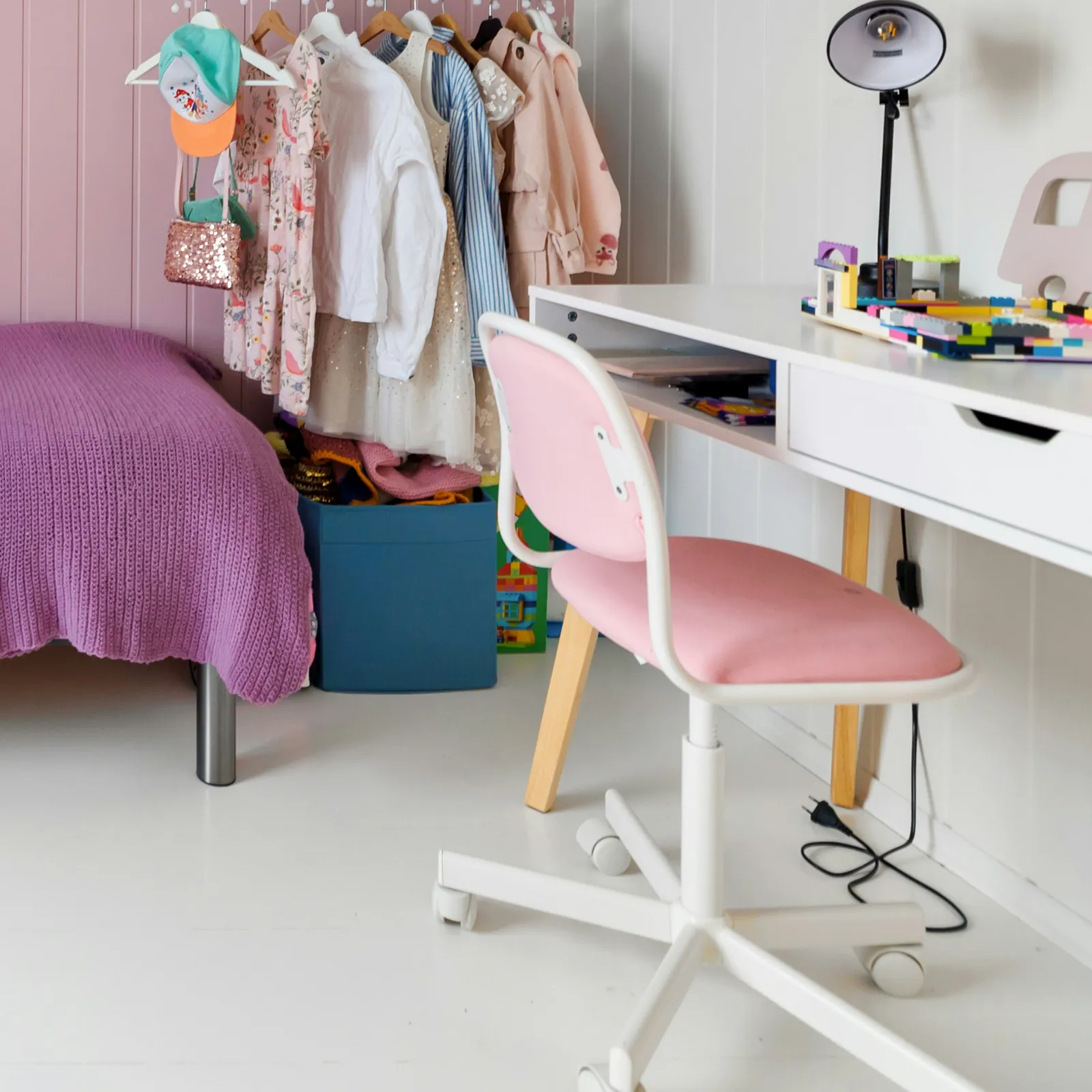
Raising a chair to a high desk can leave a child's feet dangling. Measure under the desk, check the fit during real homework and compare two chairs by their actual controls.
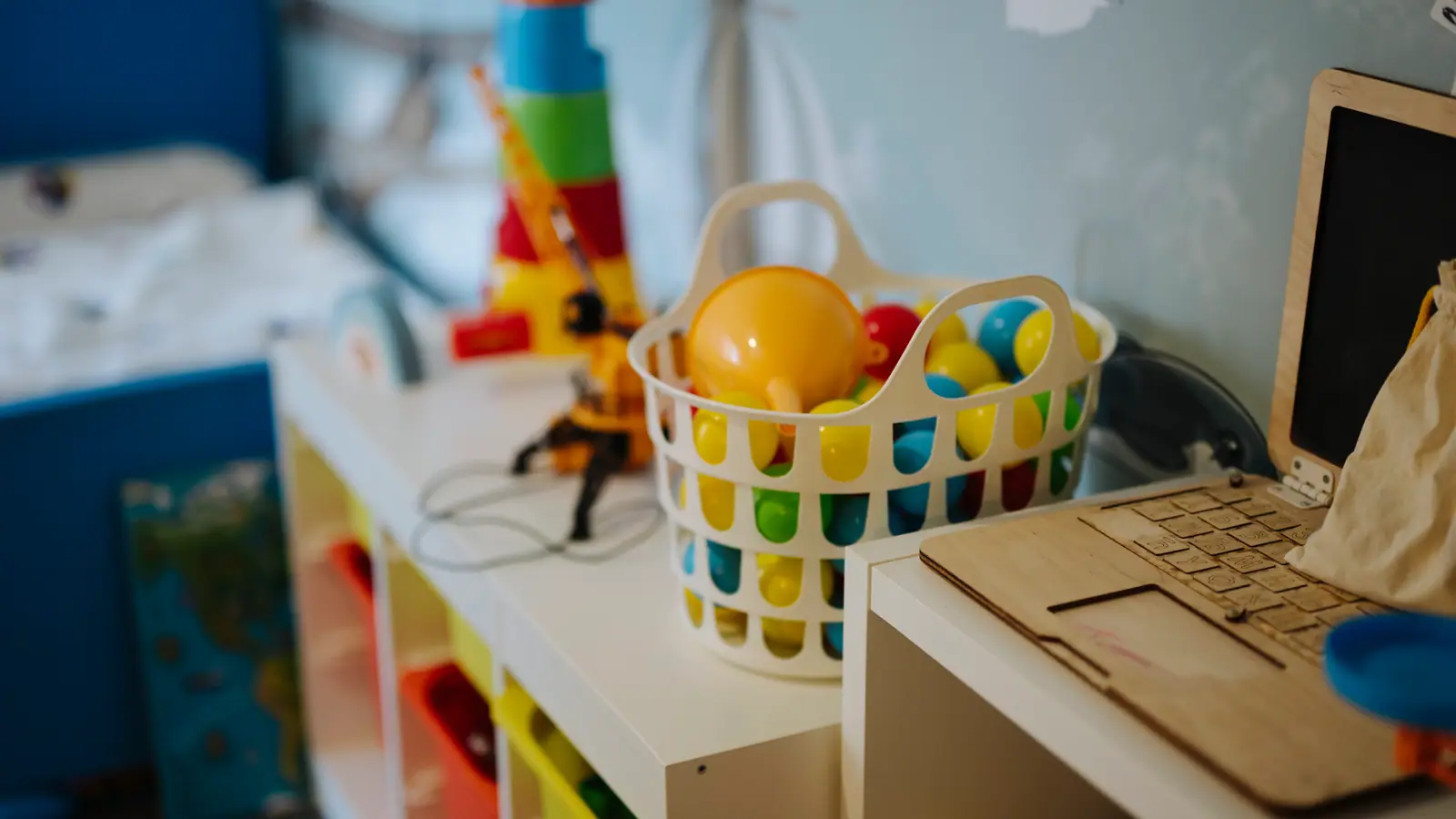
Start with what keeps ending up on the floor, the bed or the chair. Give those things an obvious place to return to, and test the routine before buying more bins.
Is the rug for playing on, adding color or a soft landing by the bed? Pick the main job, size it around the furniture, then check backing and care before going big.
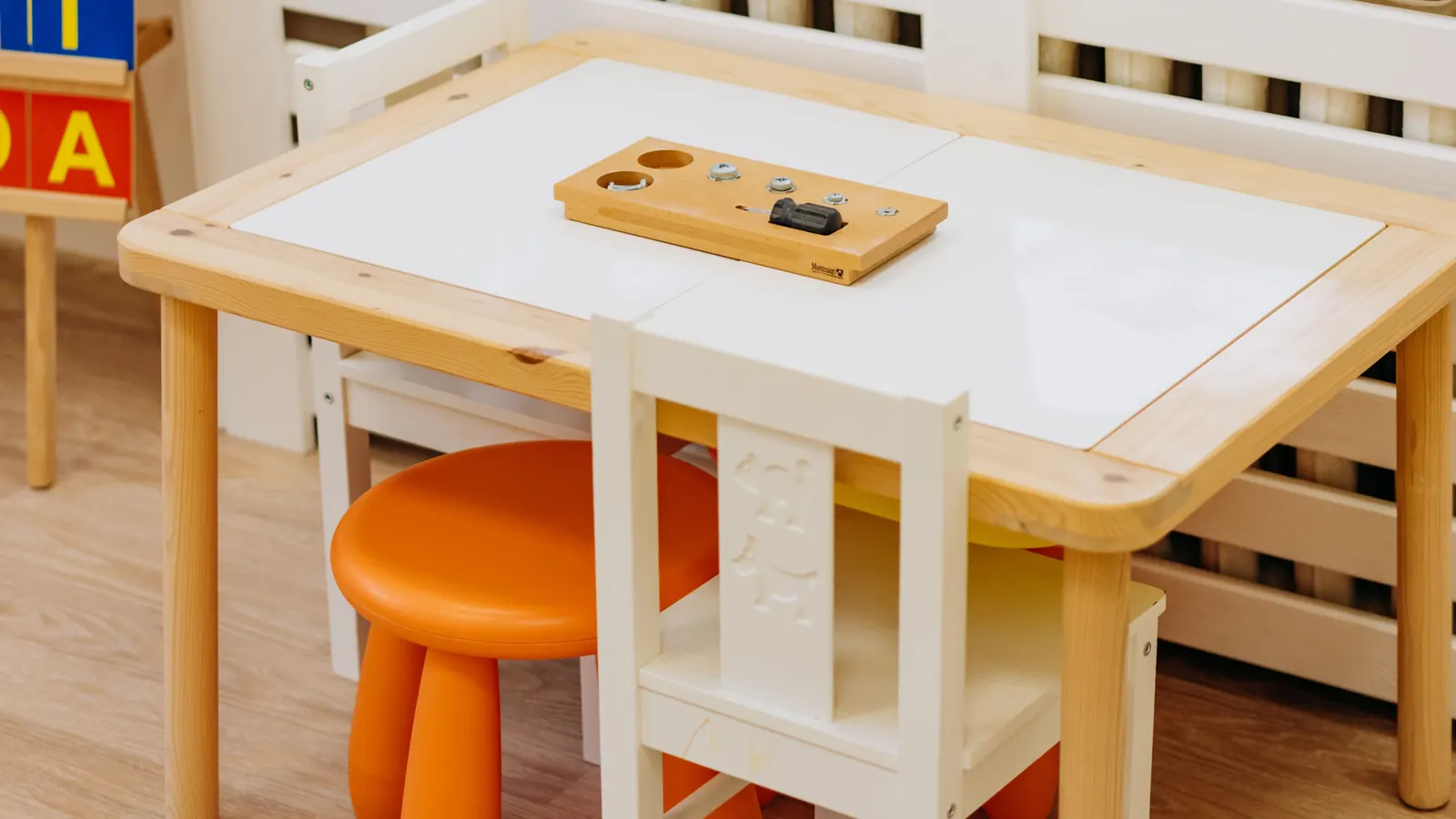
A kids' table should be quick to set up and quick to clear, not a miniature dining set. Check how the child sits, the space the activity needs and how you will clean up.
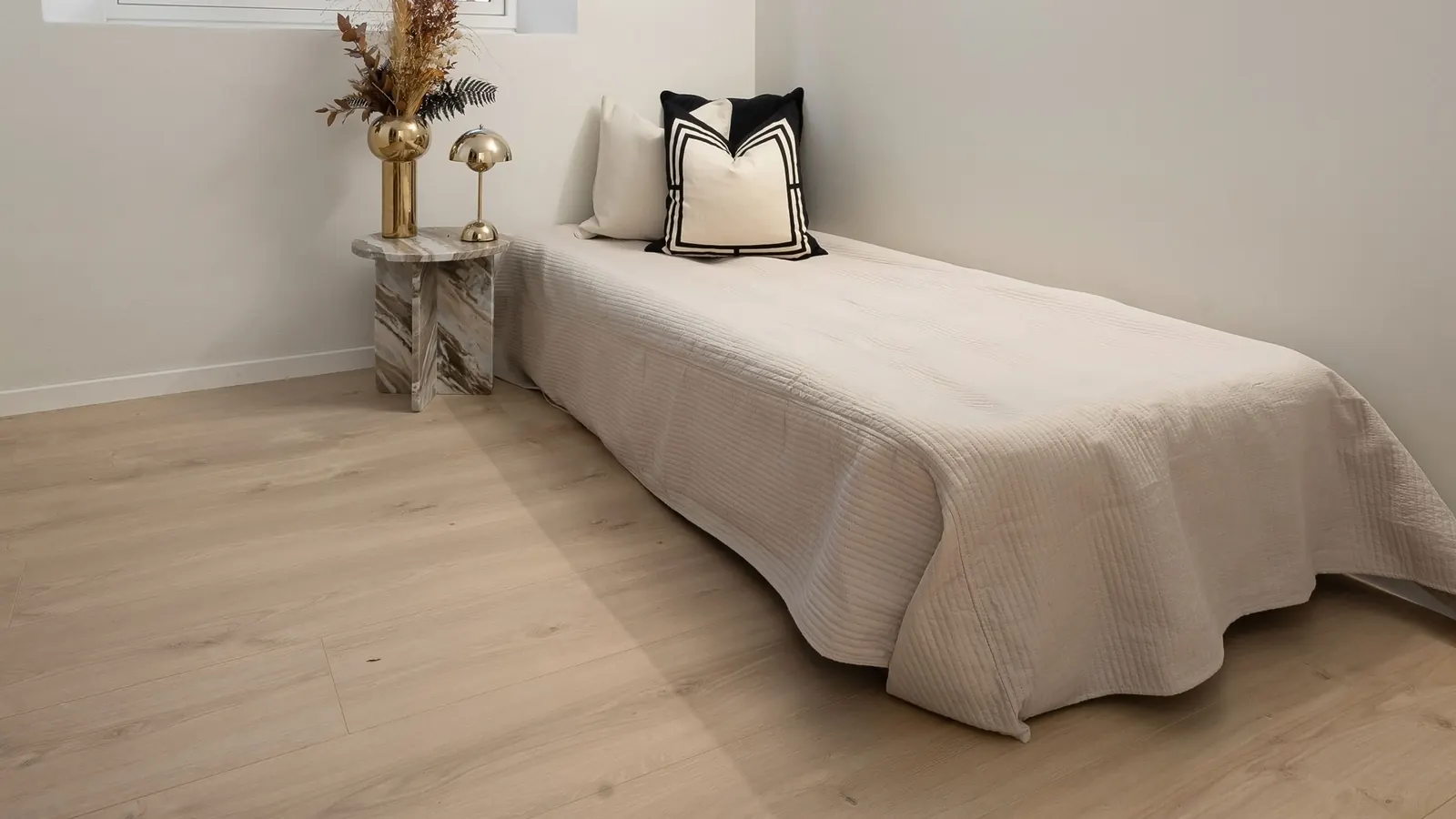
A twin frame has to fit the mattress and the way the room is used: getting in, changing sheets, opening drawers. Start from the exact mattress and the full frame size.
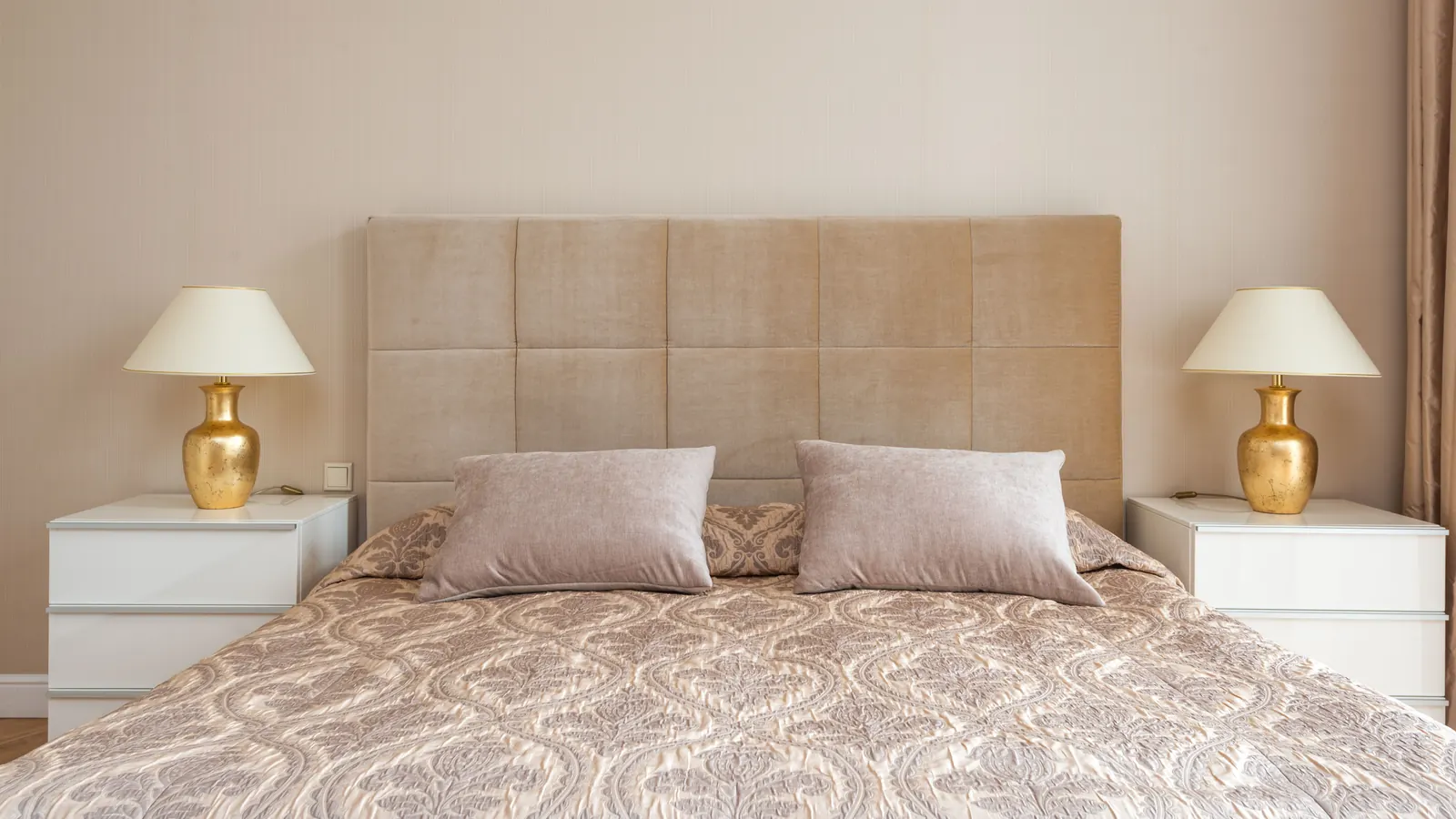
The word set does not tell you how many nightstands come with it or whether it fits your room. Lay out the real pieces, check mattress support and compare the complete cost.
Is your problem width or length? Standard king, California king and split king solve different ones. Choose the format first, then compare constructions within it.
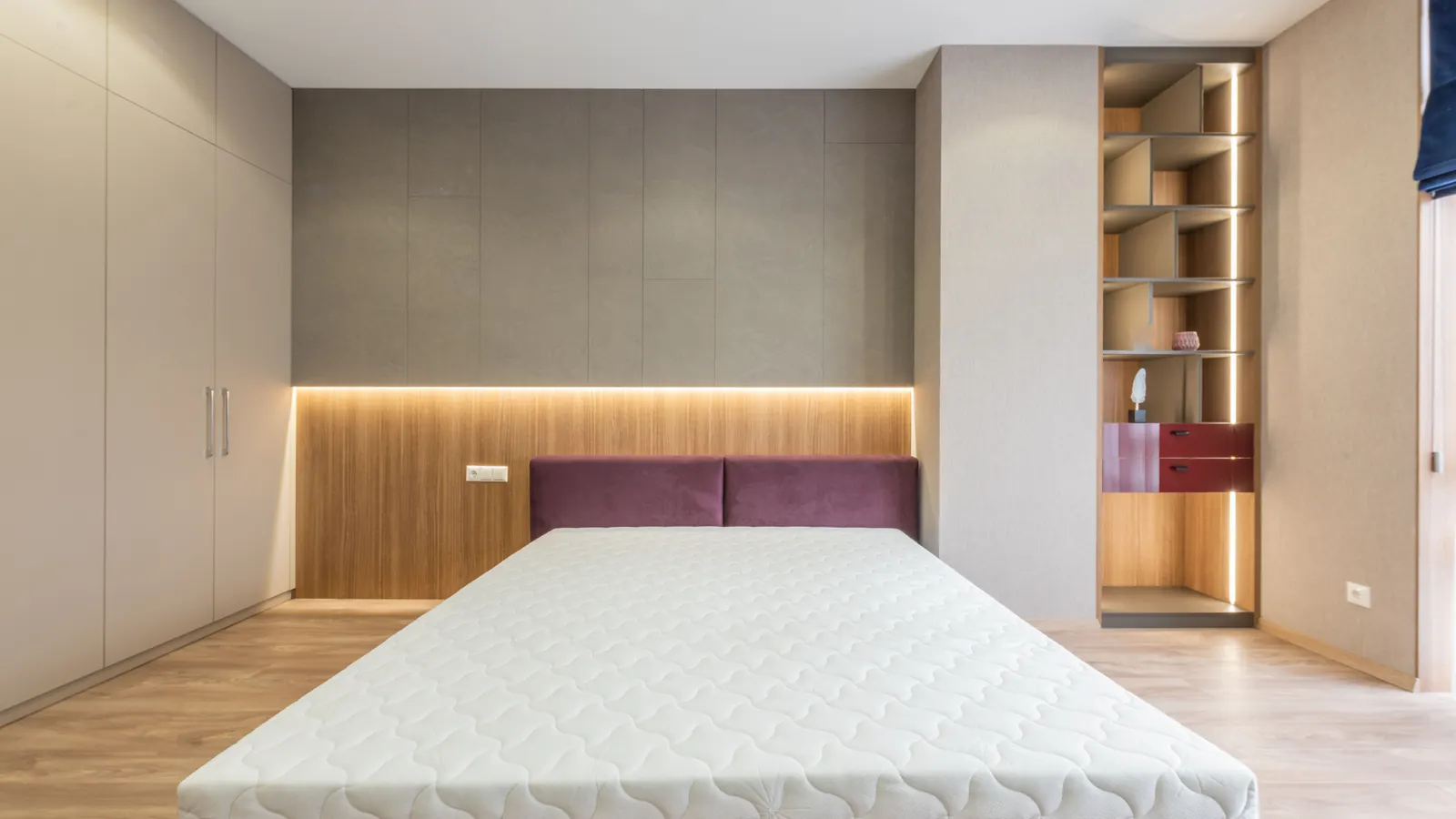
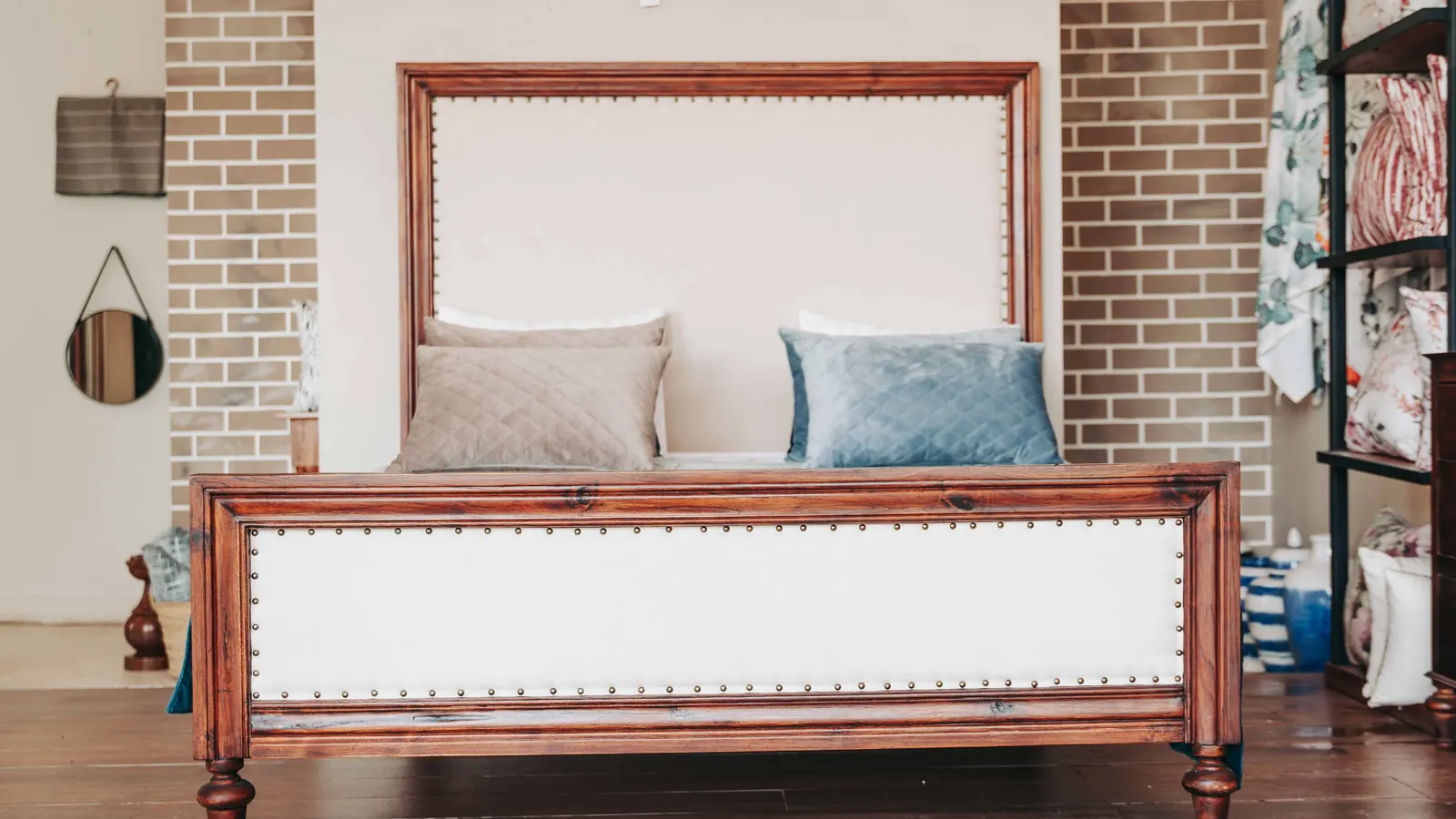
Wood finish is easy to judge in a photo; support, outside dimensions and included parts are not. Confirm which king you need and look under the mattress before choosing.