Each buying guide starts from the decision you actually have to make (size, material, how it will be used) and only then looks at specific products. The articles cover layout and style.
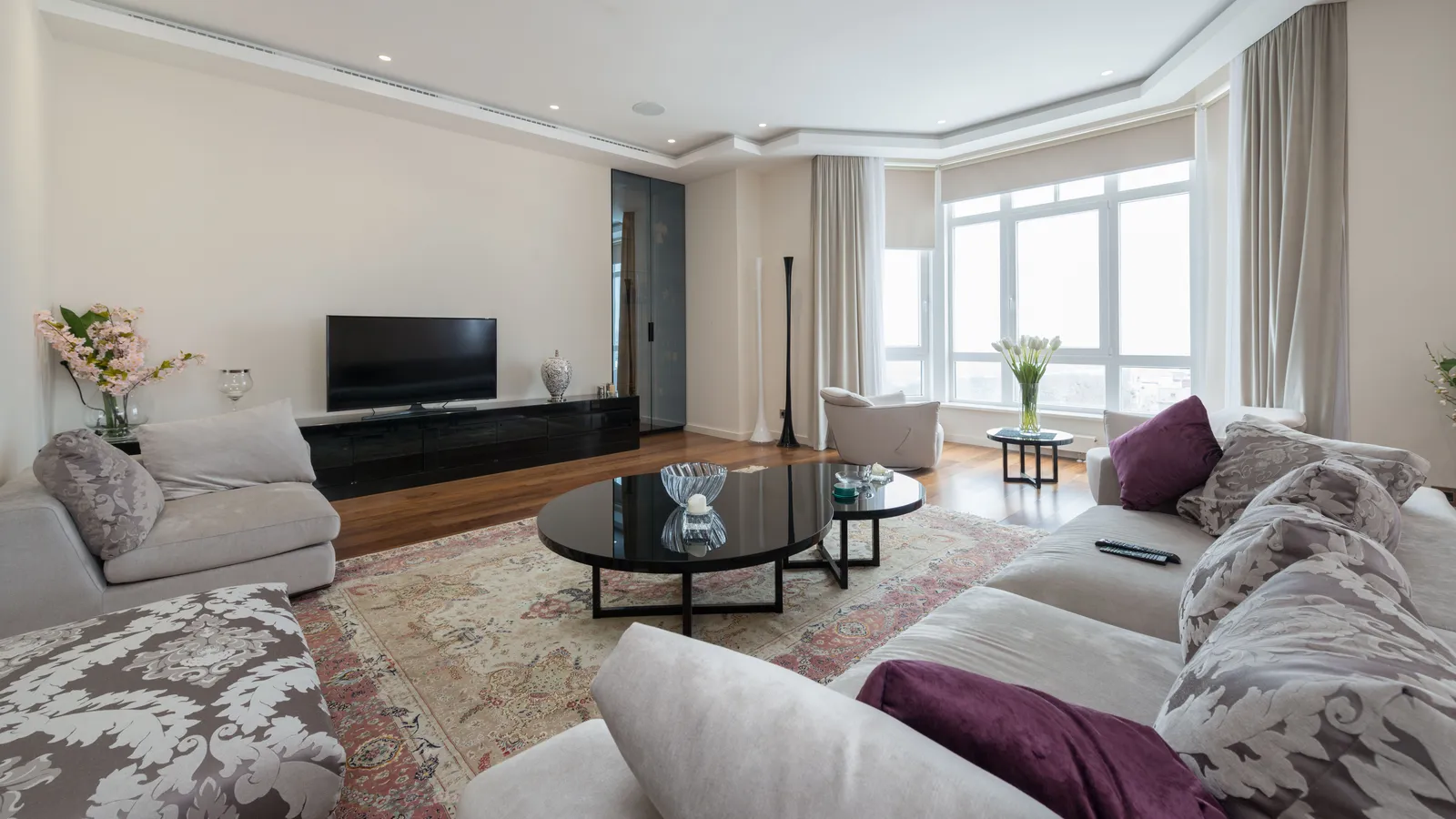
A room for conversation, one for watching a screen and one that doubles as a route to the kitchen need different layouts. Five arrangements compared, and how to test yours first.
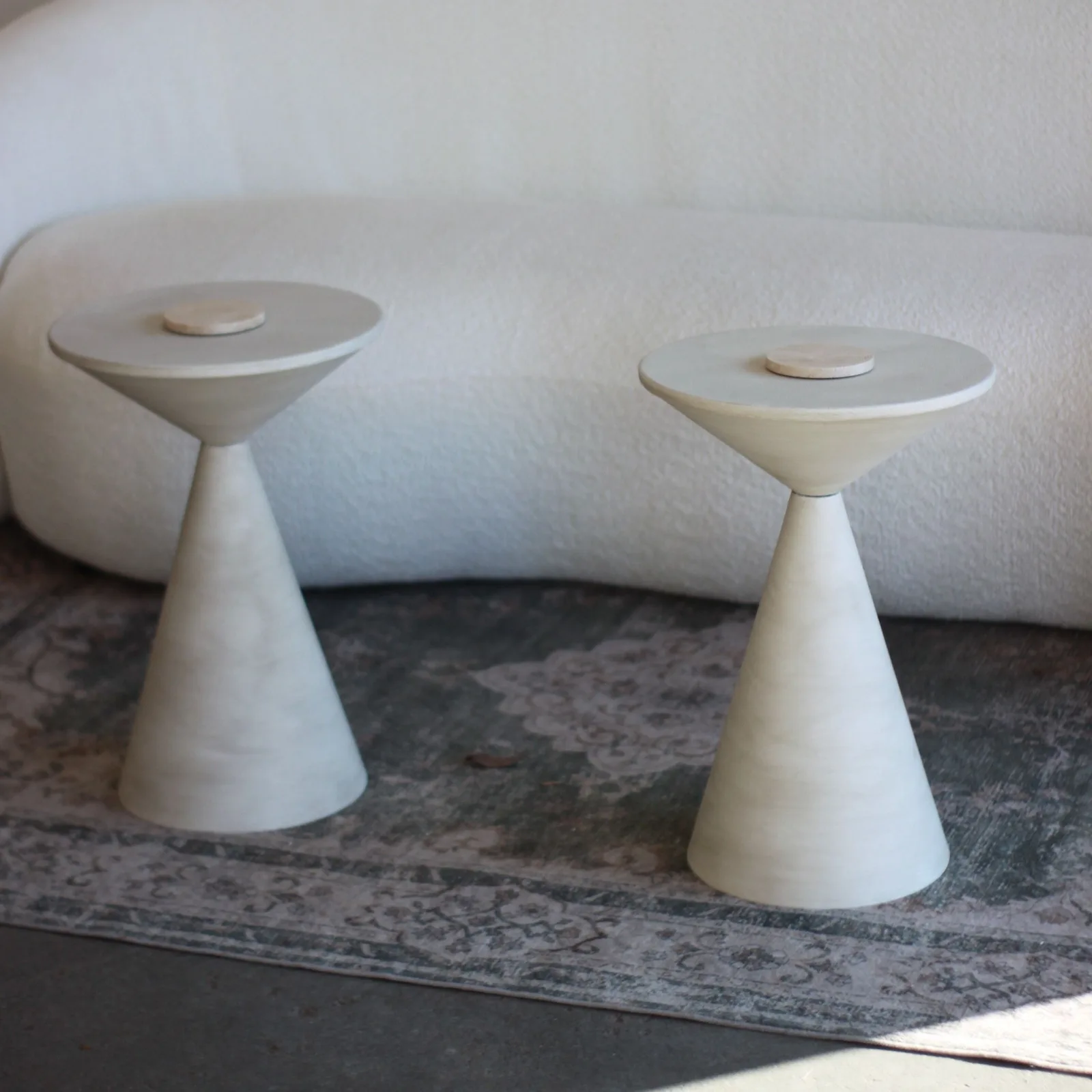
A table set should give the sofa a surface, the chair somewhere for a drink and still leave a way through. Map the seats first, then check whether the set's layout fits them.
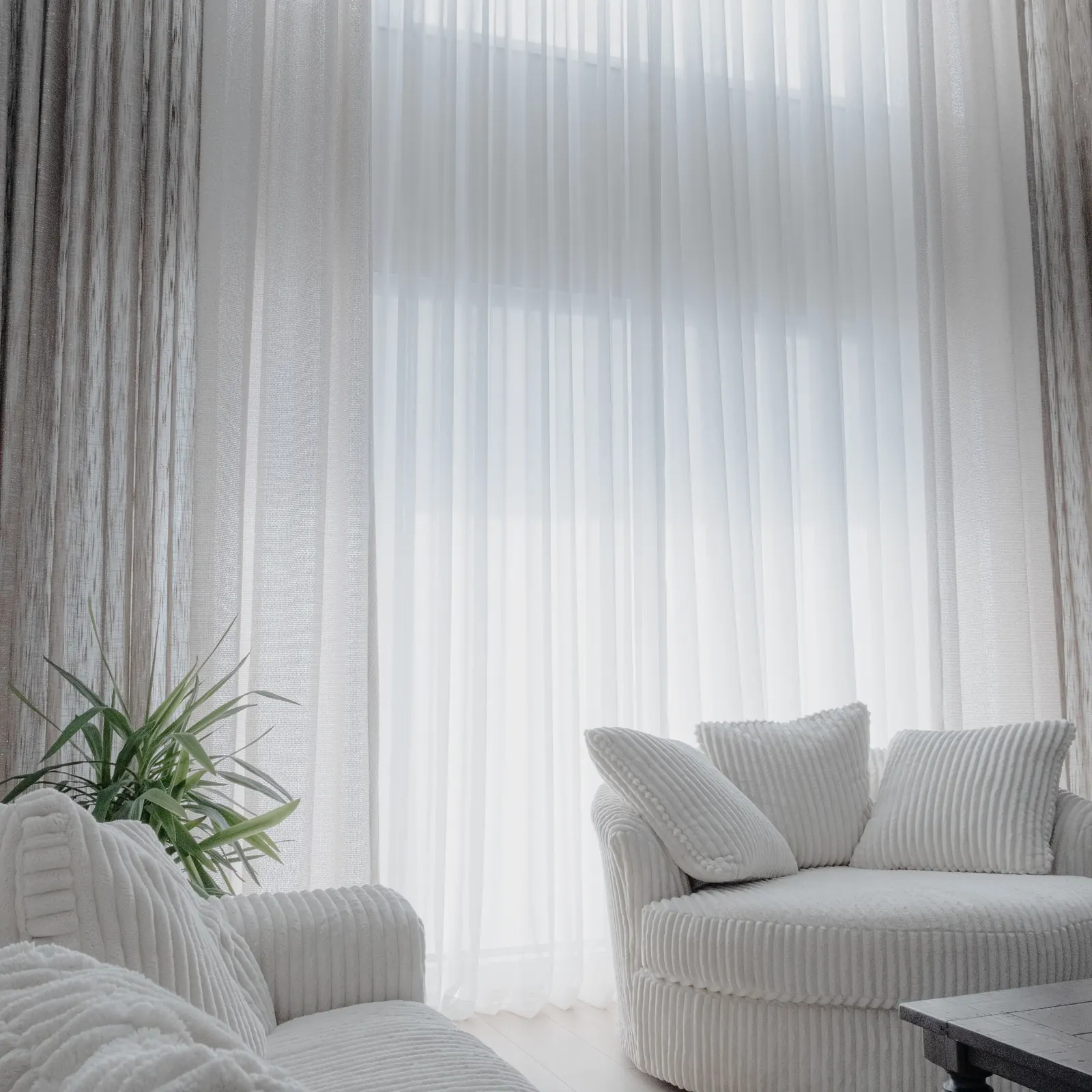
A 118-inch panel can solve a tall window, but length alone will not give you blackout, width or the right heading. Read the four specifications separately before ordering.
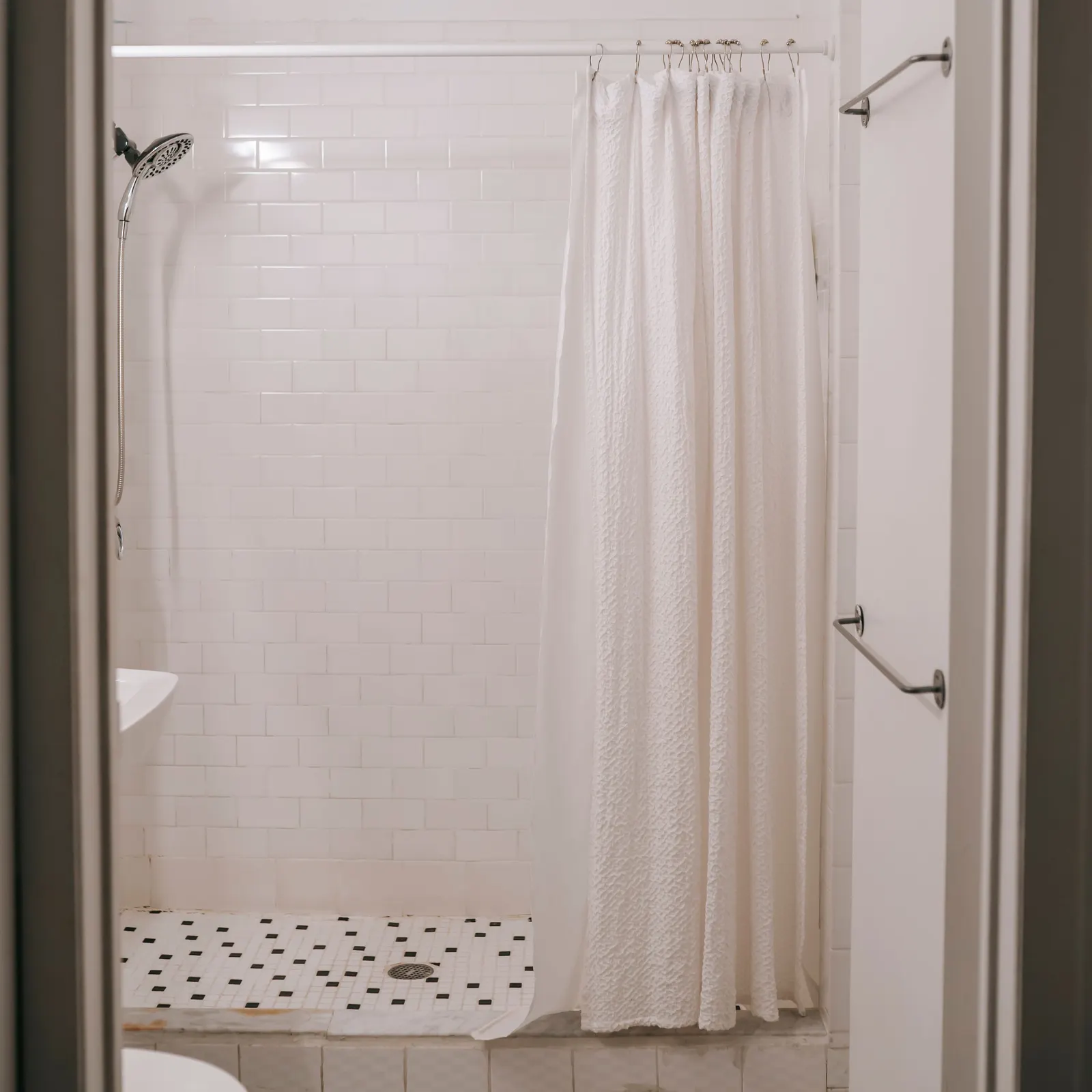
Raise the rod for a longer curtain by eye and the liner may stop short of the tub. Measure from the hanging point, plan the liner separately and check width as well as drop.
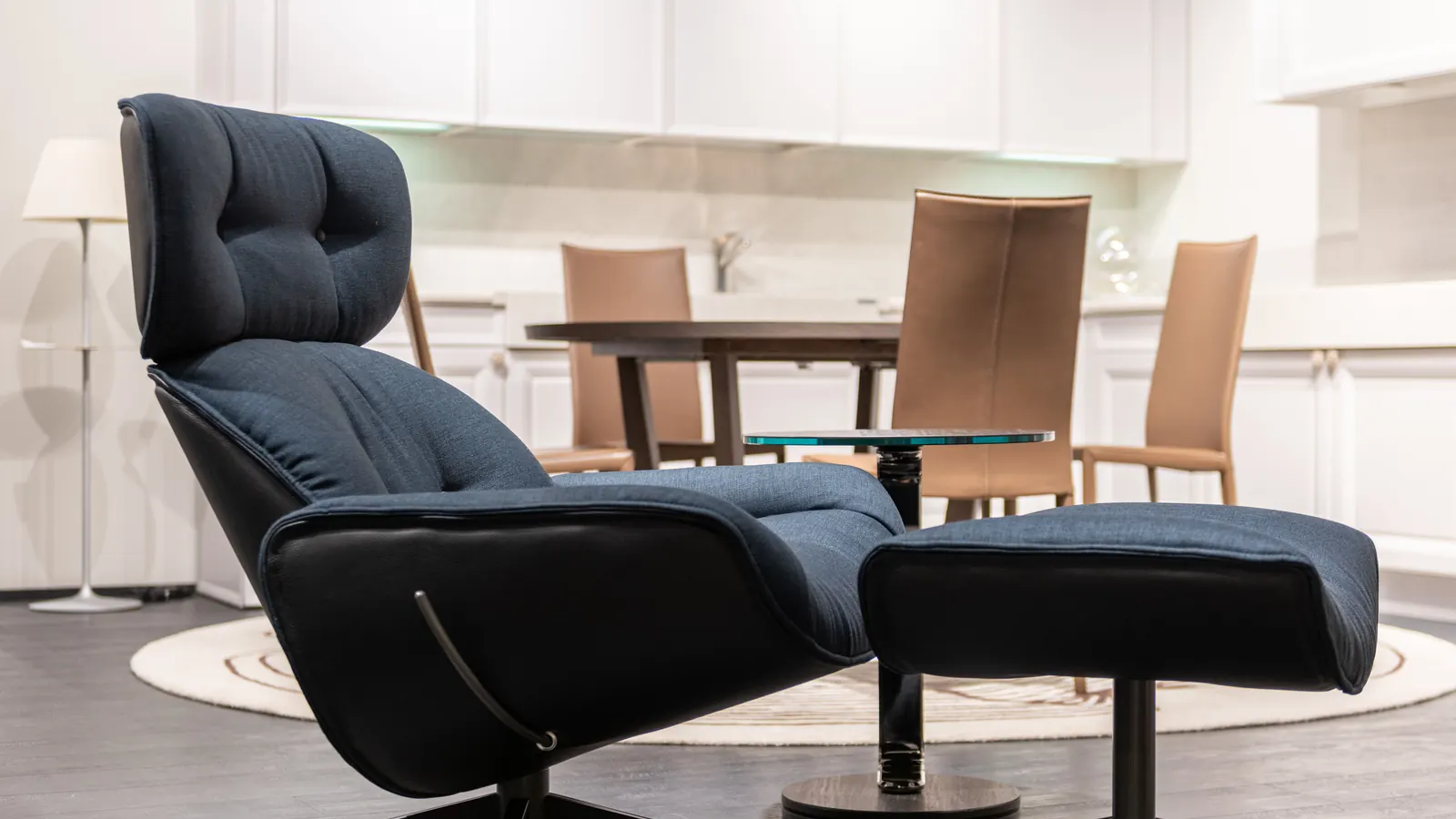
Reading upright with a footrest, leaning back to watch a screen and stretching out on a chaise need different chairs. Start with the position you want, then the footprint around it.
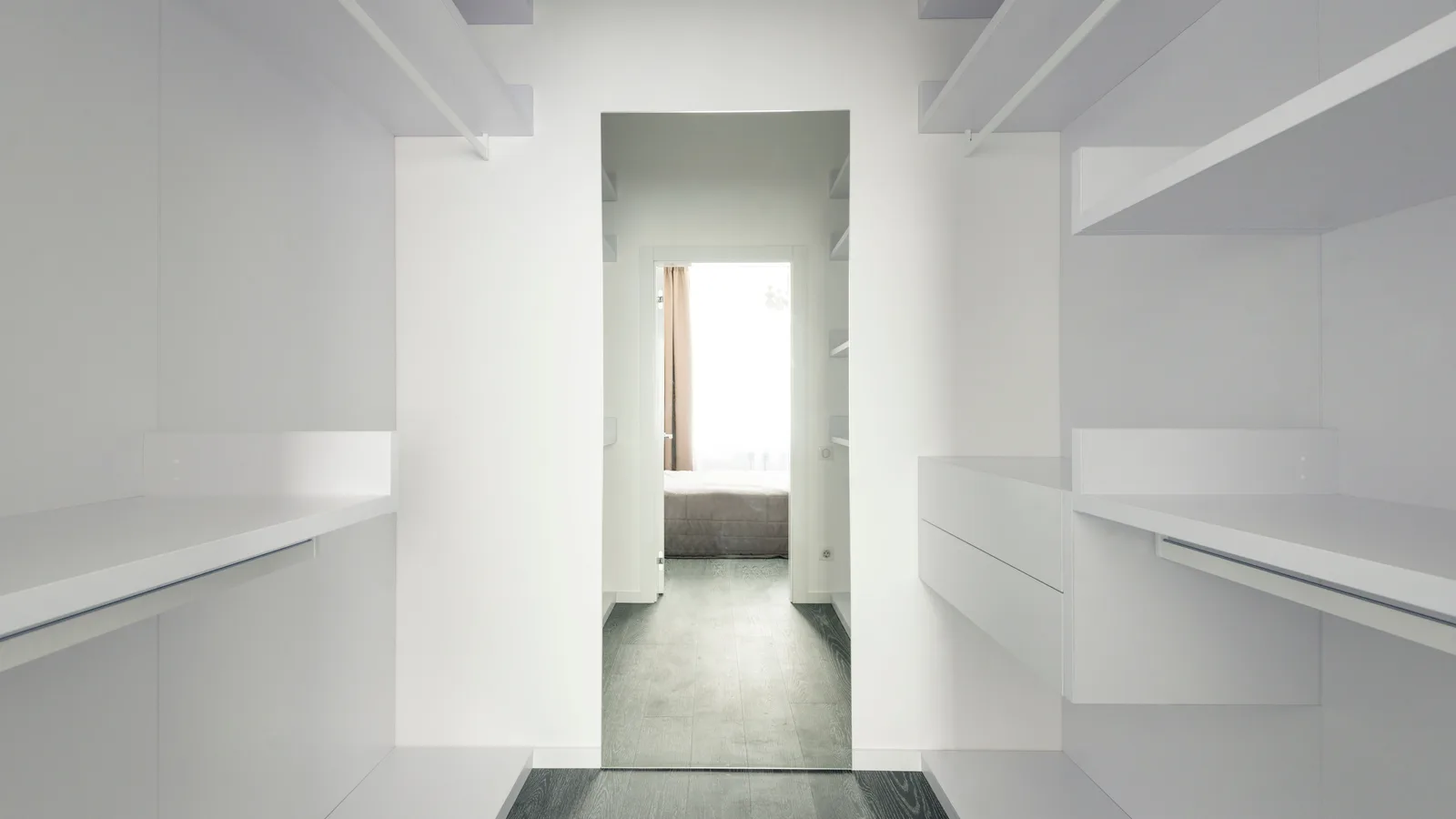
A walk-in feels luxurious when getting dressed is easy, not when it has an island. Inventory the wardrobe, compare three layouts, then choose finishes and light as a small group.
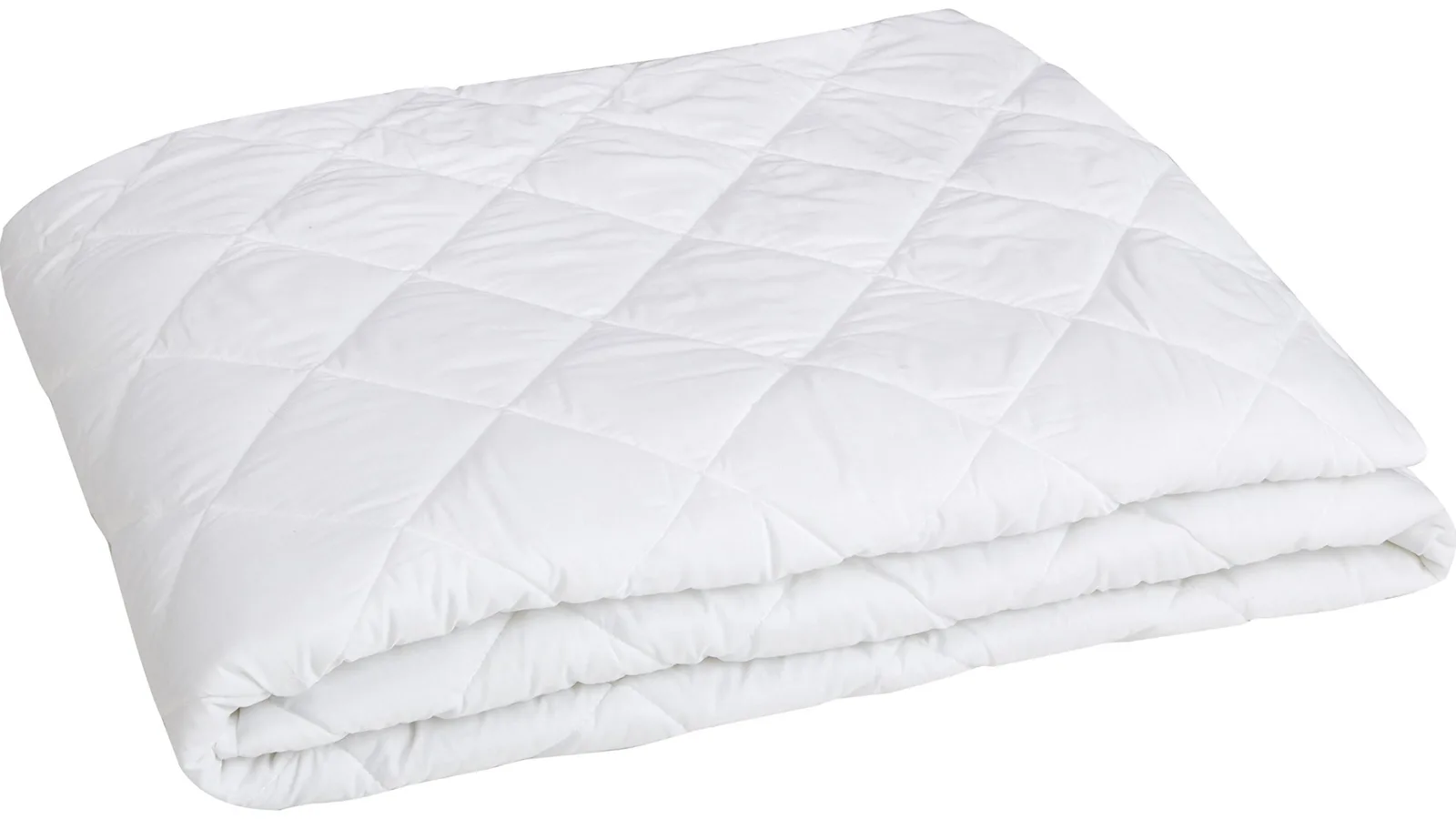
Some pads cushion, some protect and some do both, and the name rarely says which. Read the shell, fill and skirt separately, then measure the pocket depth and plan the laundry.
Name the change you want before buying the thickest topper: softer, different feel or a washable layer. Three researched constructions, compared by fit, care and attachment.
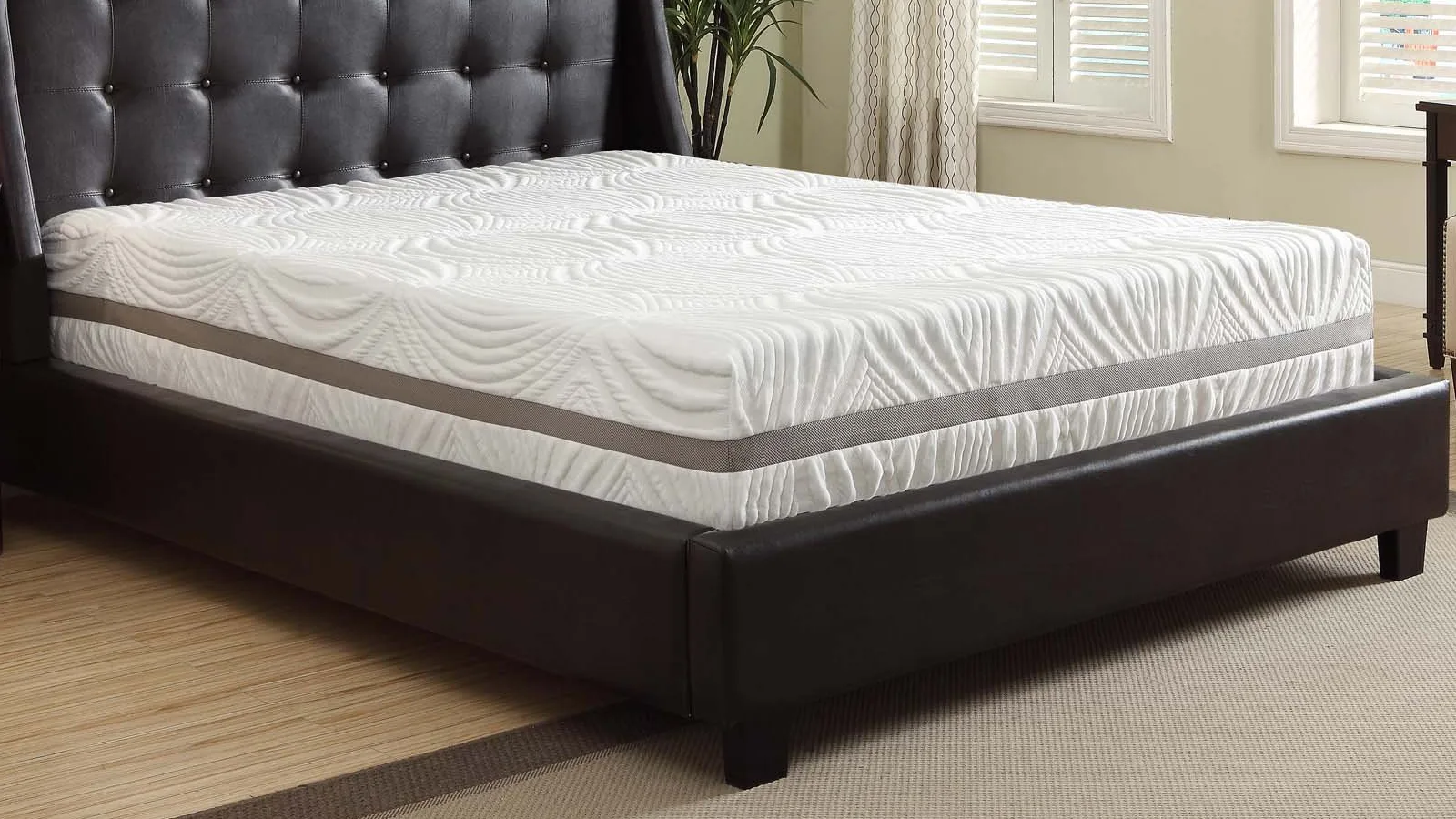
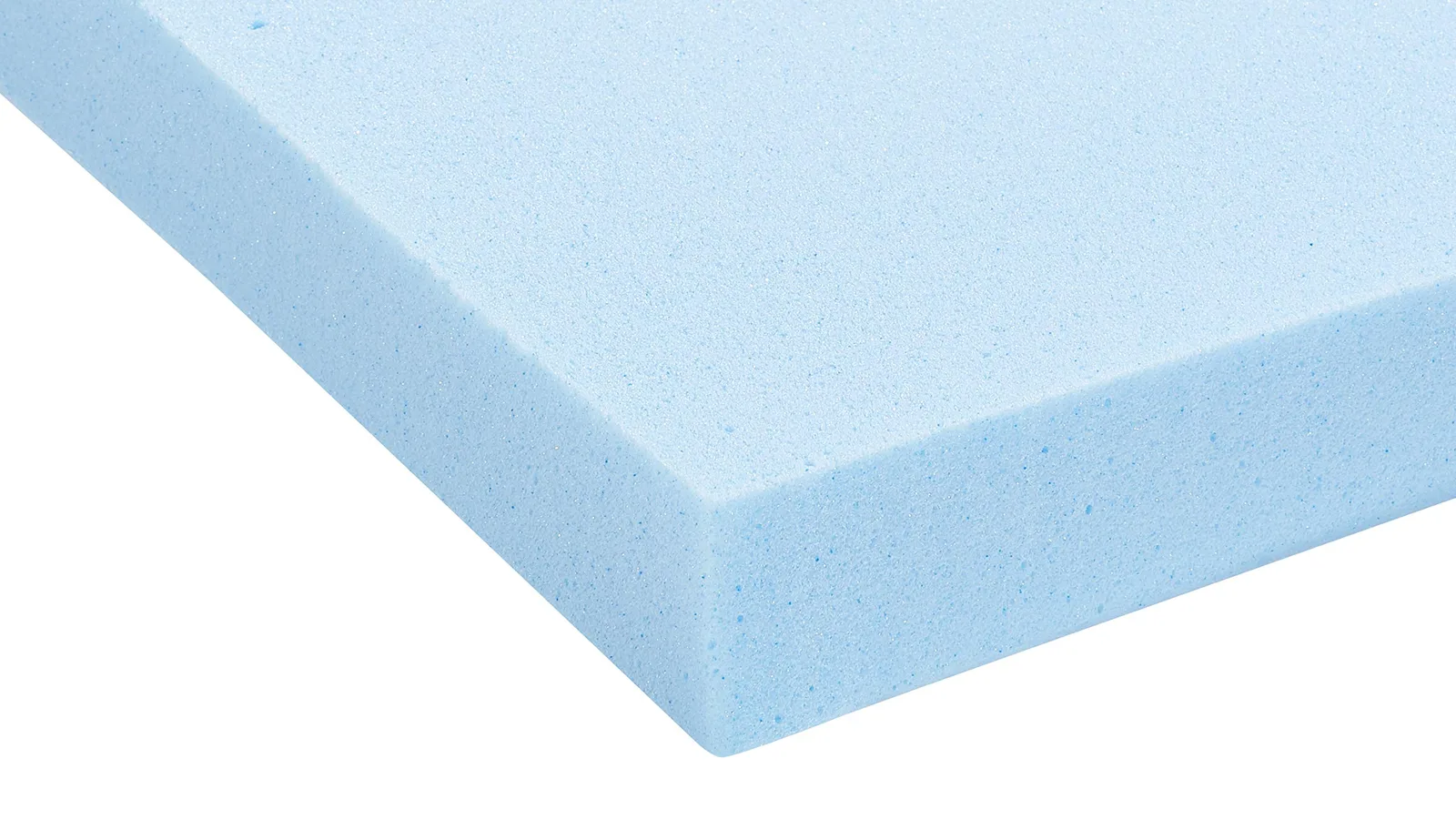
A memory foam mattress is rarely all memory foam. Read it from top to bottom, keep density and firmness apart and check the base and bed height it needs.
Do you want a slower response when you move, more cushion over a firm bed or a removable layer? Pick the change first, then read the layers, density and cooling claims.